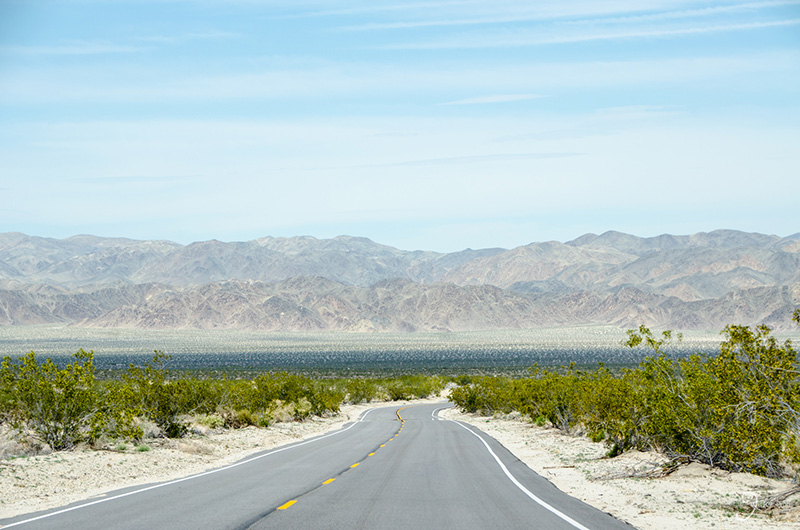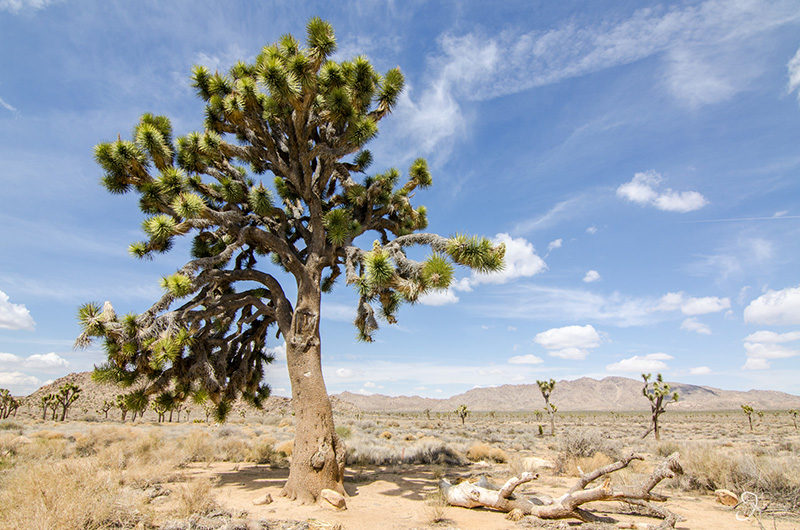
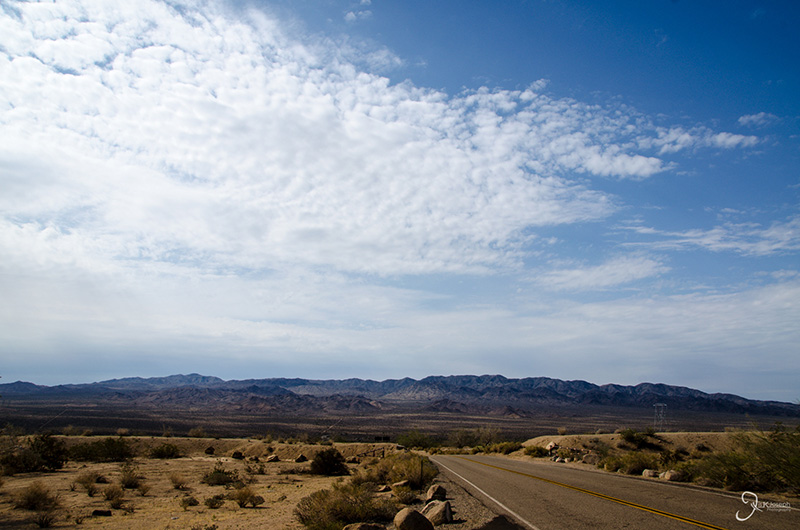
On my first day after leaving Phoenix, my goal was to get to LA by late afternoon to watch the sunset at Griffith Observatory. The drive was only five or six hours, and upon my search for something to see between the two major cities came Joshua Tree National Park, where two distinct deserts meet, the higher elevated Mojave Desert, and the lower Colorado Desert. The park is named after a ditinct tree from the yuca family, nicknamed the Joshua Tree because it reminded the regions early mormon settlers of a Biblical story in which Joshua reaches his hands up to the sky in prayer.

All packed and ready to leave from my temporary home in Chandler, Arizona.

The Colorado River as seen from the Arizona side.

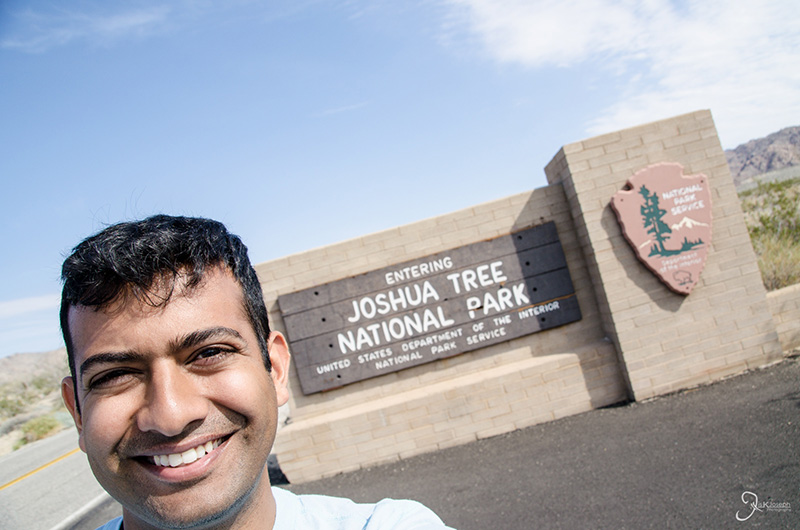
Entering Joshua Tree National Park.
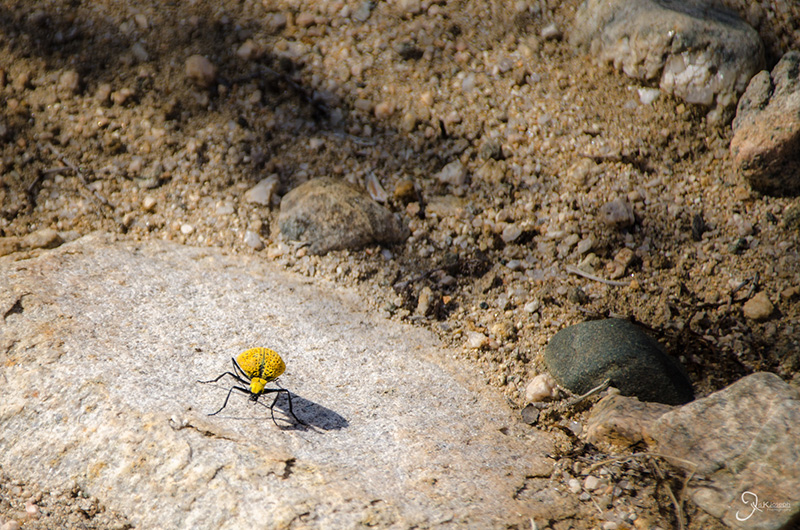
An odd critter colored in bright yellow that must translate to dangerous.
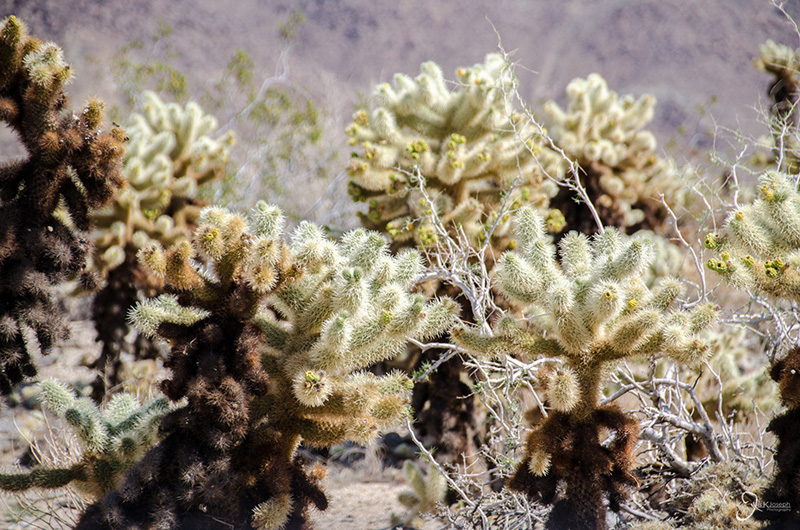
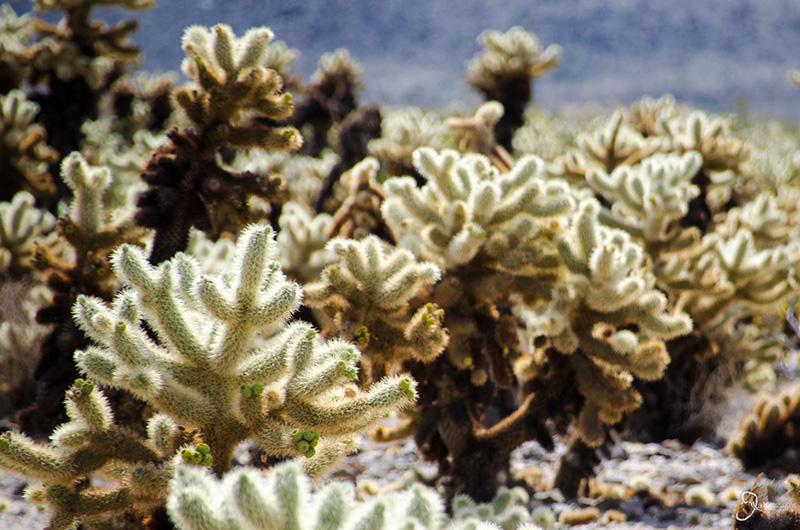
Cholla cactus, also known as jumping cactus because its branches "jump" off the plant as the actually fall off.
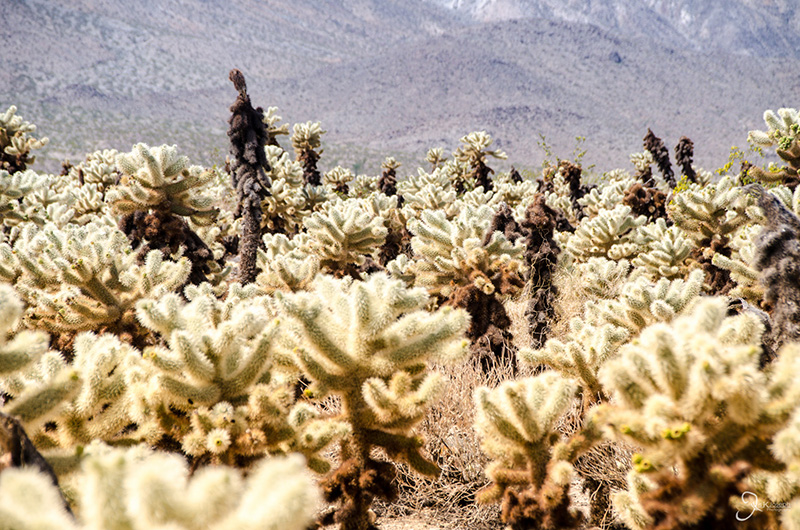
The Cholla cactus garden in Joshua Tree National Park. This is just one of several natural "gardens" where there are large expanses of one species of plant.
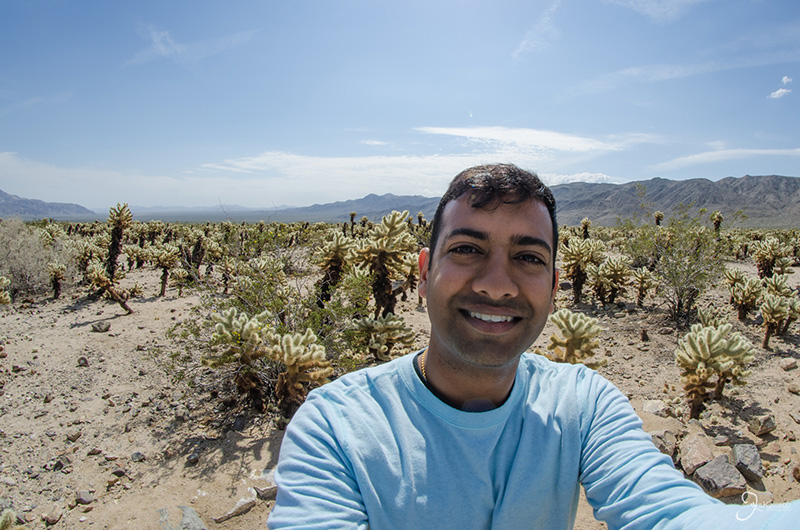
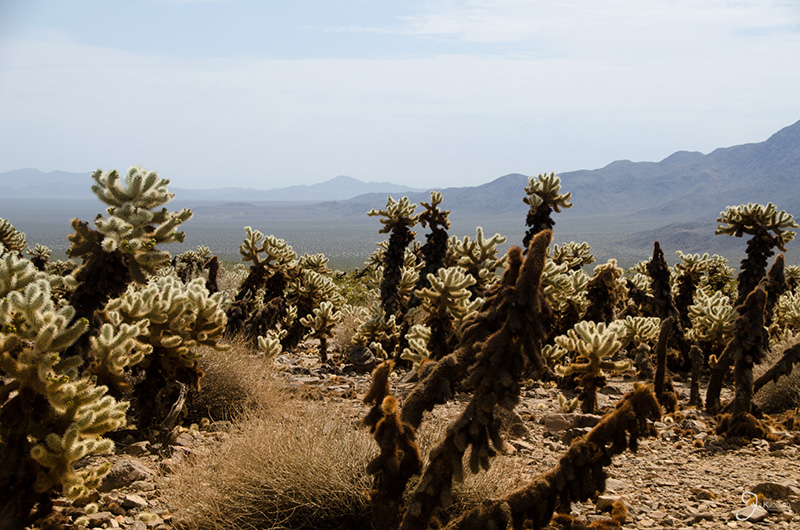
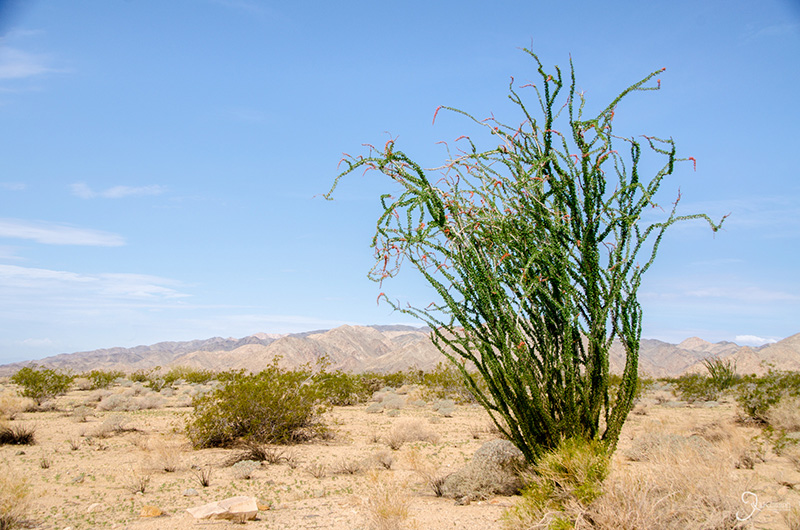
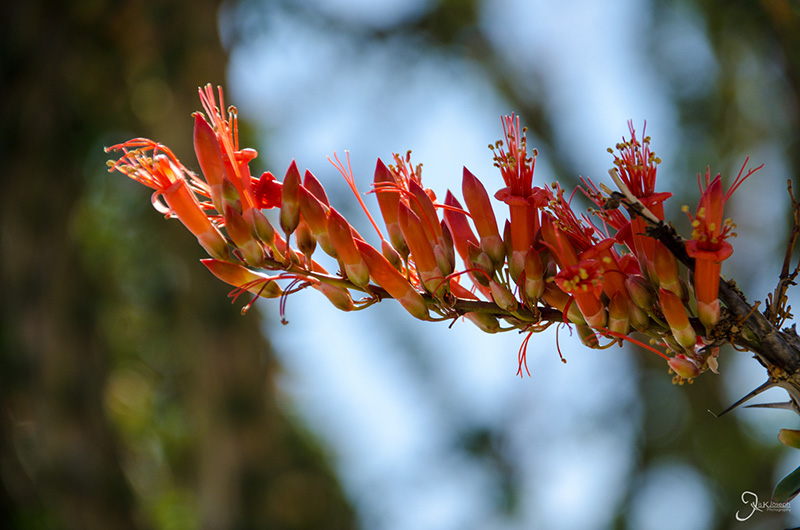
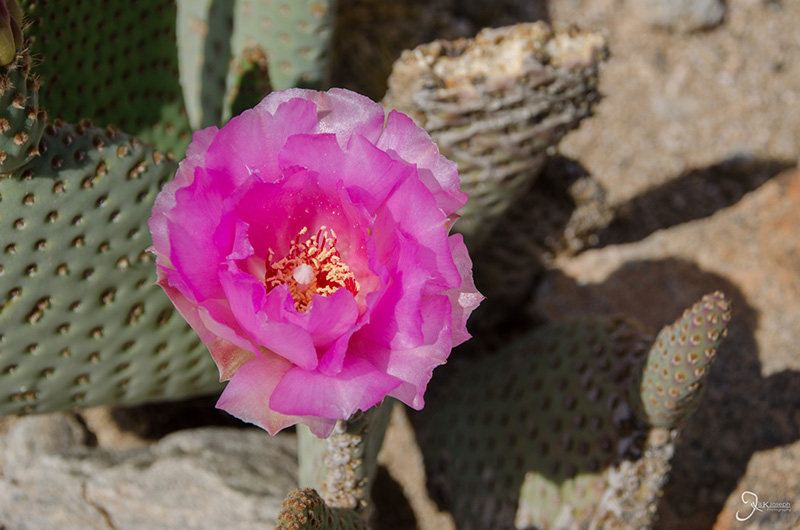
After a relatively warm winter in the west and being that the official start of spring was a few days away, many cactus were begining to bloom.
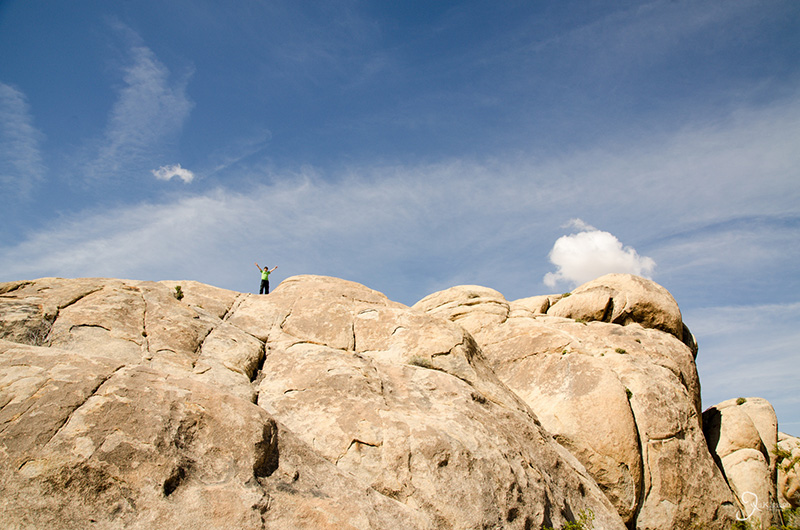
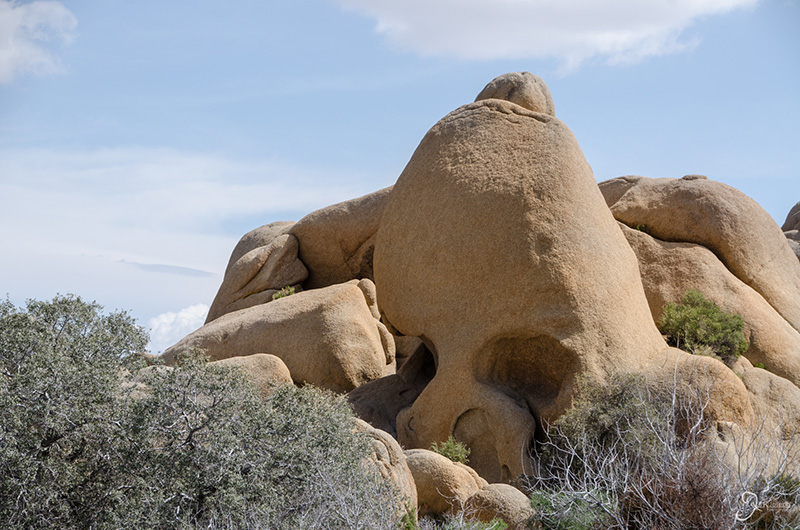
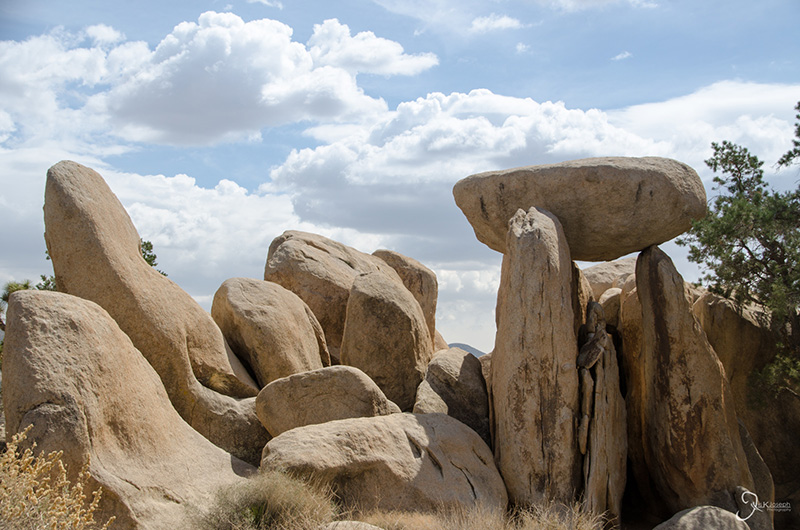
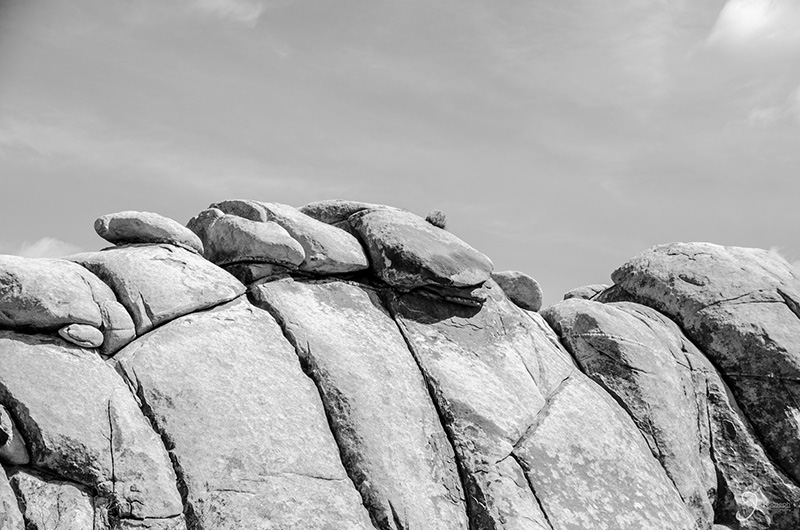
Joshua Tree National Park is known for its joshua trees, but al its collection of isolated smooth rock formations.
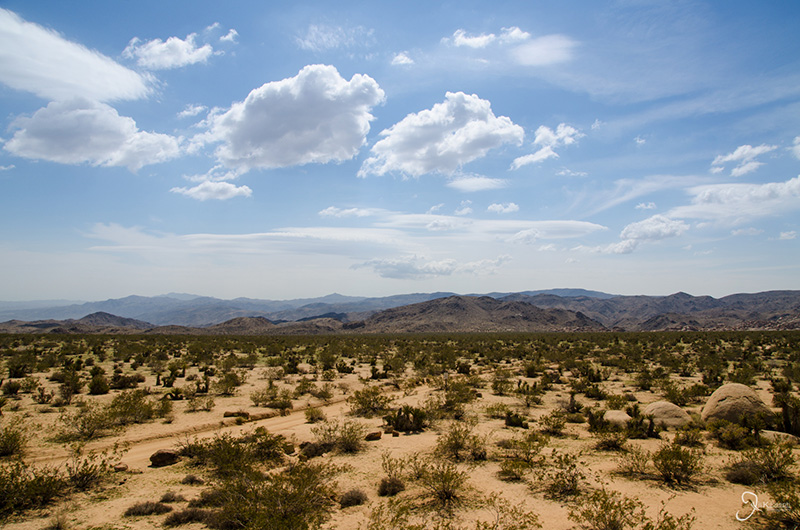
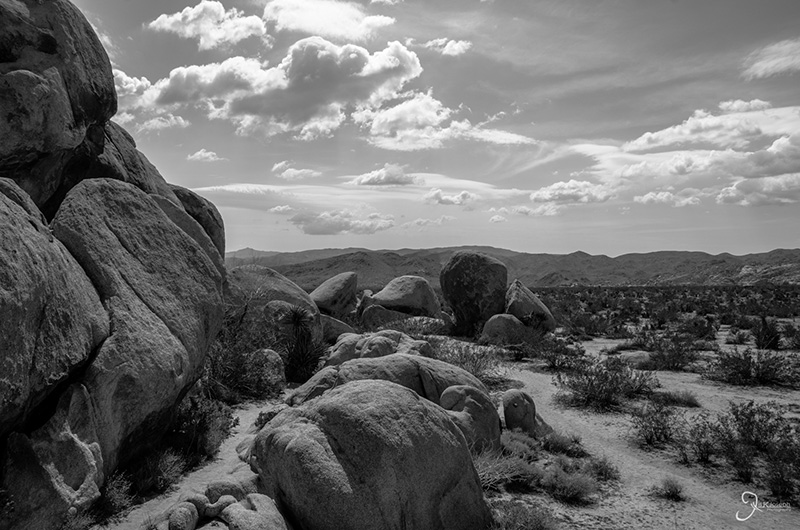
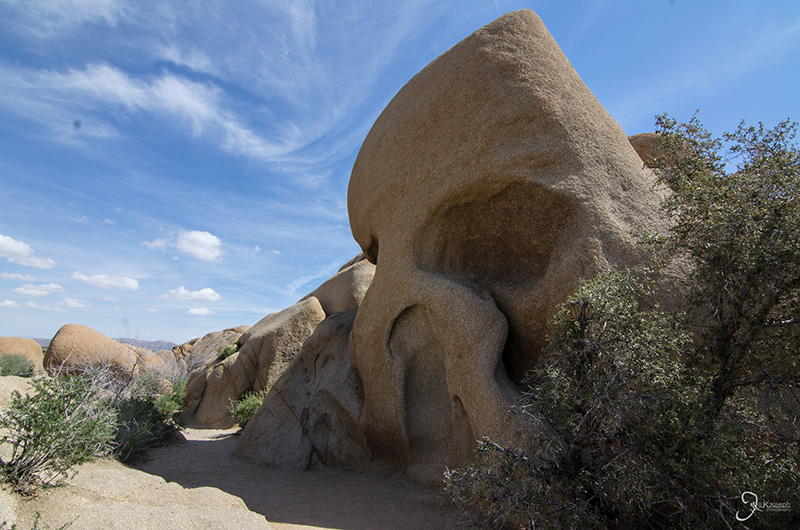
The most iconic landmark in the park, skull rock.
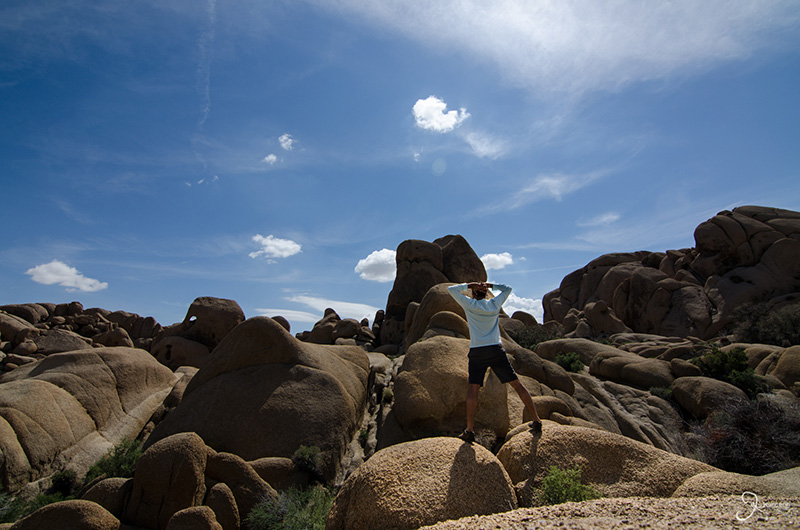
A short hike through the rocky landscape behind skull rock.
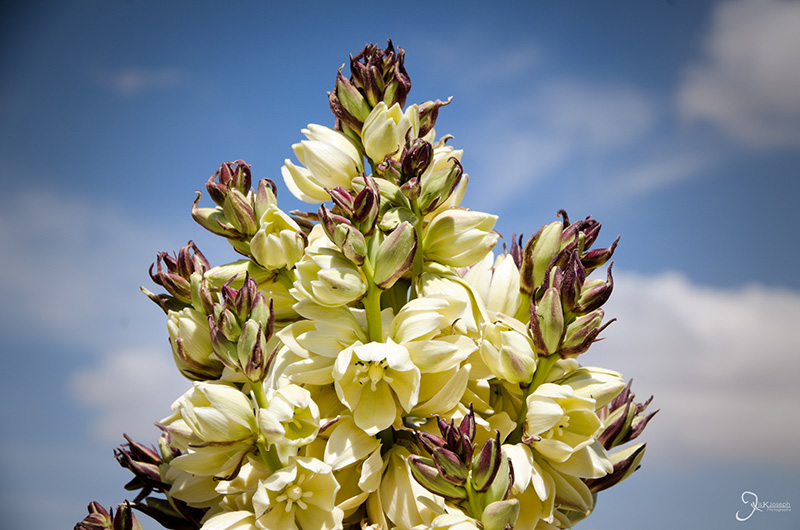
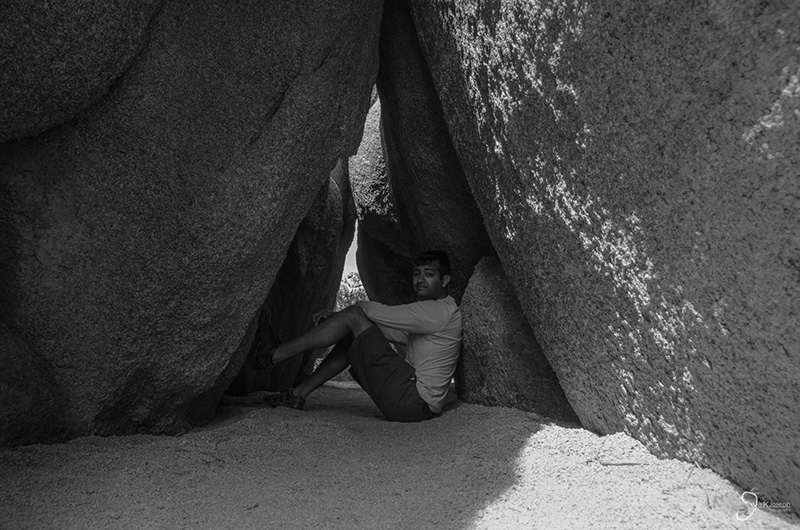
Skull rock.
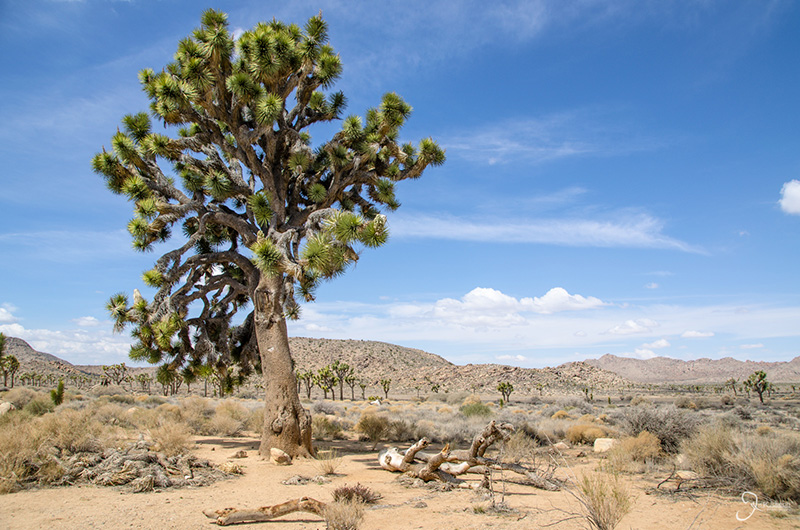
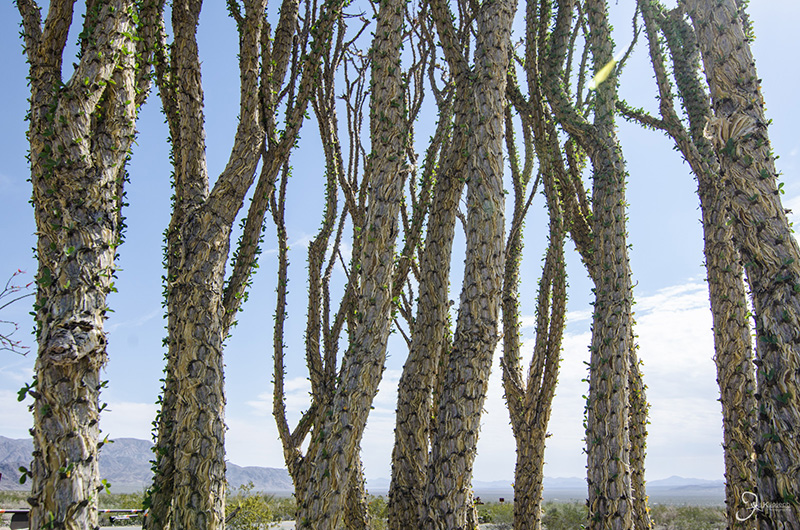
First sight of a Joshua Tree.
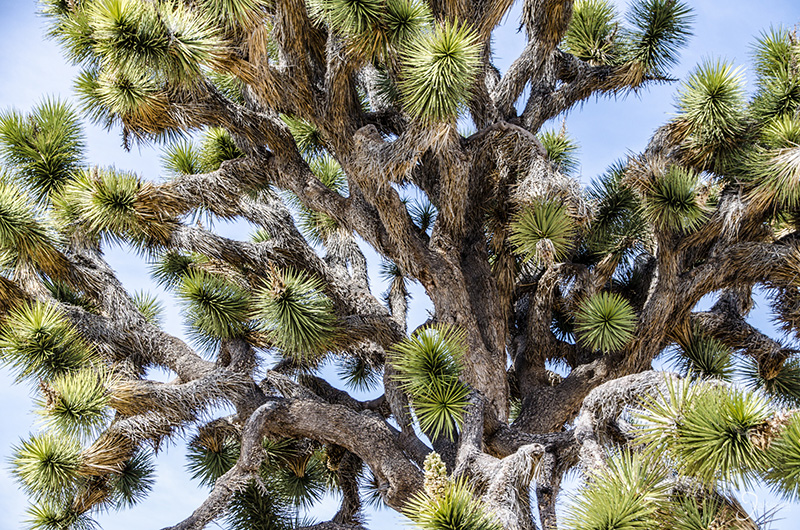
How the?
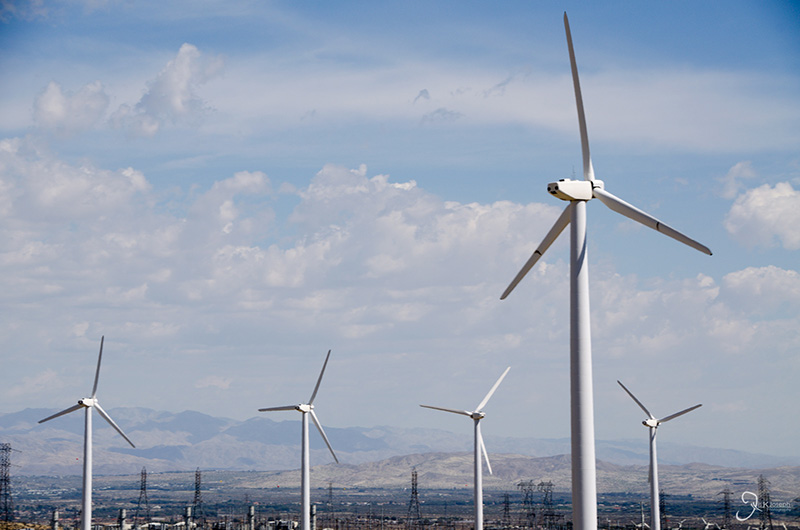
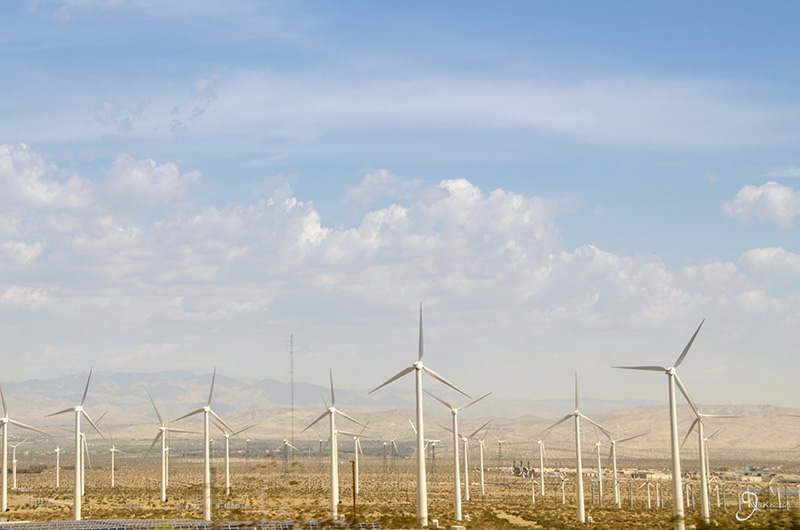
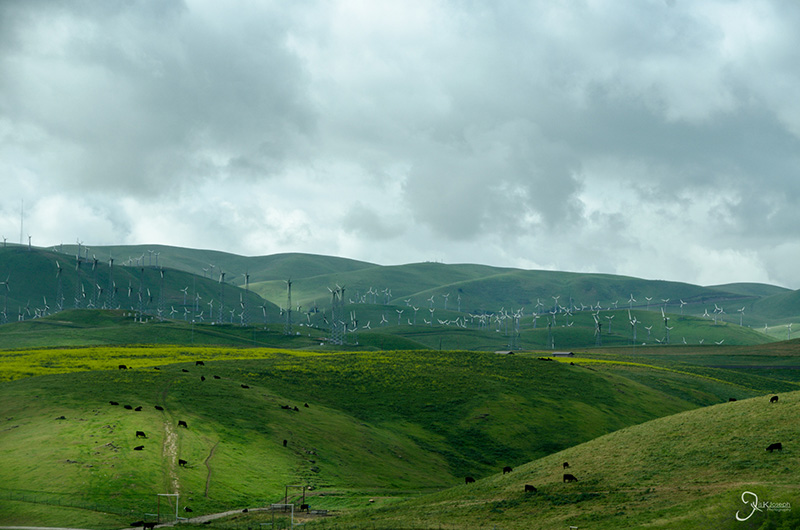
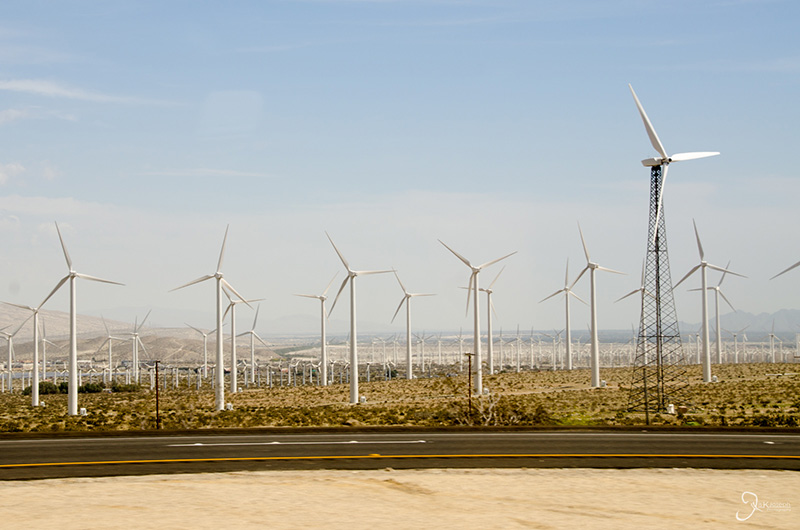
The largest and most dense windfarm I saw on my trip, in Palm Springs California.
I had originally planned to visit Santa Monica Pier later on my trip, but I had a couple extra hours to spare. Unfortunately, LA traffic fooled me and shortened my stay in Santa Monica to just under an hour.

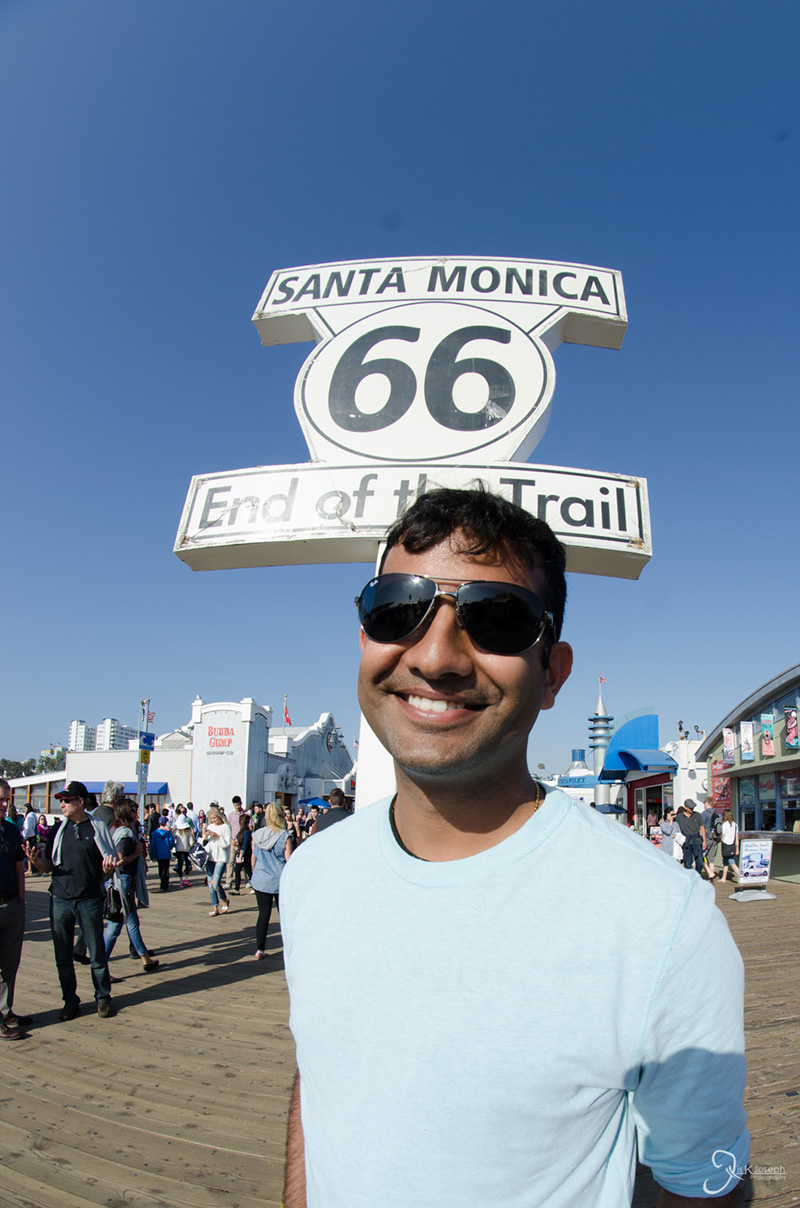
The end of the famous Route 66. Despite being an iconic route for American road trips, I was only on this route for only a few short miles on my trip in Arizona.

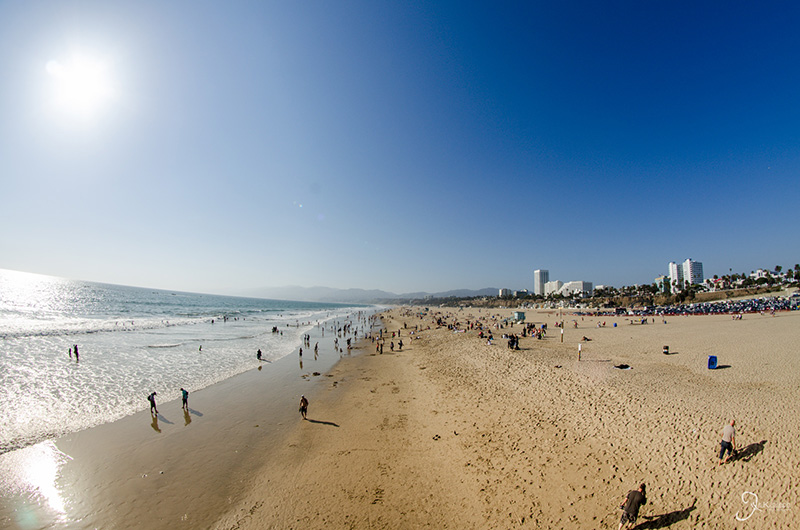
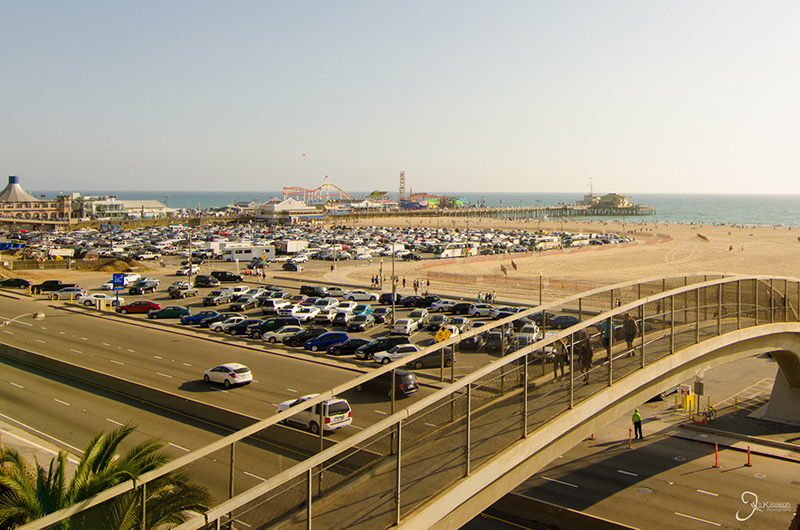
Santa Monica Beach as seen from the pier.

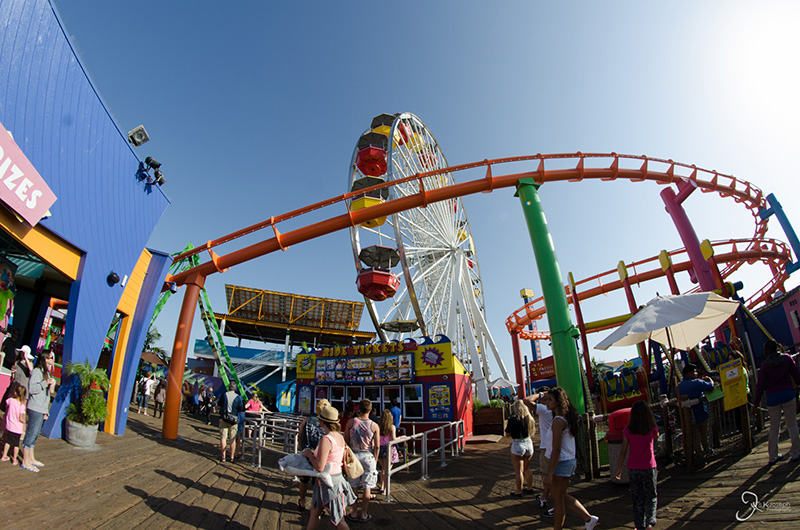
Santa Monica Pier' famous carnival rides.

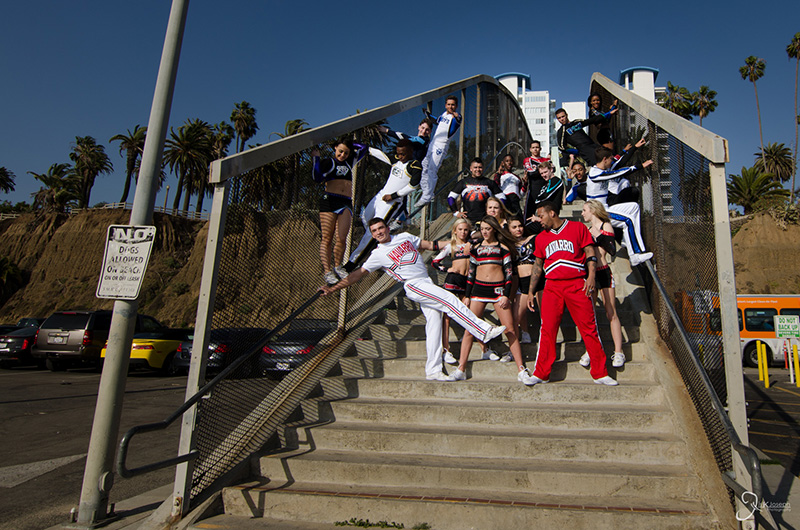
A team of cheerleaders were getting a group photo picture taken by some professionals.

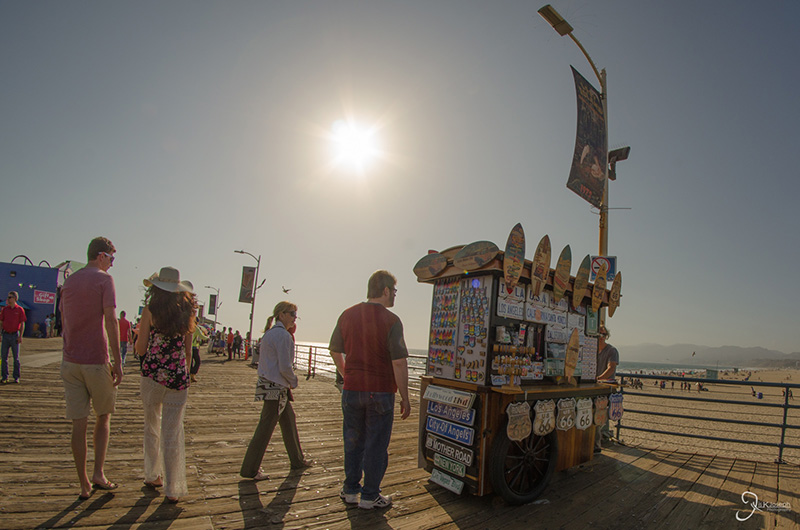
Santa Monica Pier

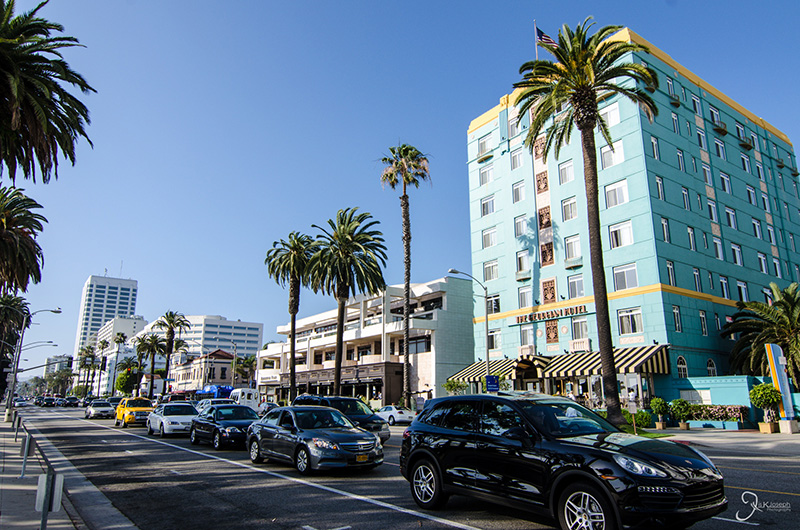
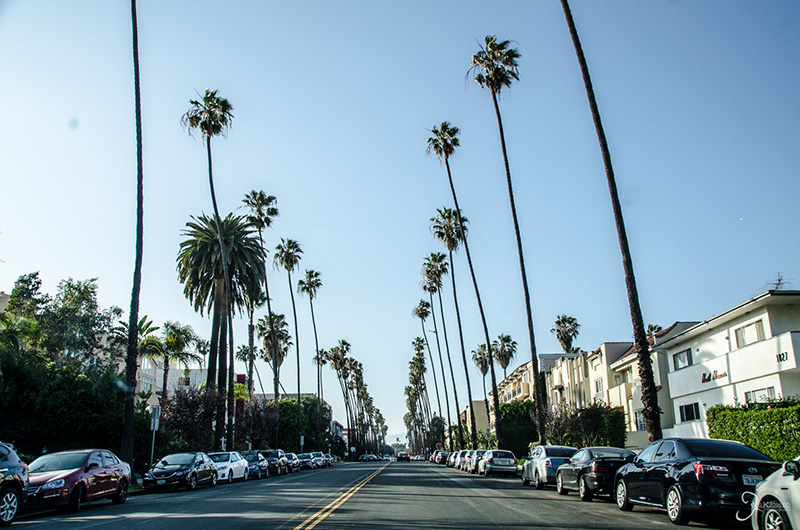
LA's tall, skimpy, palms that line its local streets.

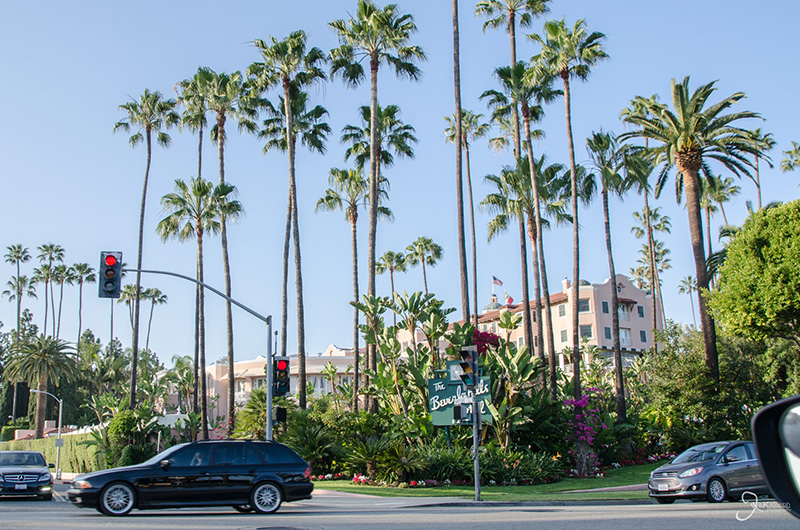
The famous Beverly Hills Hotel.
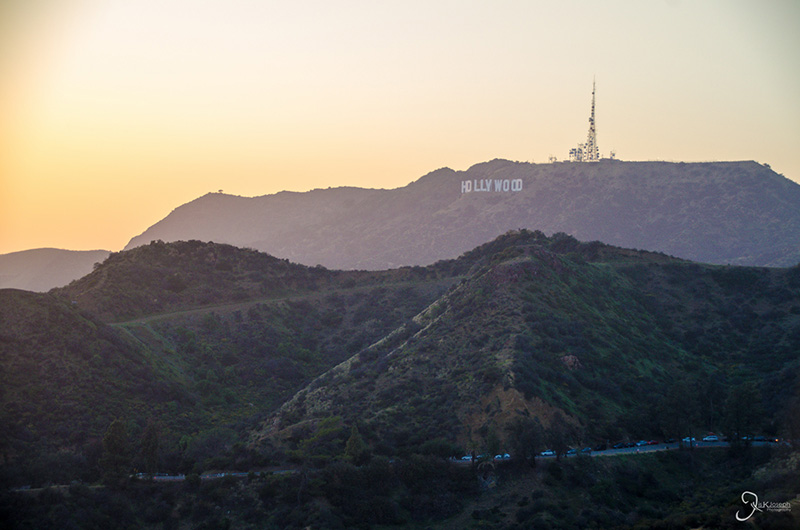
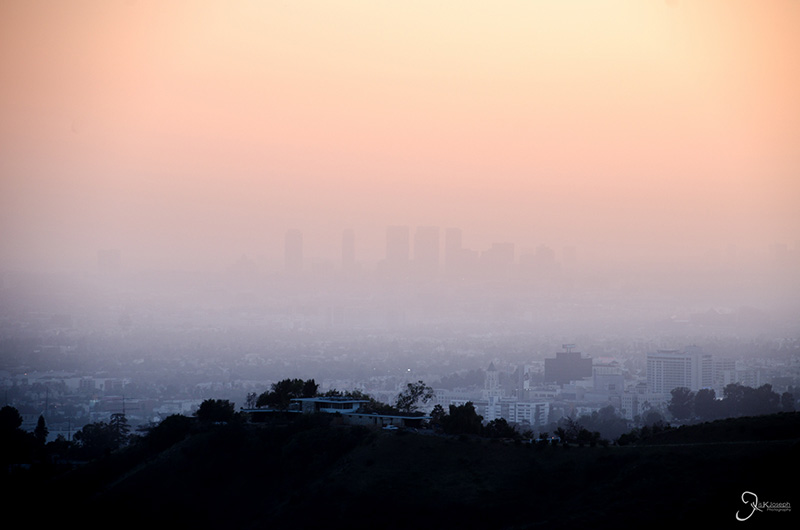
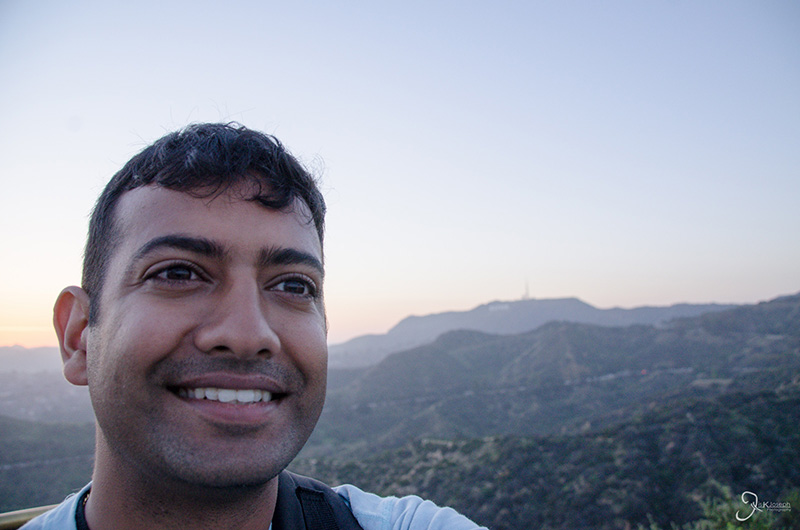
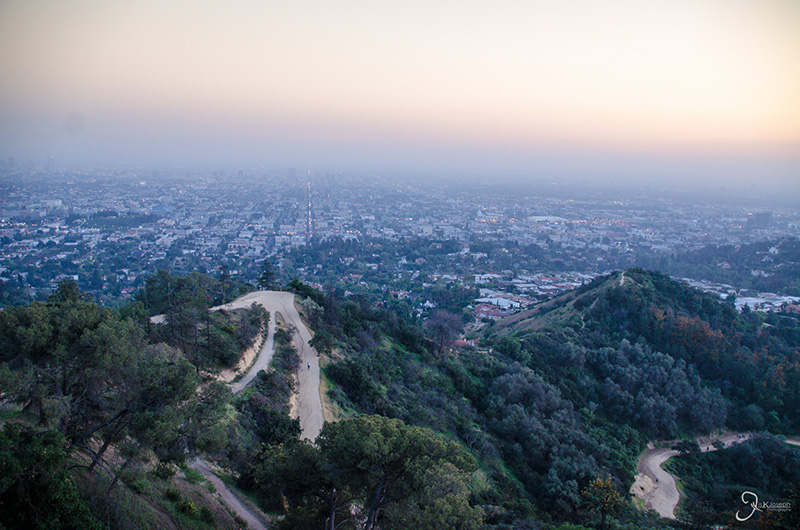
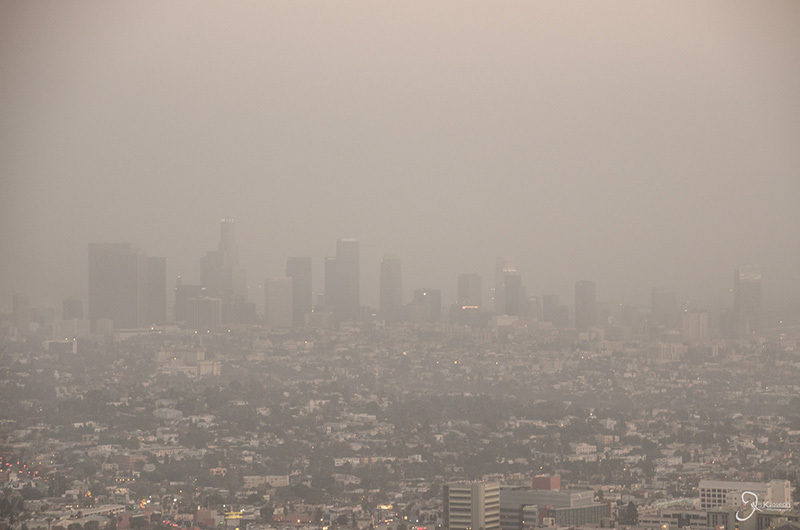
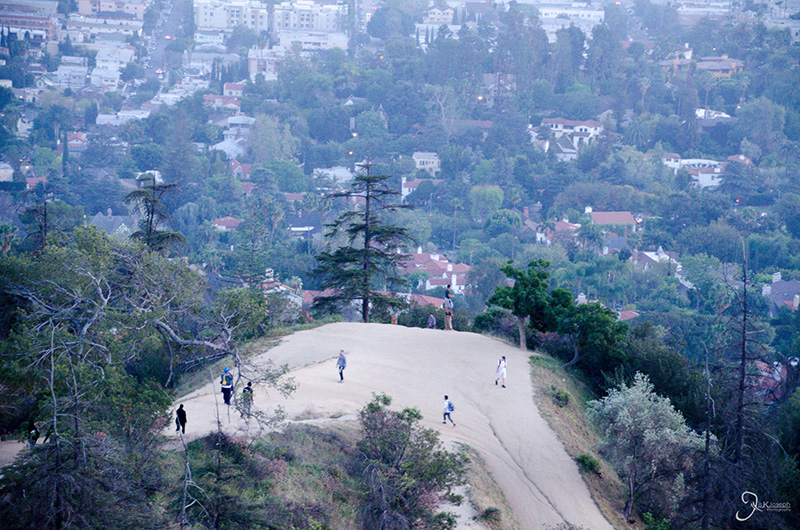
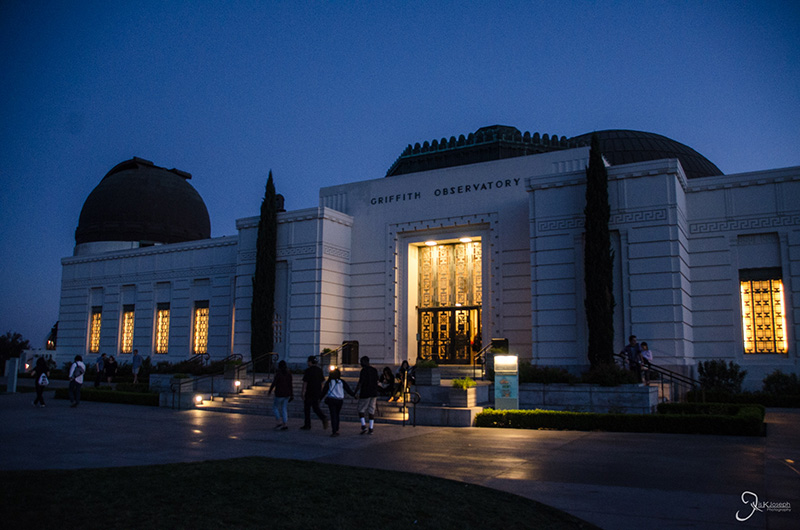
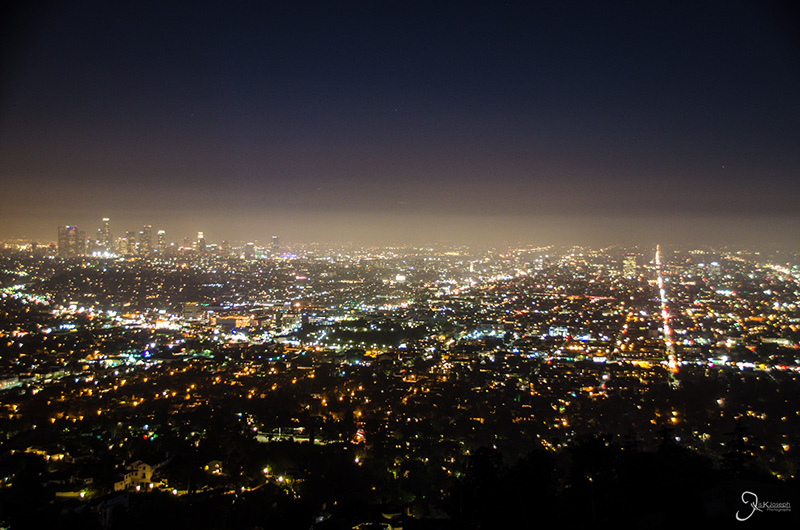
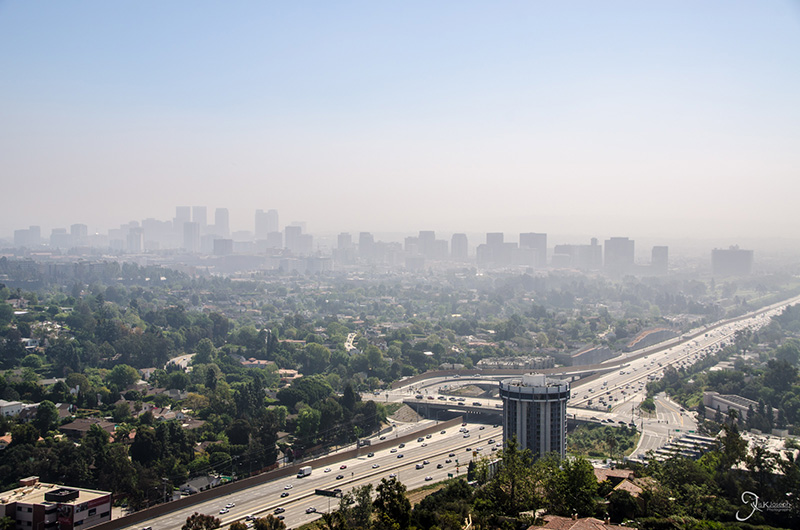
Within the last year I had visited Hollywood two other times, but I came back a third time to photograph one of California's beautiful sunsets with my DSLR from the Griffith Observatory. I was quickly disappointed by the thick haze of pollution that blocked off my view.

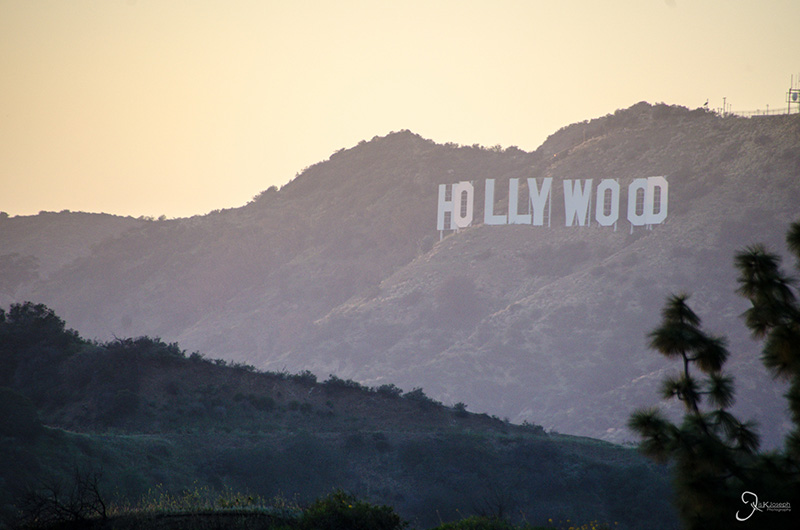
Iconic.

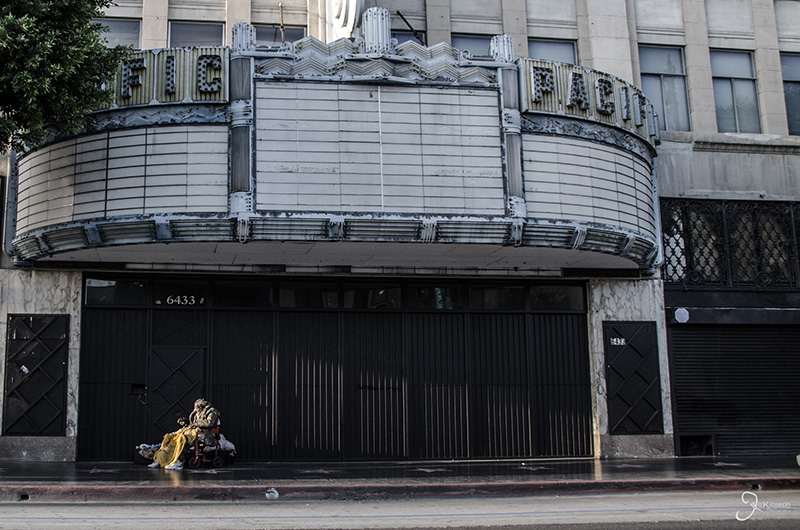
This is what is left from the legendary glam of Hollywood.

I was most suprised to actually see how polluted LA was. This photo of nearby Santa Monica's skyline was covered in a digusting haze. It made me feel like I had cancer just by taking a photo of it.

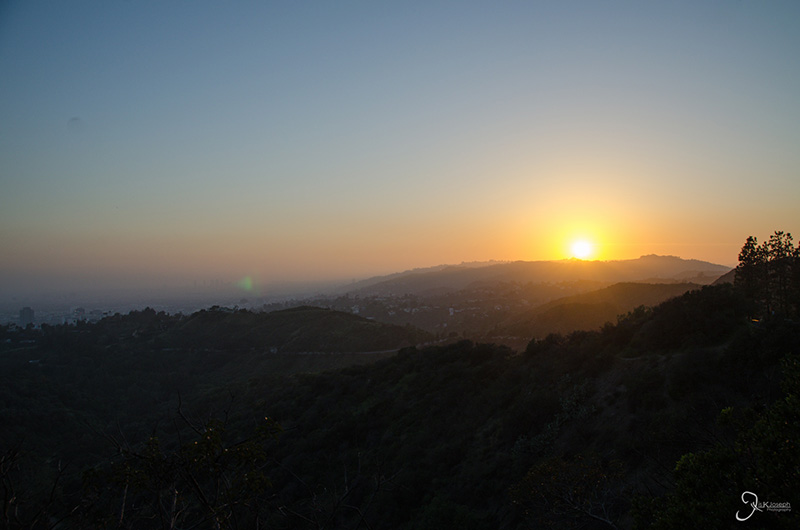
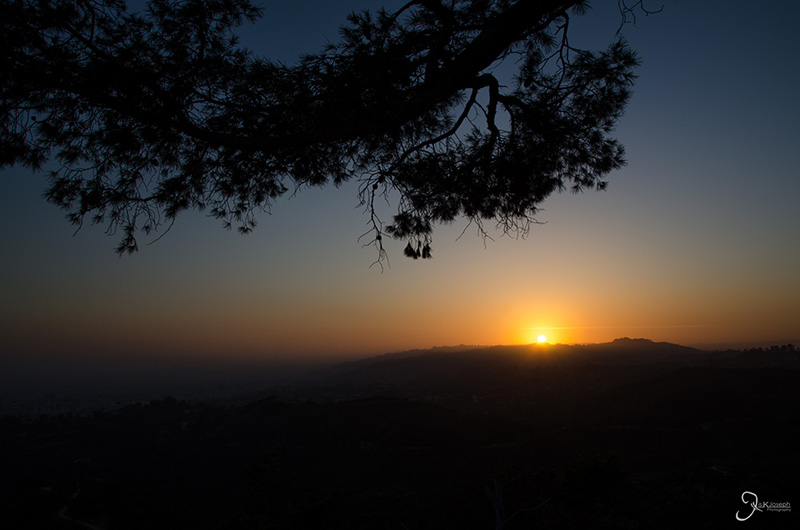
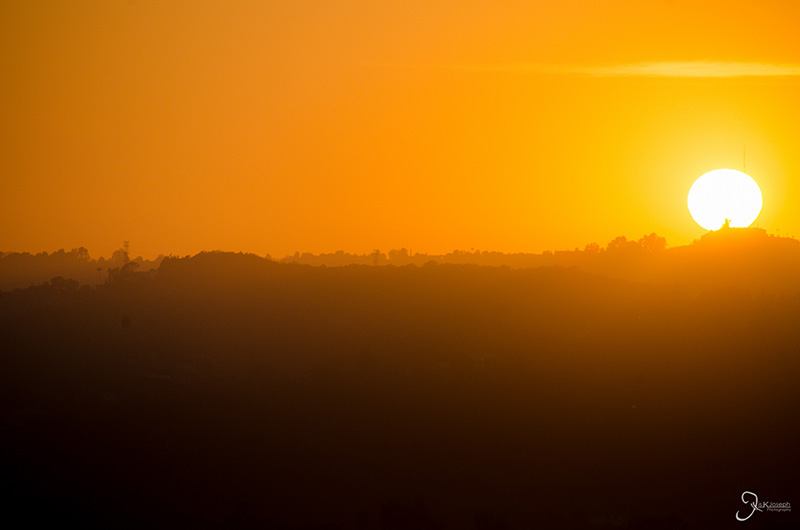
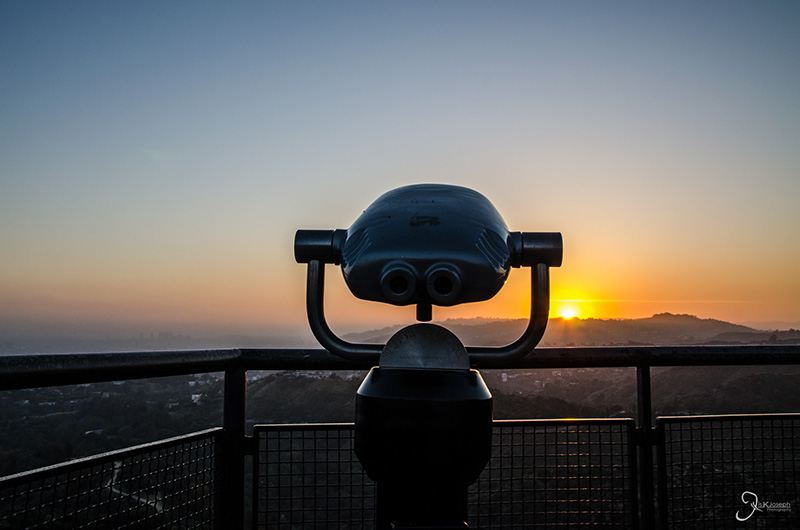
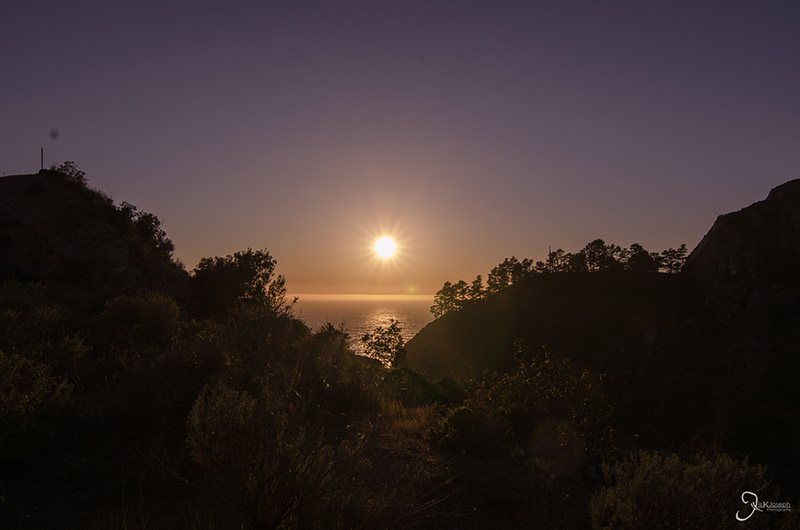
Observing the sunset from Griffith Observatory.

The LA skyline is somewhere there.

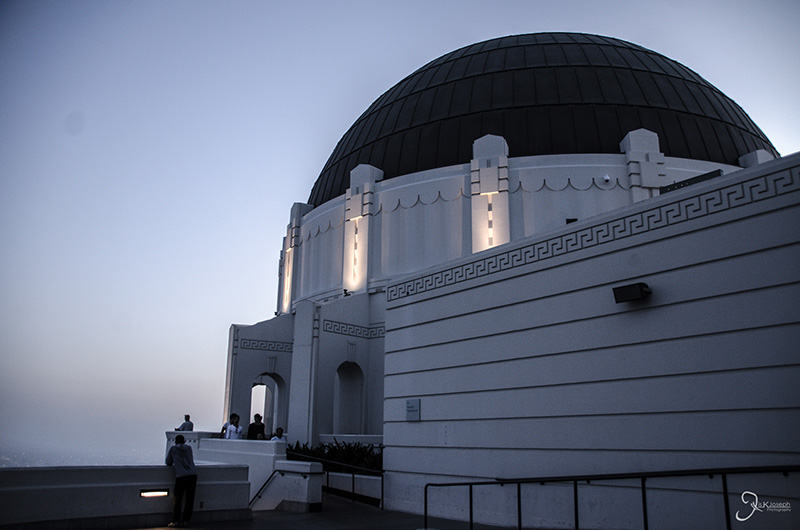
The main observatory deck of the Griffith Observatory.

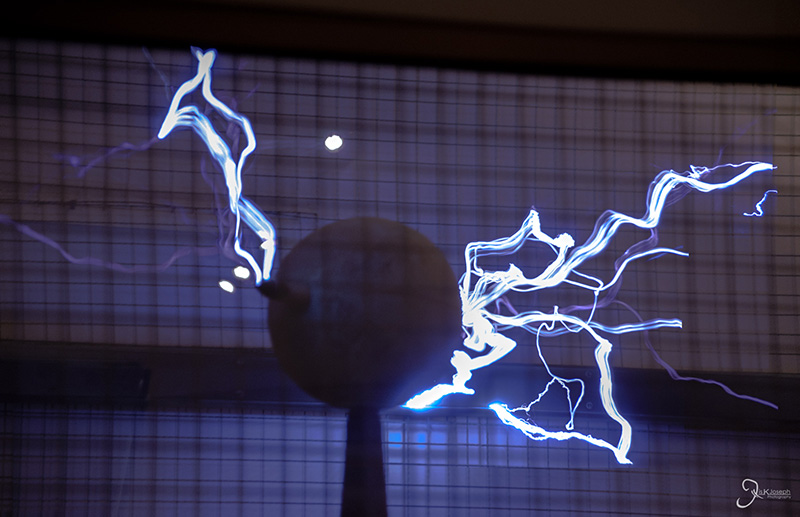
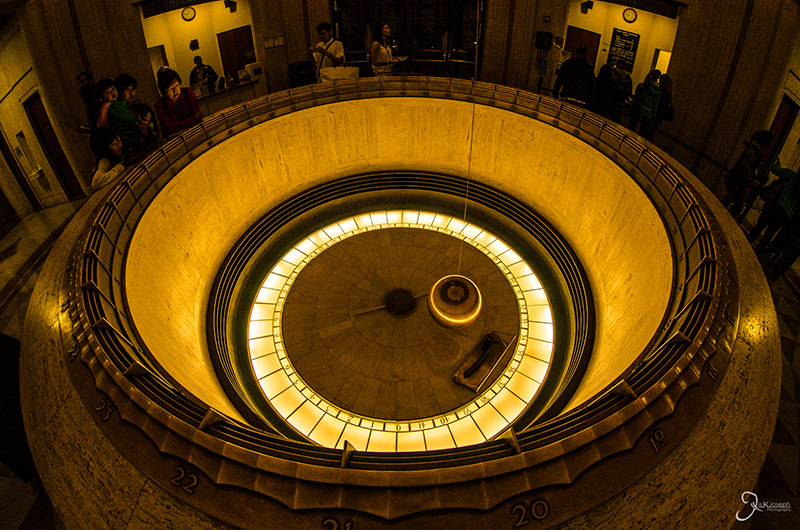
A tesla coil on display within the observatory.

This is kind of the shot I wanted: the LA skyline at night.
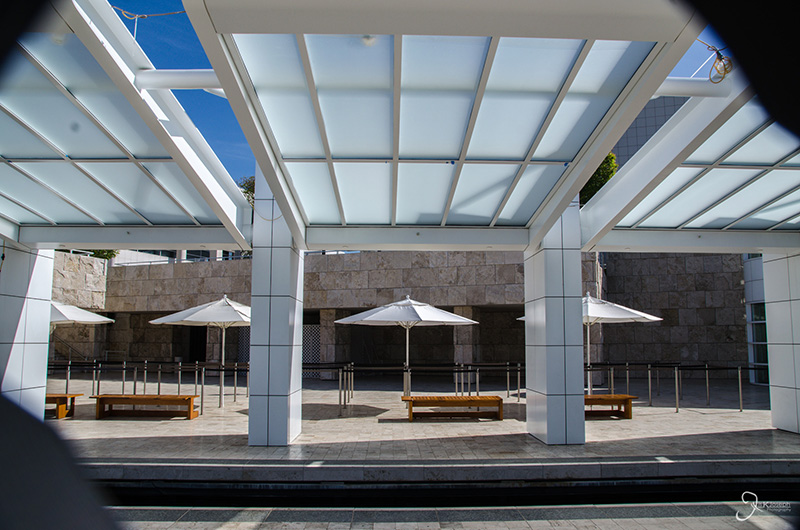
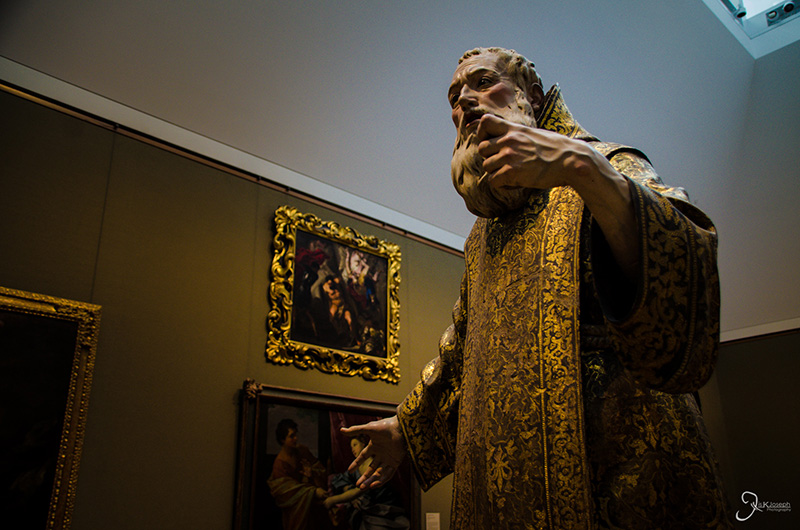
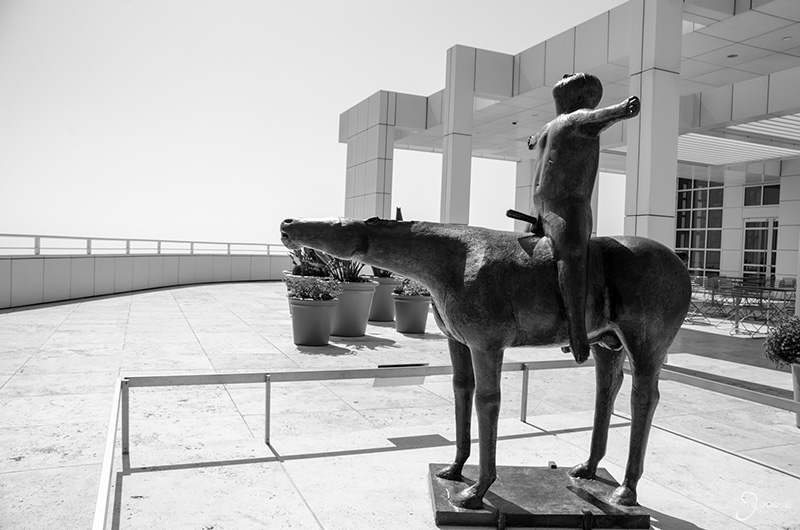
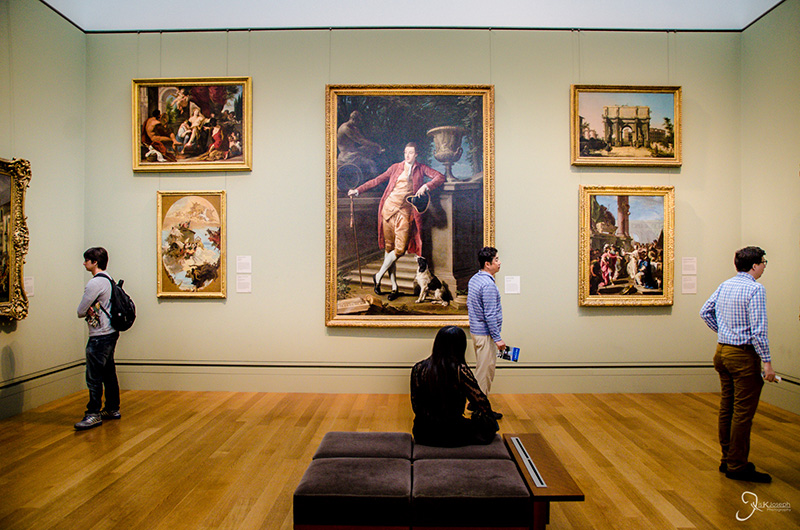
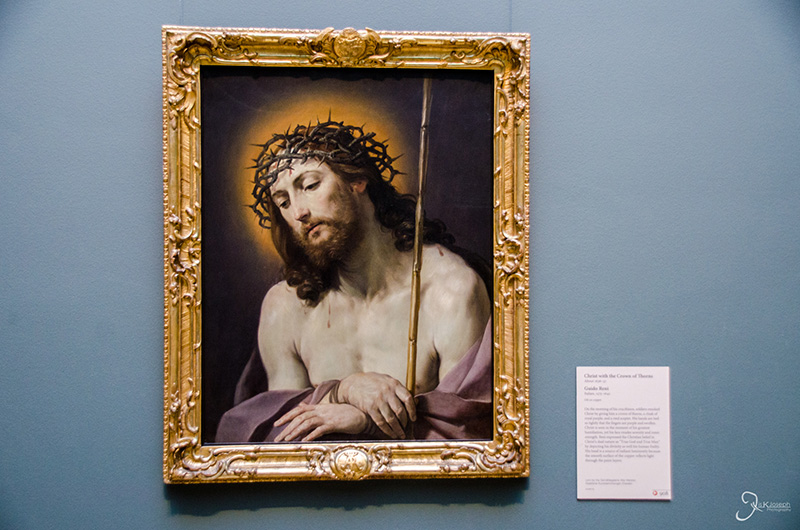
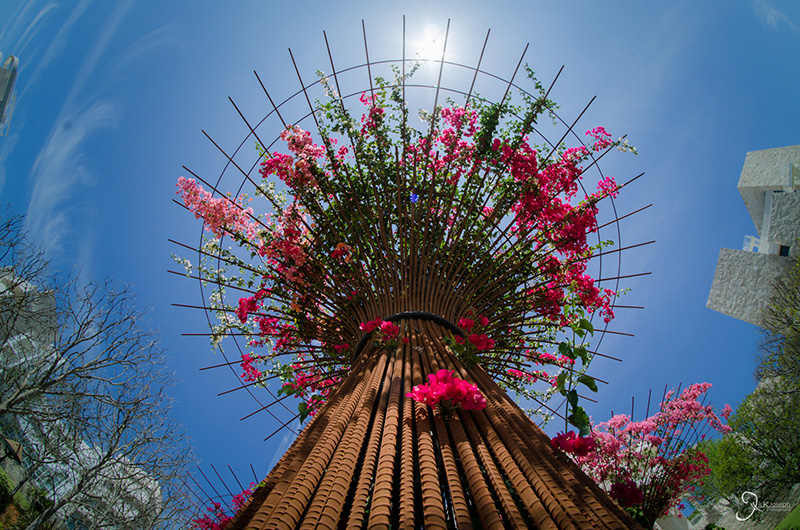
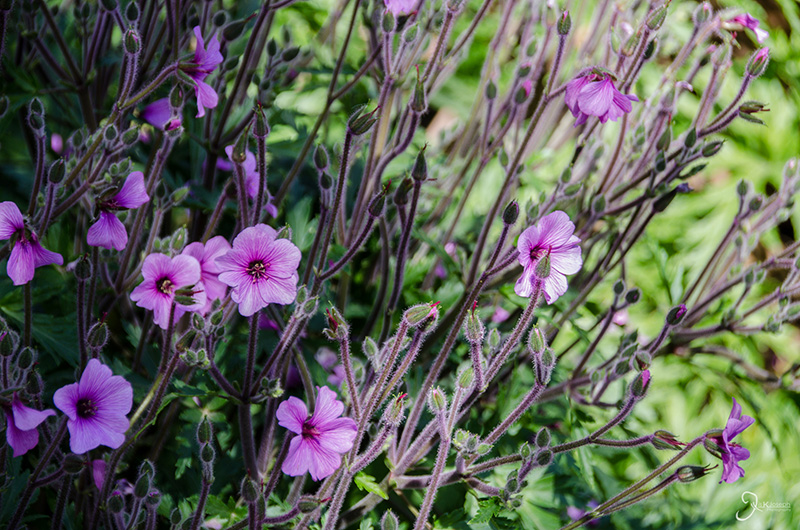
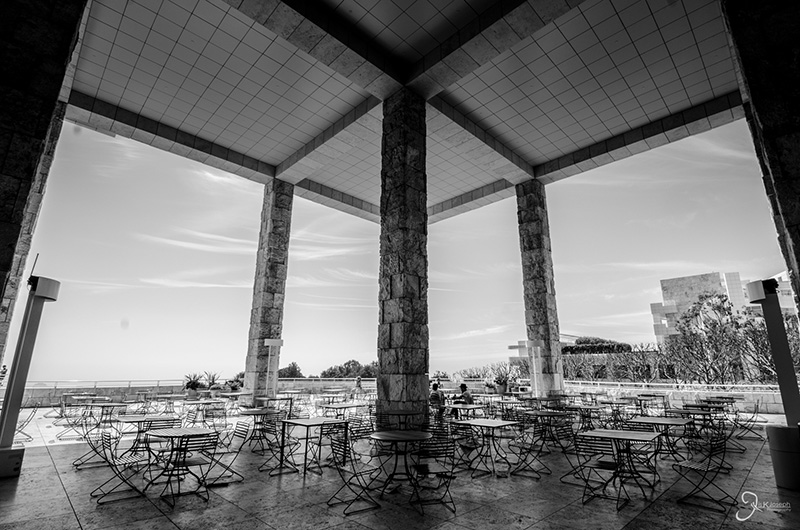
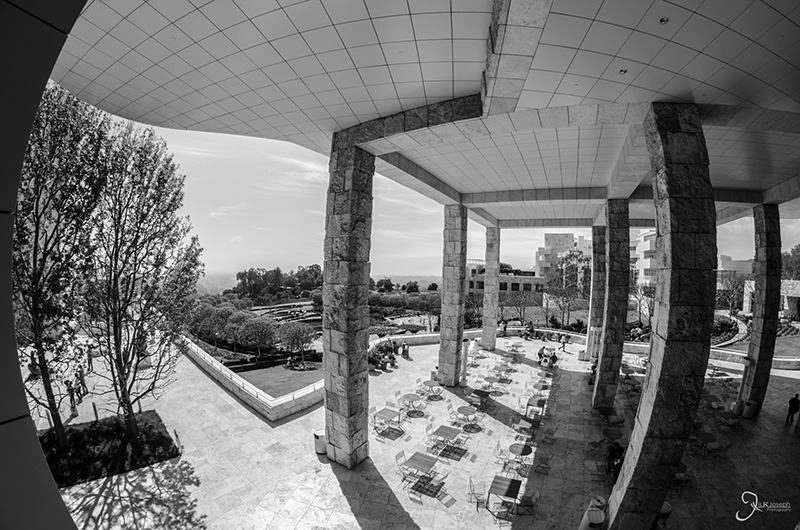
The Getty Museum is one of the most visited museums in the world. Although it didn't house the most well known collection in the world, the museum itself is an architectural marvel. Situated on top of a mountain that overlooks the LA valley, the white marble buildings are surrounded by beautiful gardens that were in the full bloom of spring.

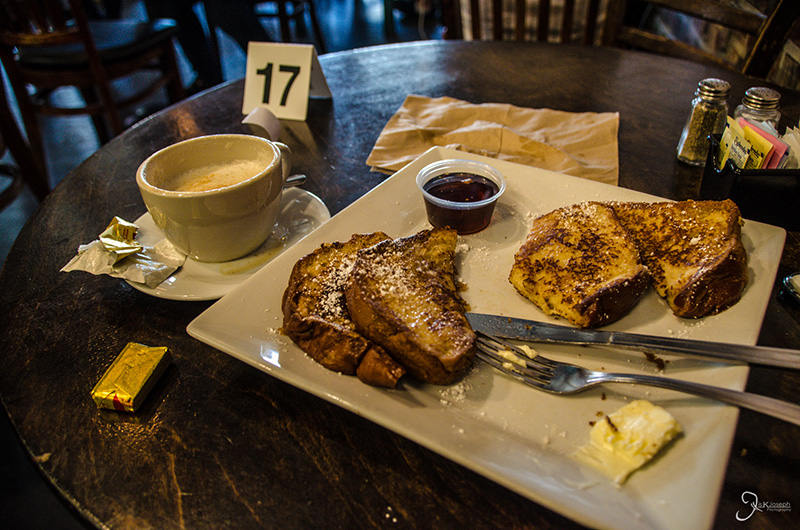
Before heading to the museum I needed my French Toast Fix at the Crave Cafe.

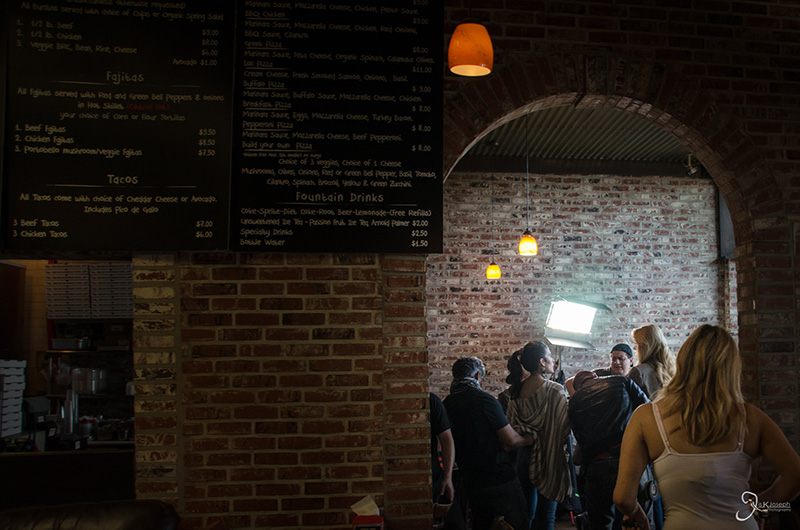
While eating breakfest, Hollywood was filming a scene for a local show.

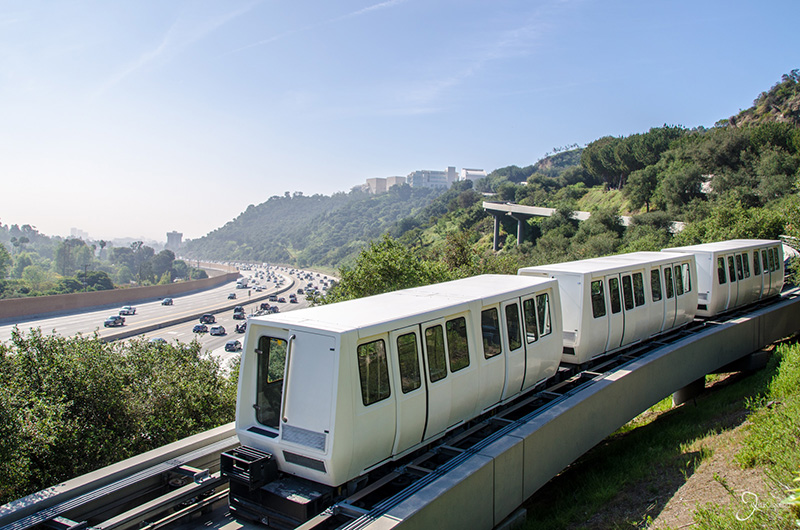
The train that takes visitors from the parking deck to the museum at the top of the hill.

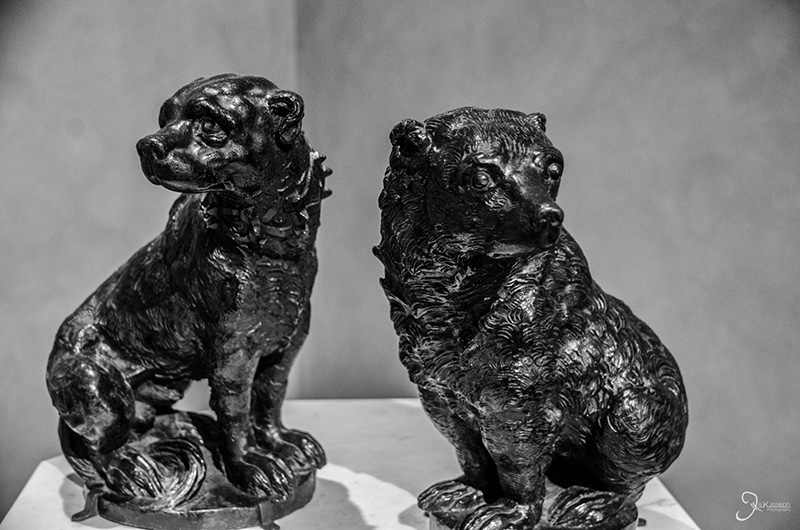
Bear and Dog

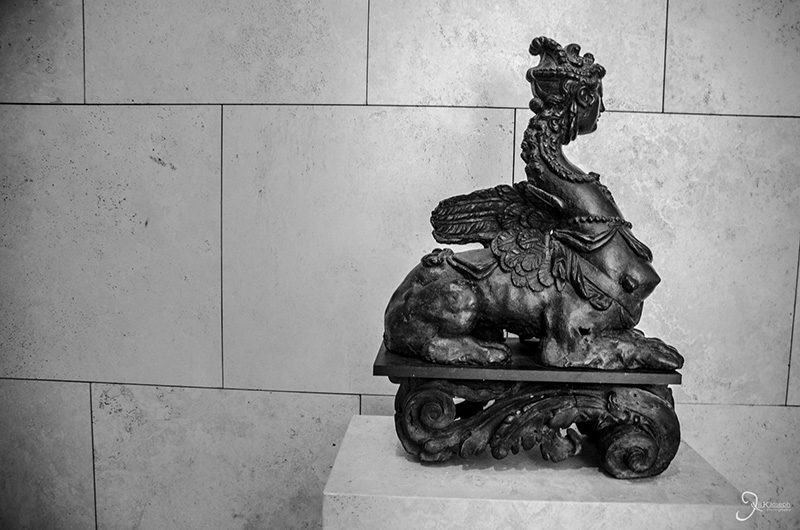
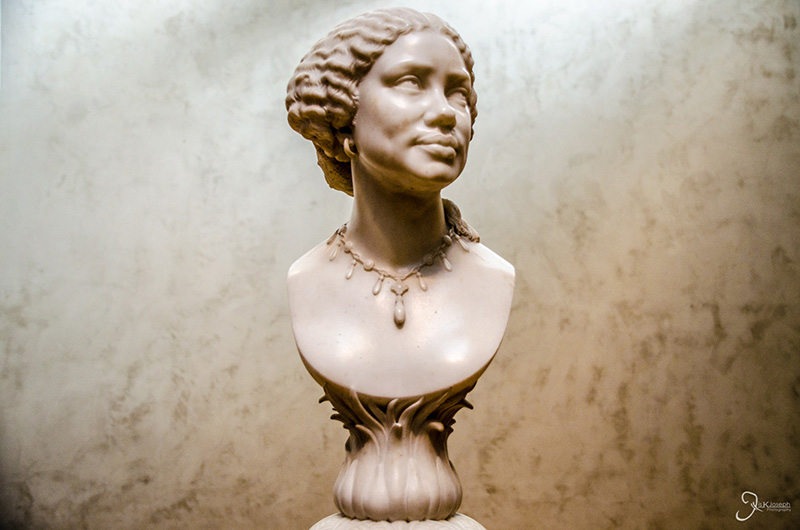
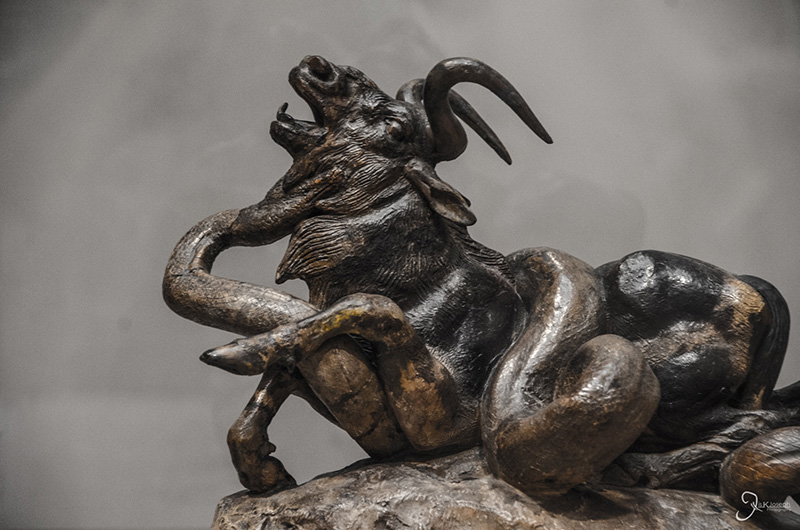
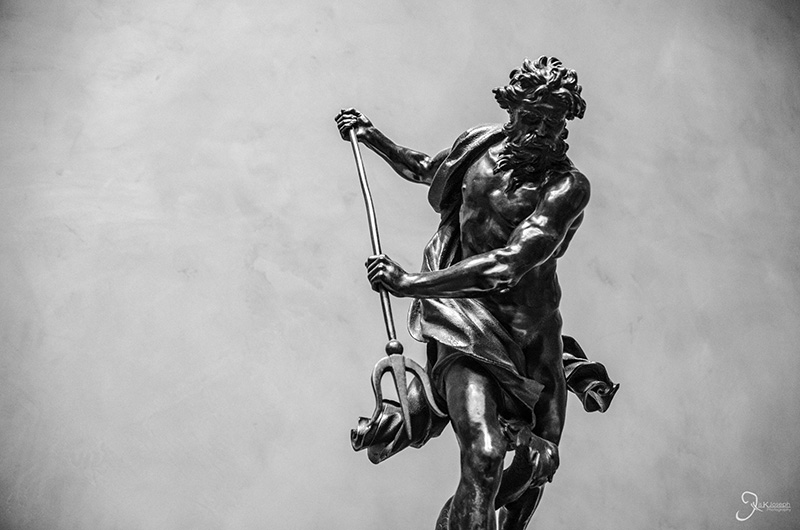
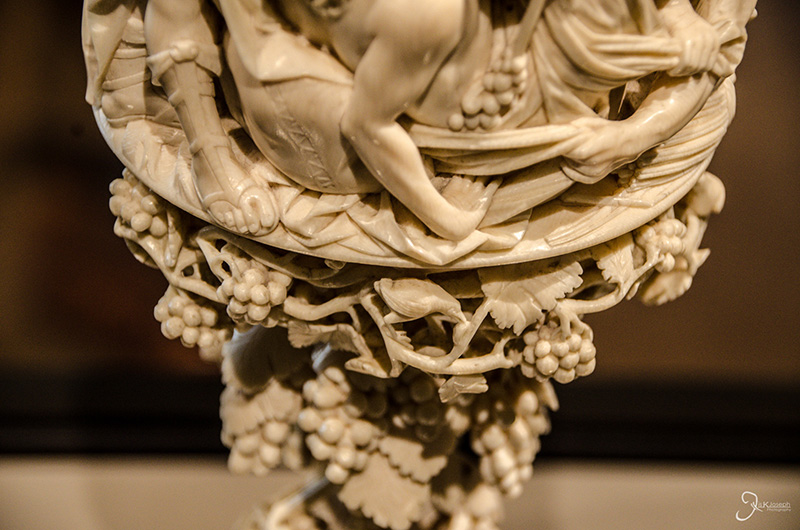
Many pieces of art were made ivory. Beautiful and unfortunate.

I think we've all had those mornings.

LA, just as smoggy as ever.

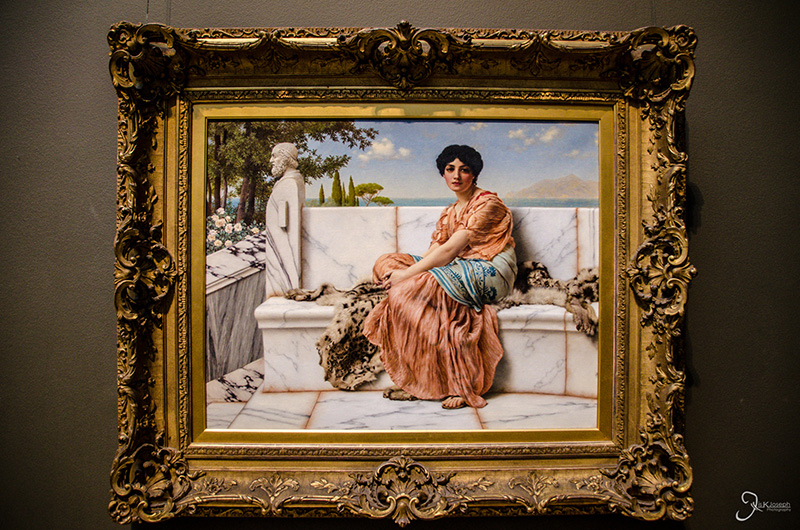
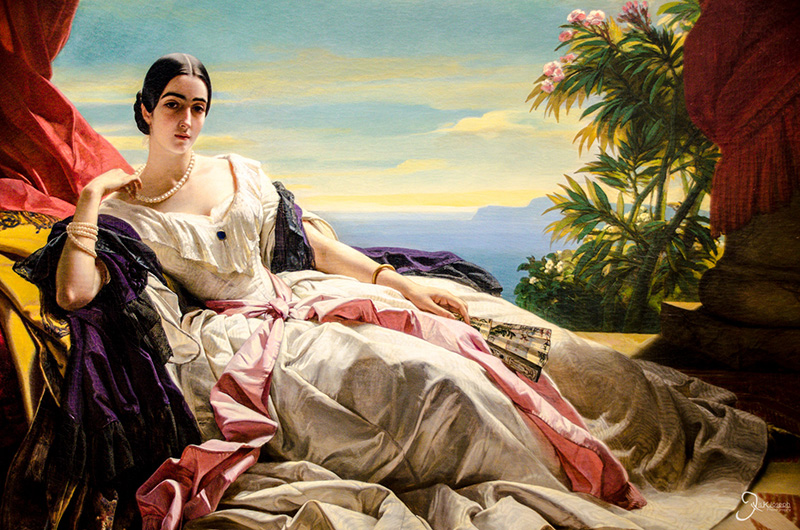
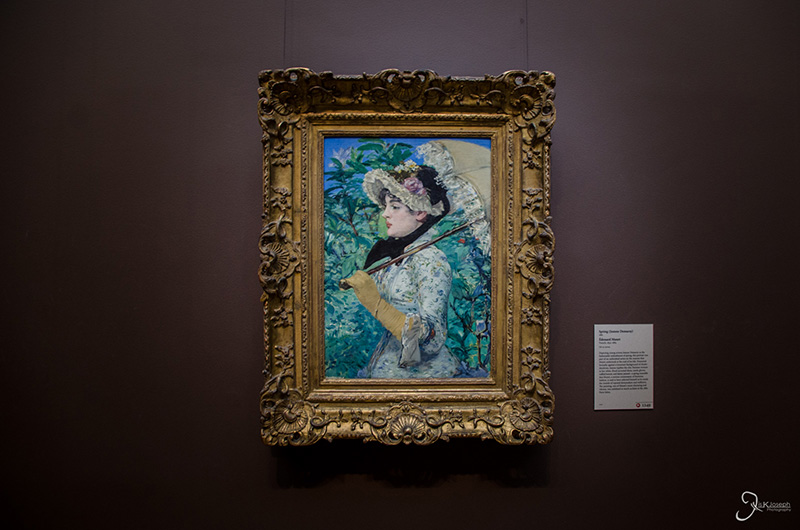
The museum owns two of the top 20 most expensive painting in the world. This is one of them : Edward Manet's piece titled "The Spring."

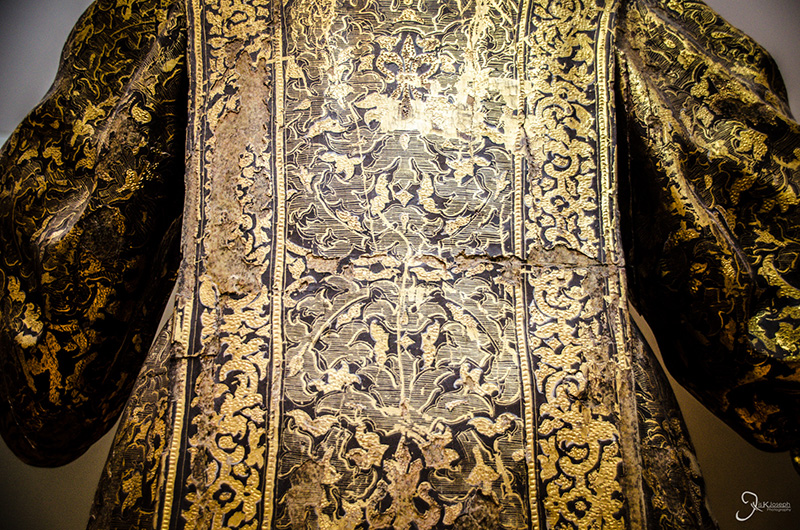
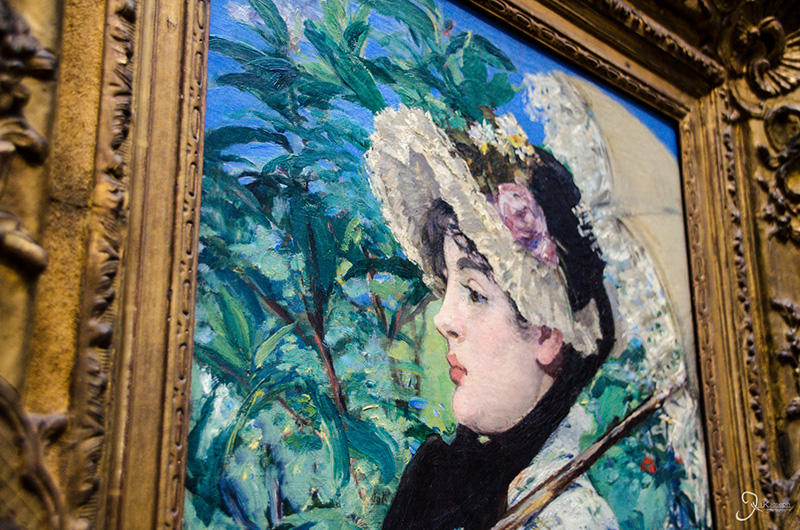
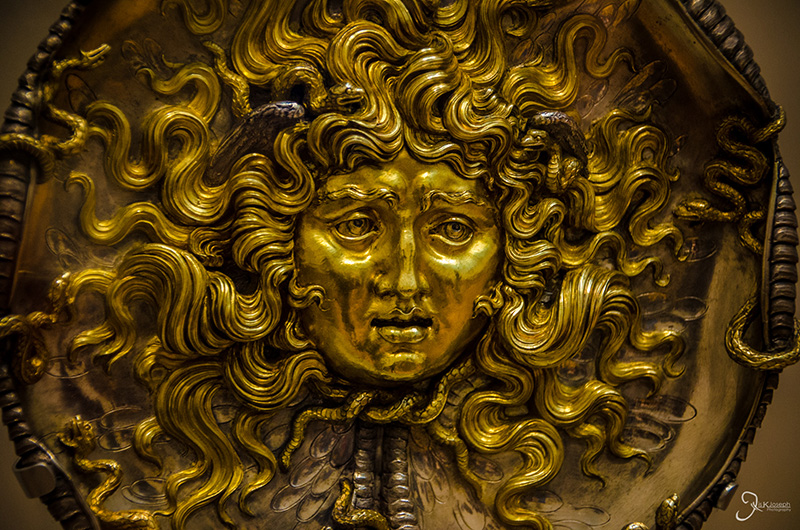
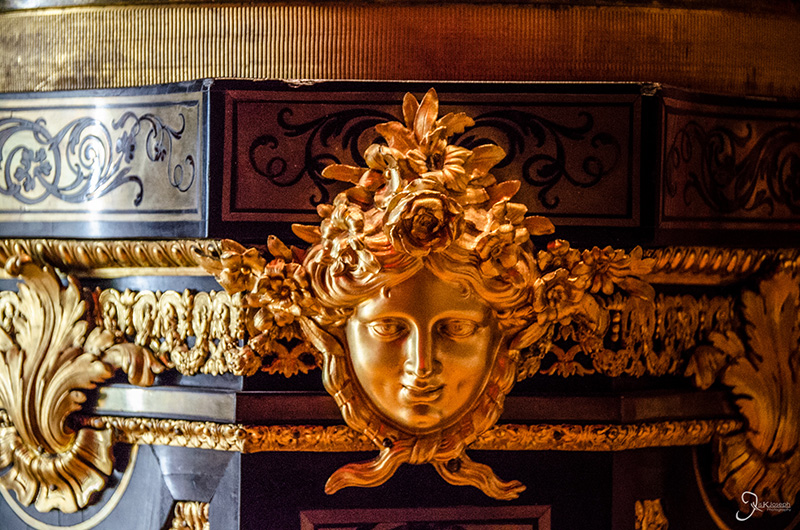
A close up of some of the three dimensional detail.

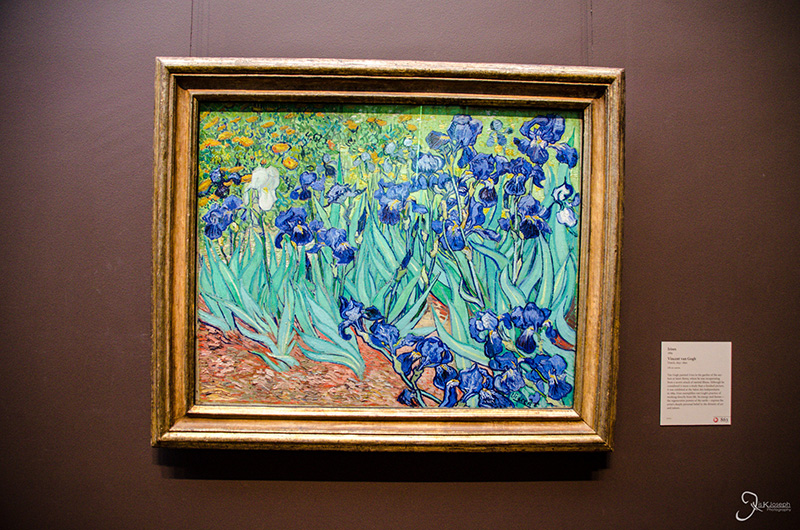
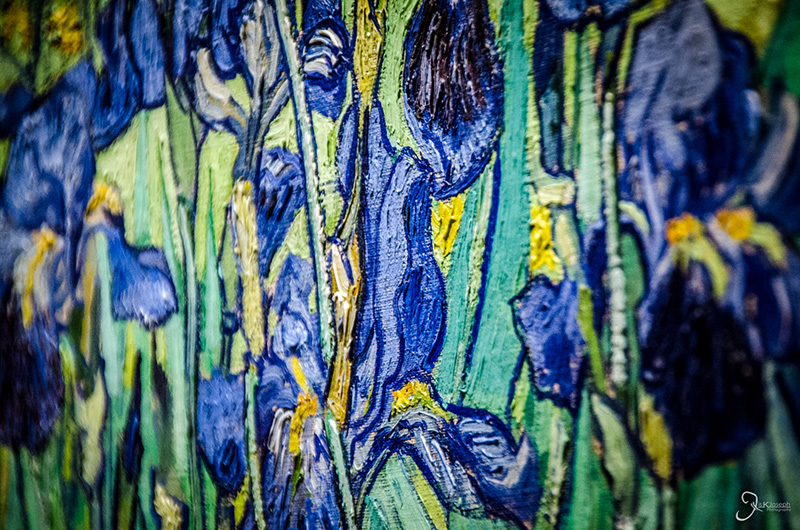
The museum owns two of the top 20 most expensive painting in the world. This is the other one: Vincent Van Gogh's "The Irises."

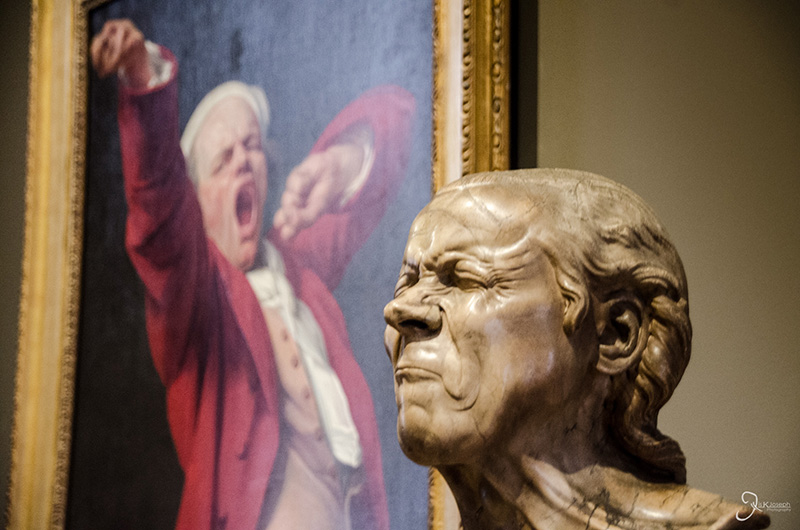
Too much emotion in this gallery.

Due to the severity of the California drought, all the fountains in the museum were turned off.

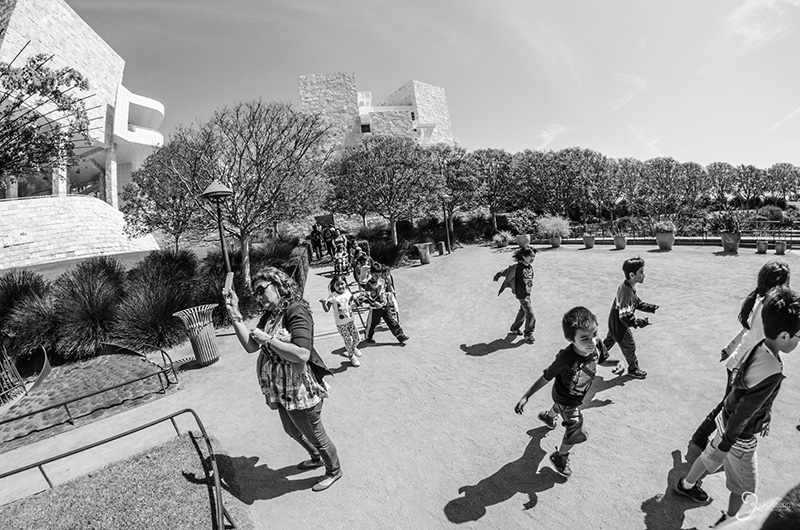
Many schools and daycares brought their kids on field-trips to the museum on the day I visited.

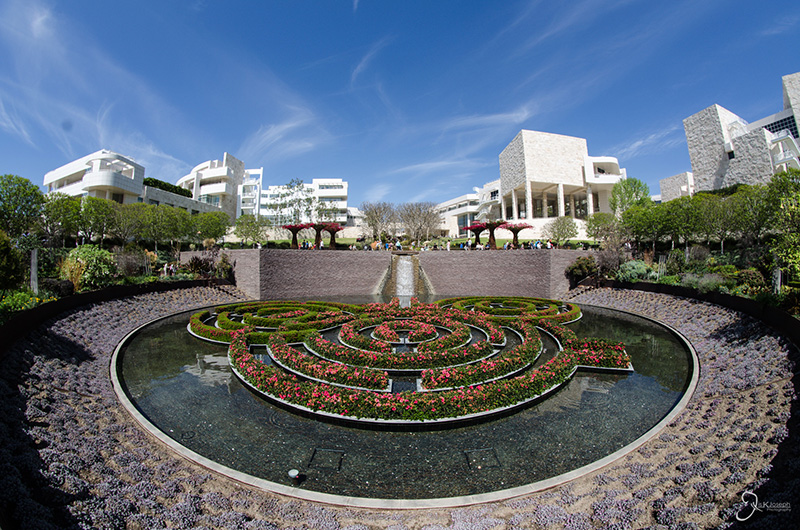
The museum's main outdoor garden.

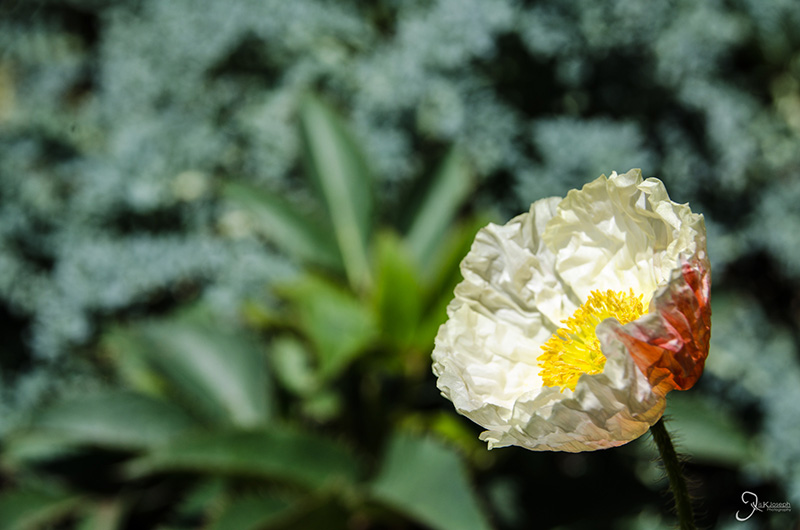
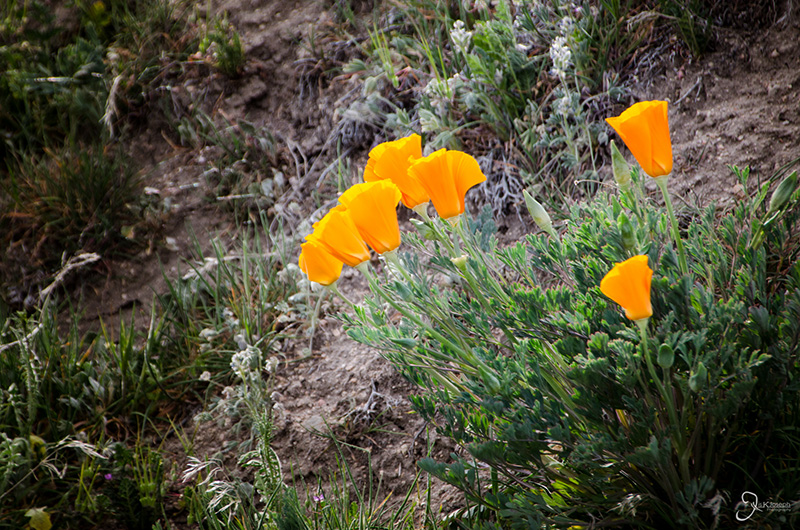
Californian poppy.

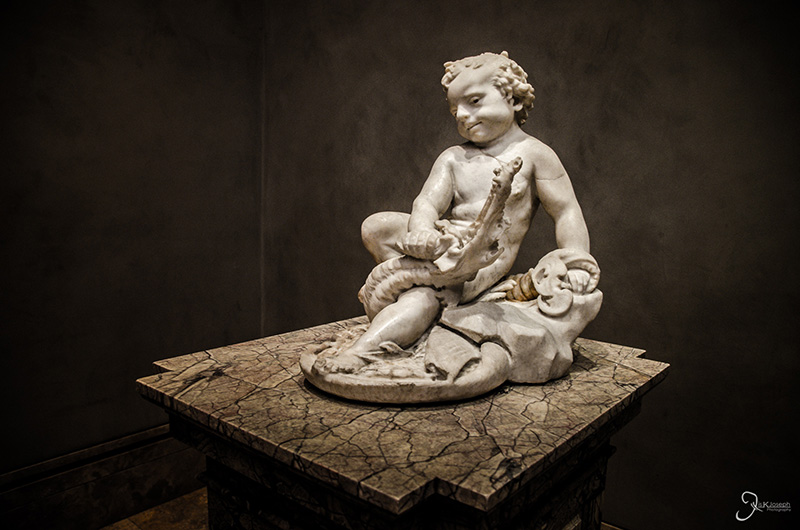
Just a child casually playing with a dragon.

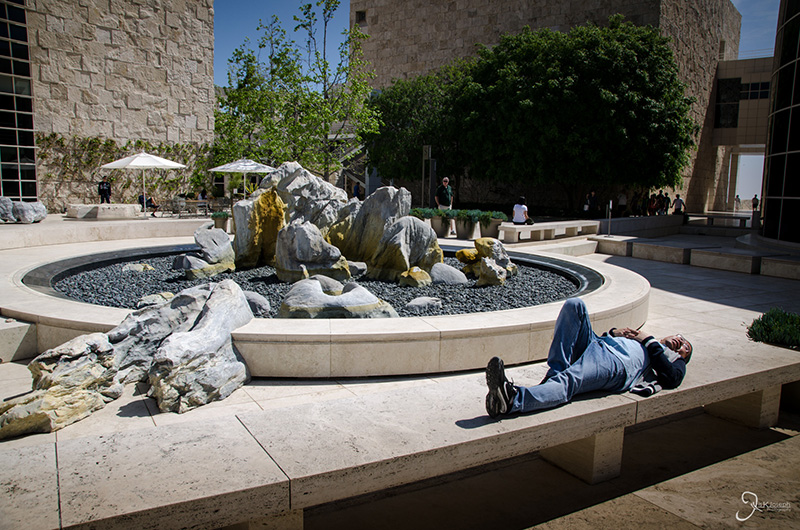
This is how one finds me in an art gallery
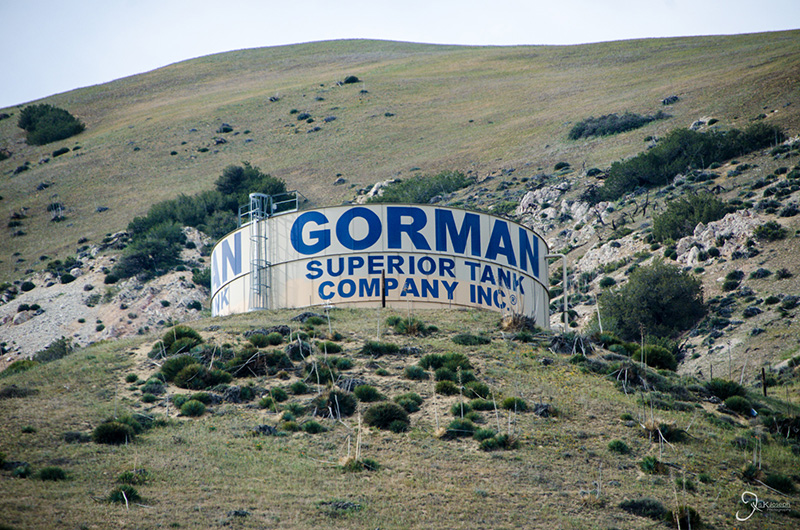
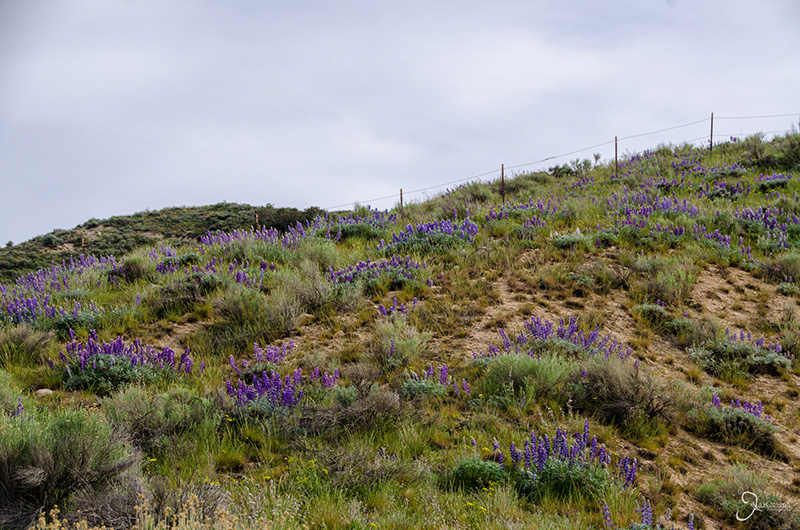
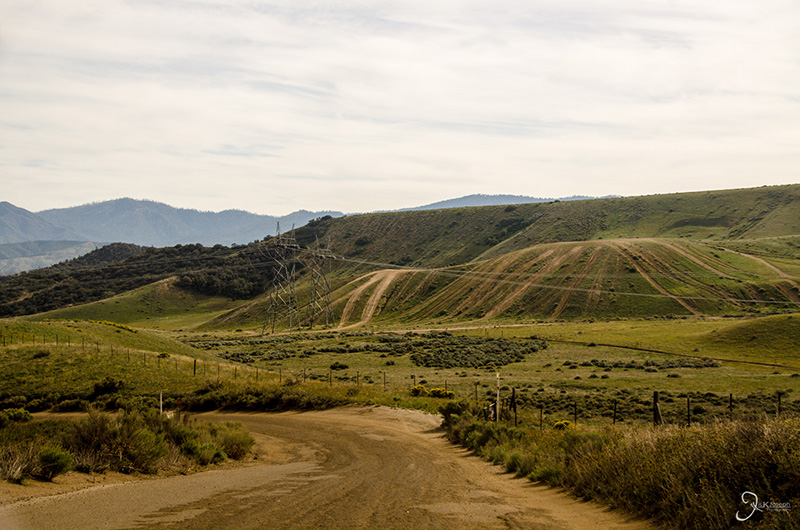
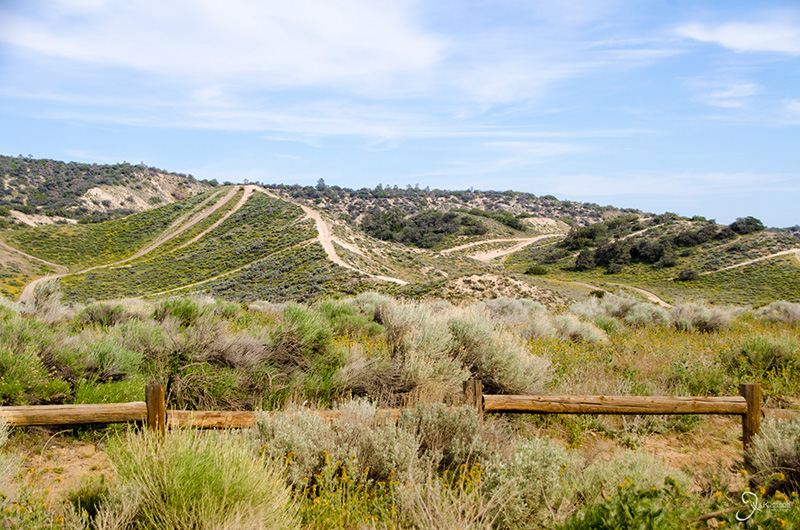
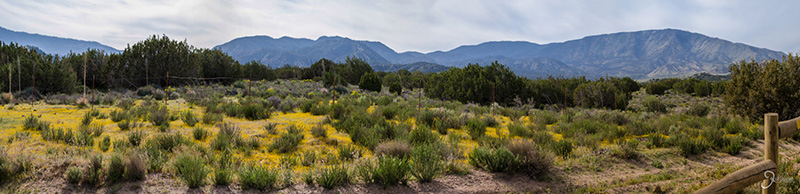
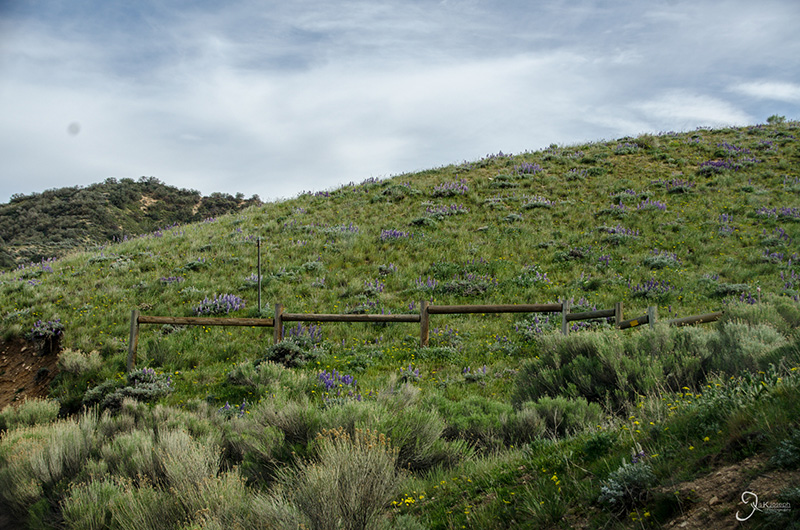
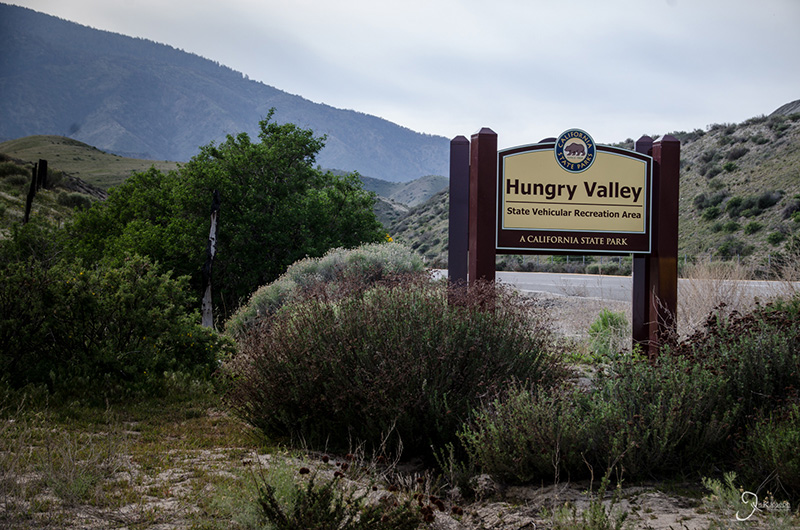
Due to the warmer winter, spring came to California a few weeks early. I was reccommended to visit the town of Gorman and drive through the Hungry Valley to witness some of the brightest green hills covered by Californian wild flowers. Unfortunately my arrival was towards the end of their bloom, but I still got to see some.
A planned for a three day visit to see my family's long time friends, Thomas and Ansy, who reside in the Central Valley's southern city called Bakersfield.

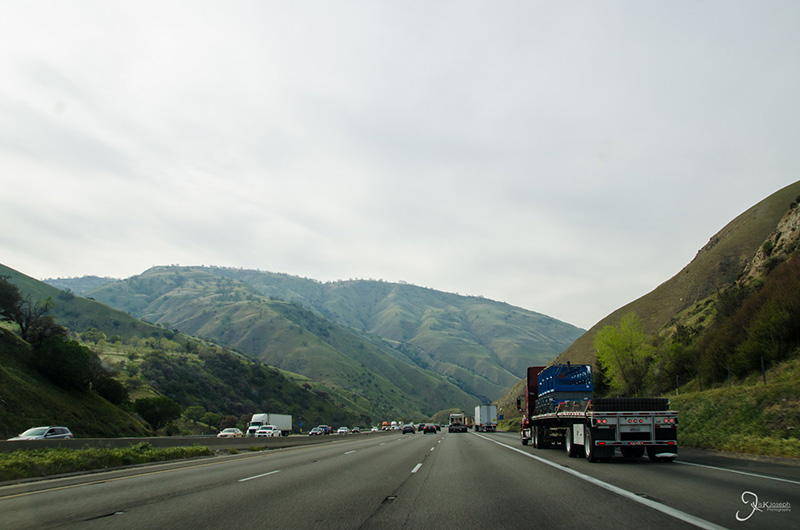
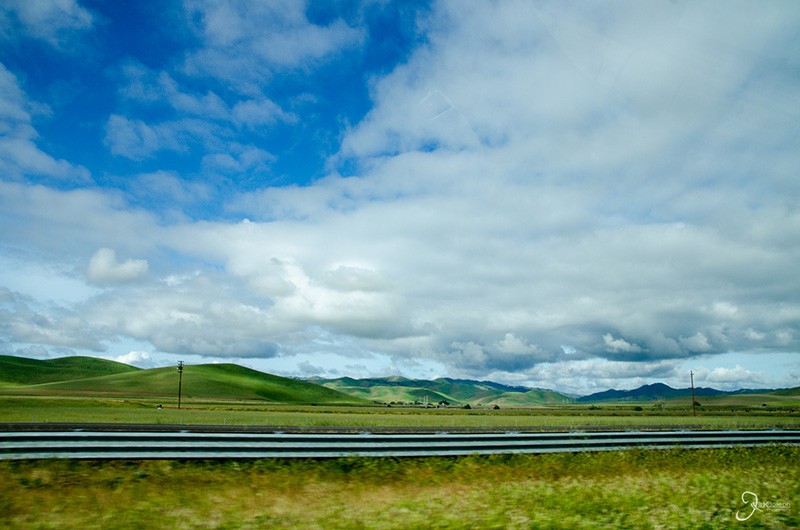
A drive down the steep Los Padres Mountains into the Central Valley

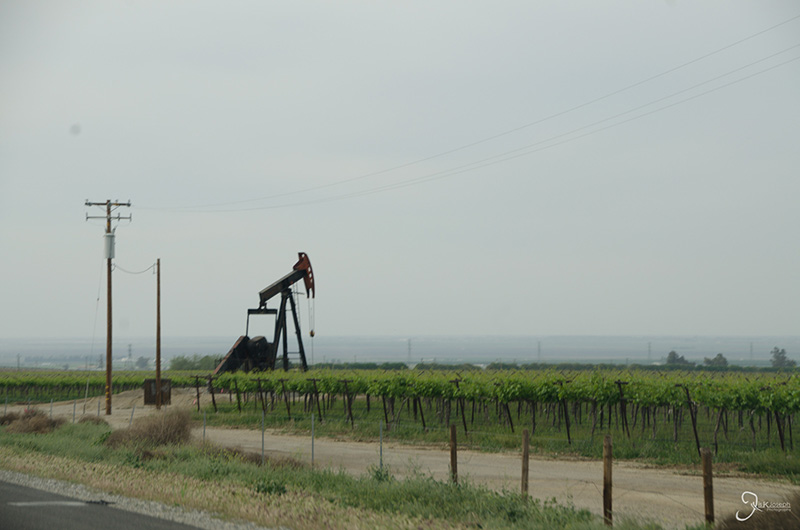
Several oil jacks could be seen dotting the fields of grape vines.

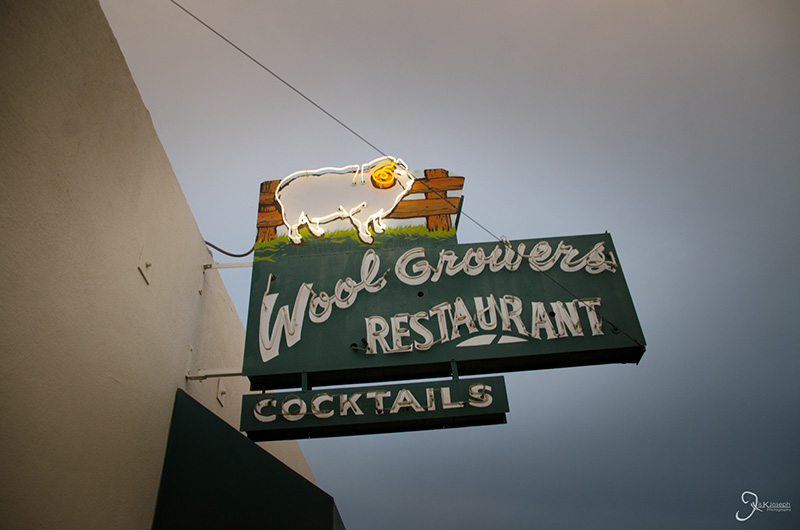
Wool Growlers, a famous local Basque restaurant in Bakersfield.

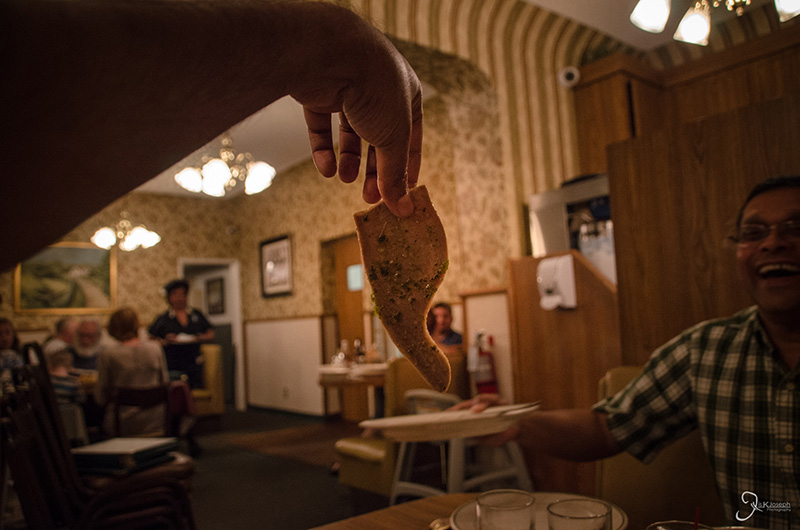
The restaurant is known for its ox tail. I was only brave enough to try the ox tongue.

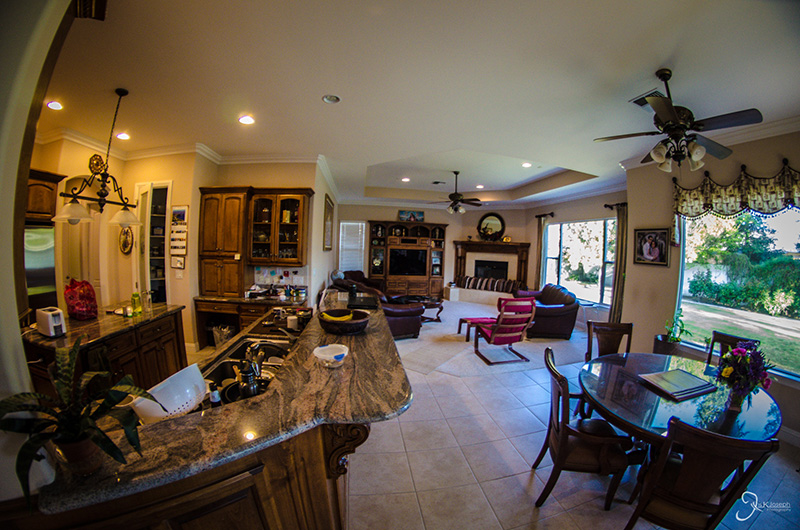
The Thomas and Ansy's beautiful home.

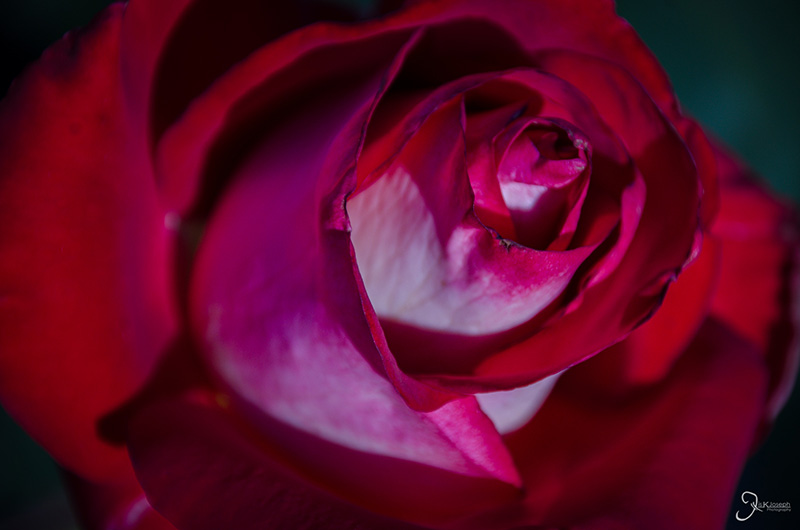
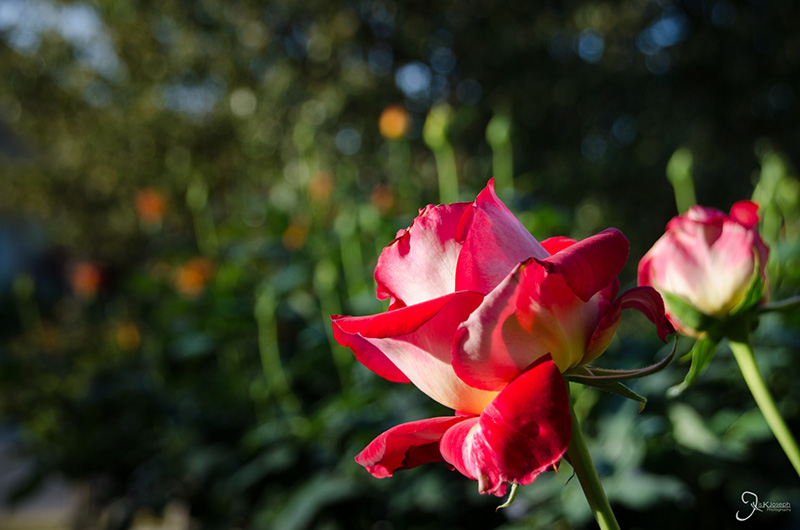
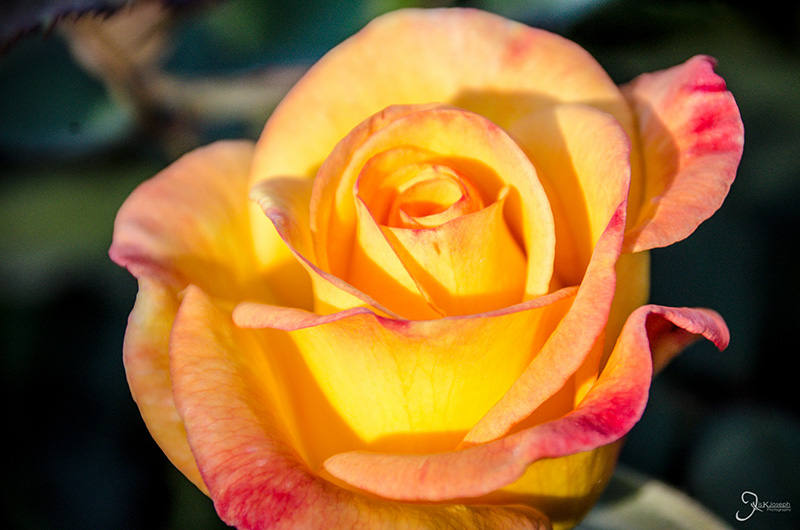
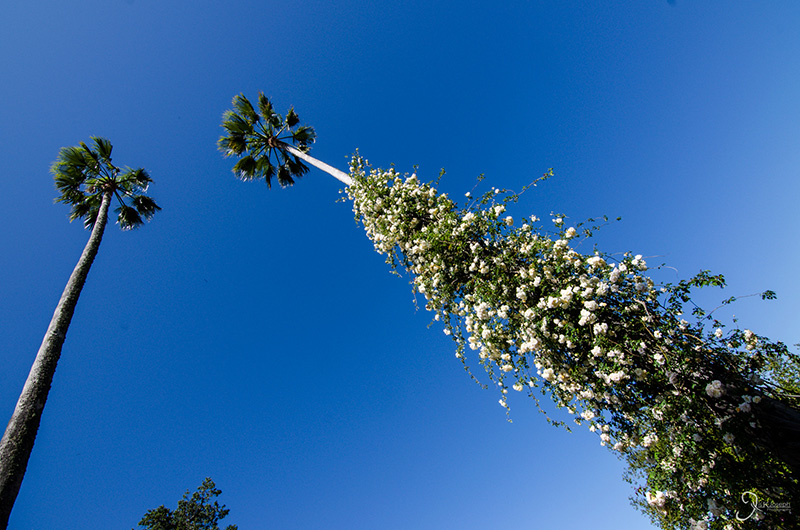
California roses were in season during my visit.
One of the must see things on my California trip was to see the mammoth redwood trees. The largets conifers in the redwood family are the Giant Sequoias in nearby Sequoia National Forests.

As we climbed up the mountain, the trees were starting to get bigger.

And taller.

And redder.

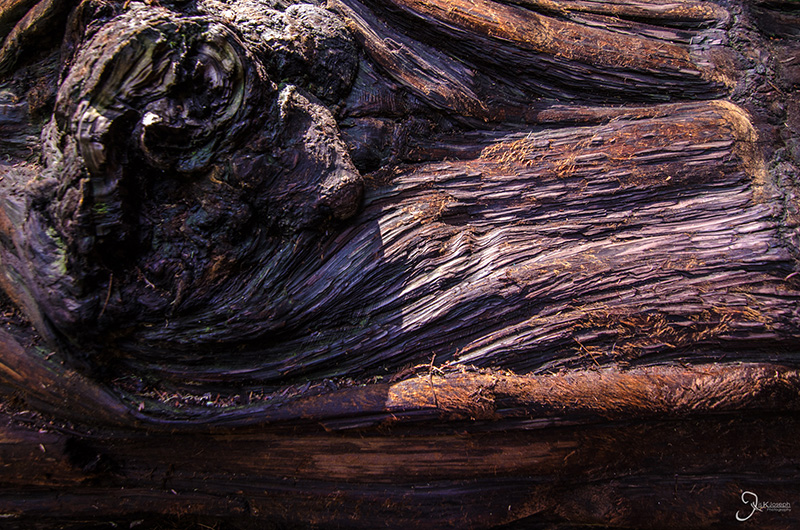
Many of the sequoias and charred bases. This shows their resilience to California's forest fires.

The most massive tree on the planet: General Sherman.

Standing in front of the most massive single stemmed tree in the world.

Looking up into the wirey branches of a young sequoia.

My fisheye lens came in very handy to fit some of these massive organisms into the frame.

General Sherman: the most massive single stemmed tree in the world.

Although heavily distorted, this photo taken by a fisheye lens was the best way to show off how massive these trees are.

Prior to visiting Sequoia National Forest, I thought there were just a handful of trees left. Although they are protected and still endangered, hundreds of trees and dozens of groves still exist.

Surprisingly, these trees do not take the crown as the tallest trees in the world.

The base of a tree compared to the nearby visitor's center.

While driving around the park, groups of brown bears could be seen from the road. Despite taking these photos just feet away from them, they were little bothered by human presence.

Peek-a-boo!

This was the most impressive group of trees I saw. Photos can't express their immense size.

The most massive organisms on the planet come from this tiny thing.
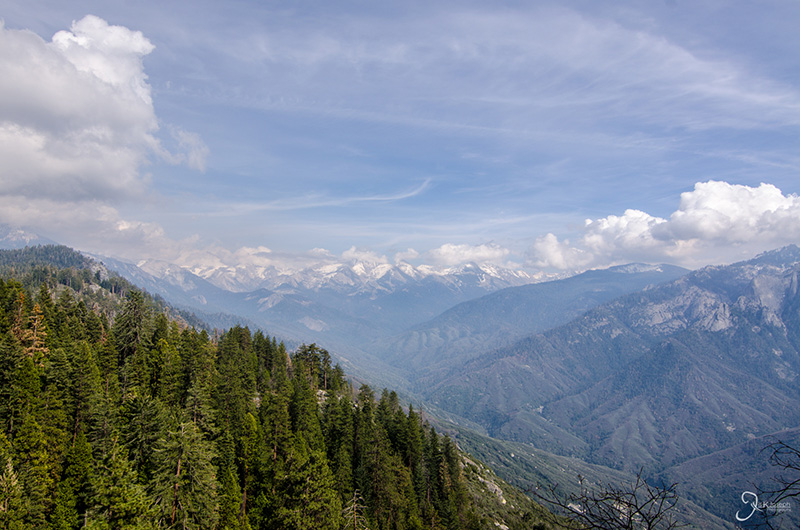
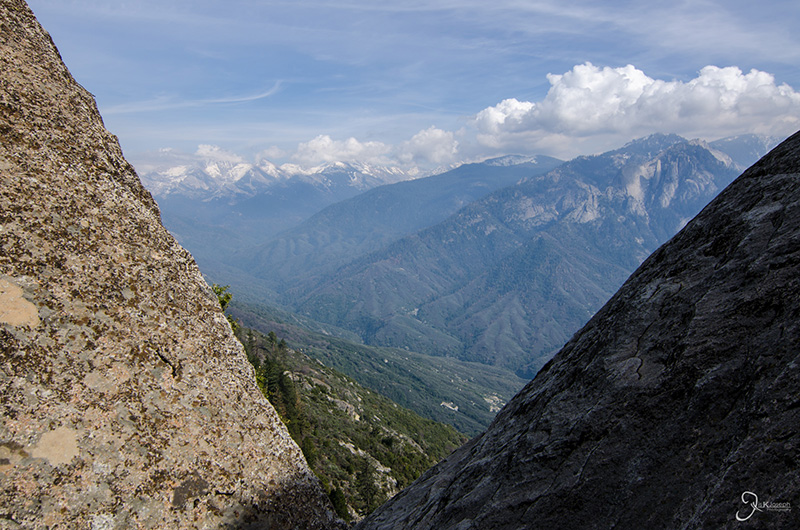
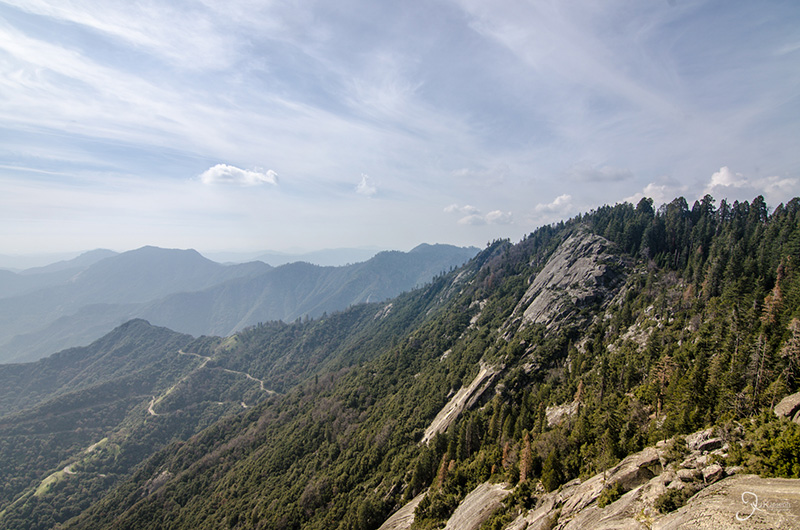
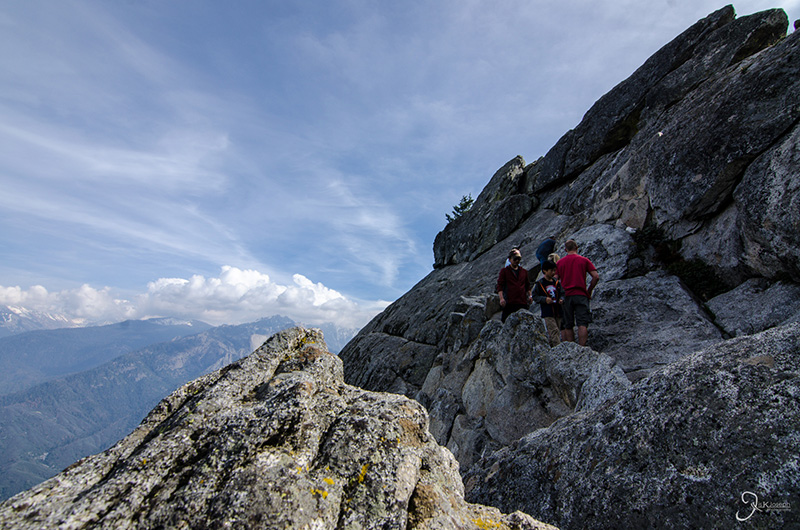
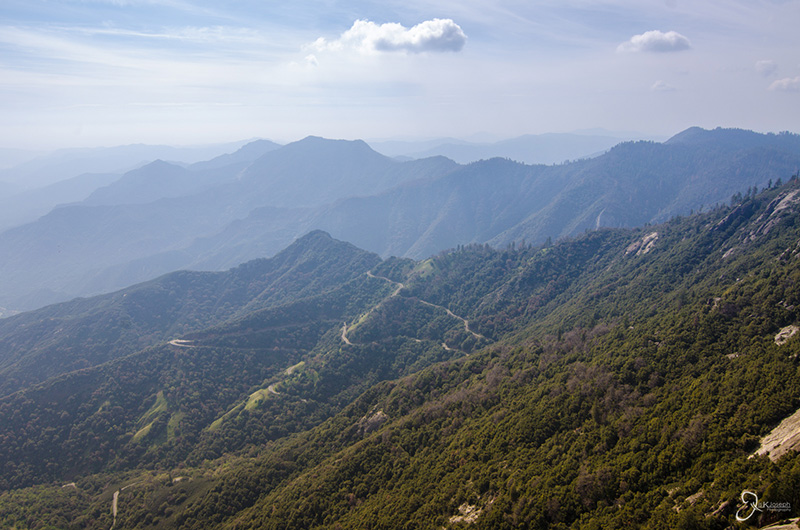
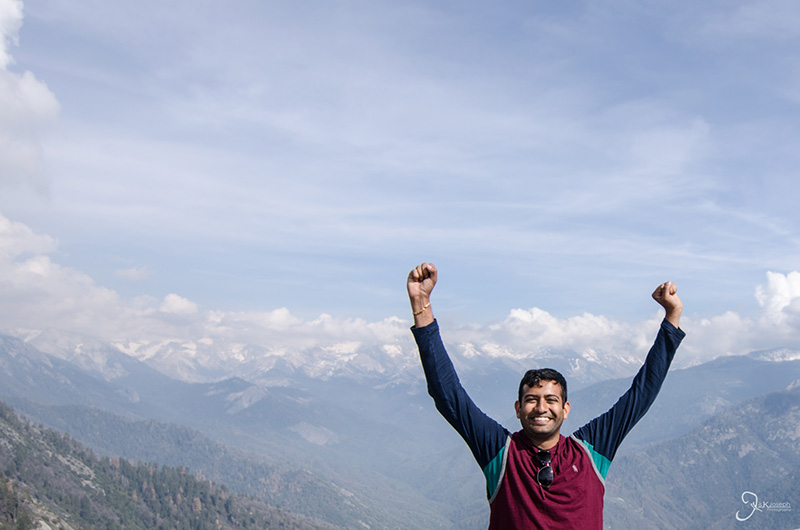
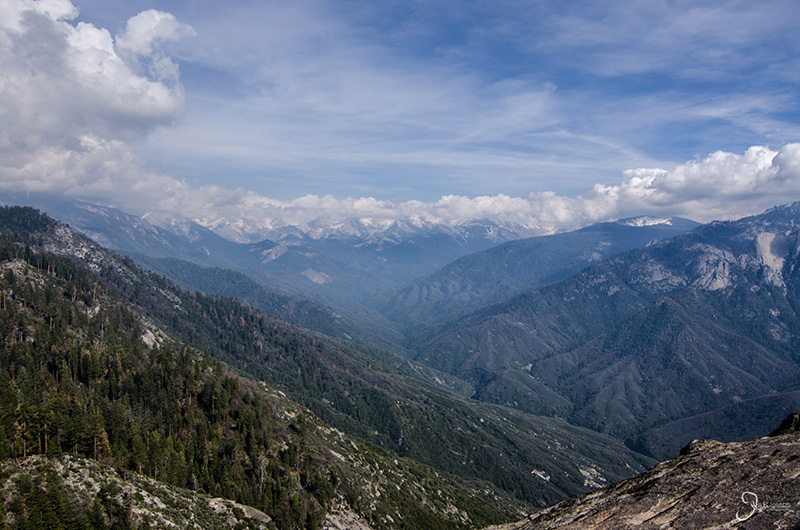
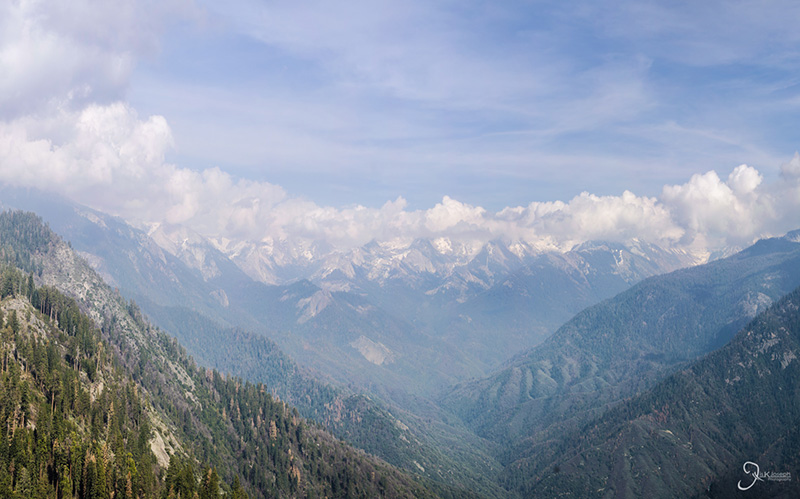
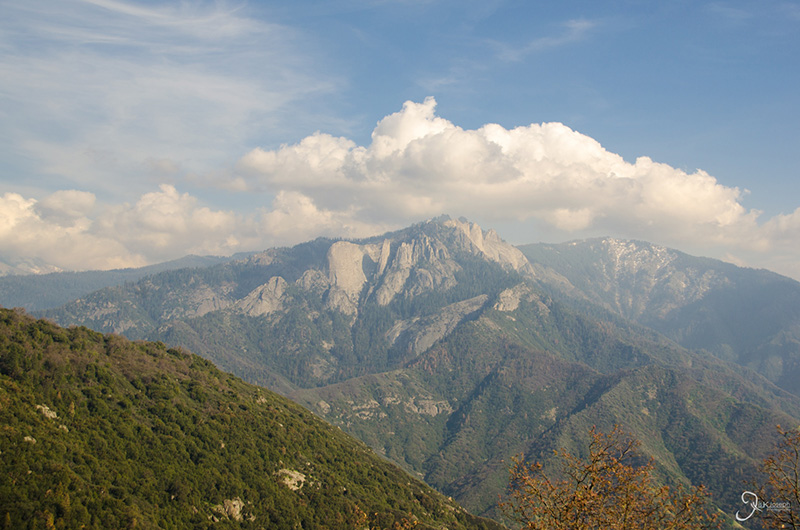
Sequoia National Park is defined by its trees, but also its granite landmark, Moro Rock. I climbed this granite dome formation to get an amazing view of the forest and the surrounding Sierra Nevada Mountain range.

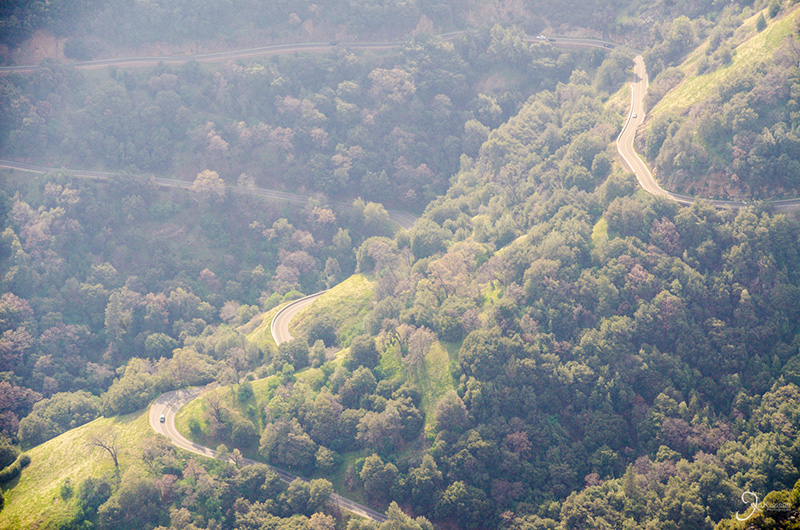
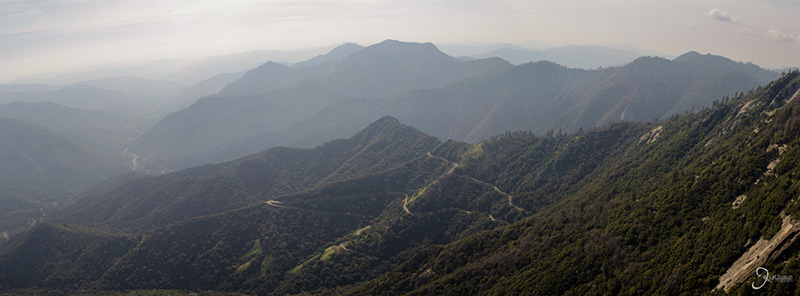
The winding roads that take tourist into Sequoia National Park.

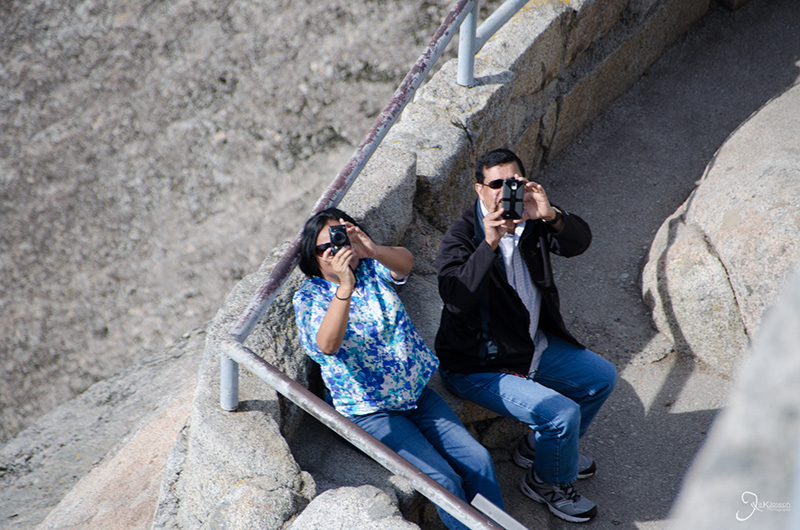
My paparazi fan base.

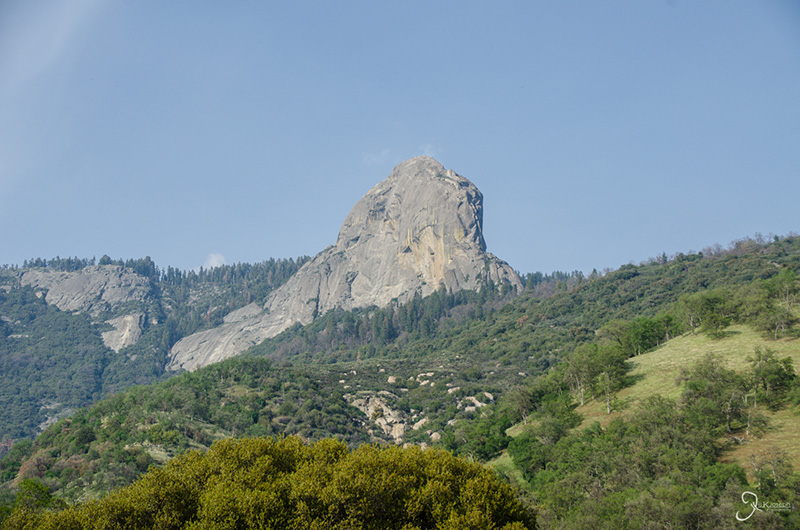
Moro Rock as seen from the base.
Although, not quite Napa Valley, Paso Robles is Californian wine country located just northwest of Bakersfield and home to dozens of wineries.

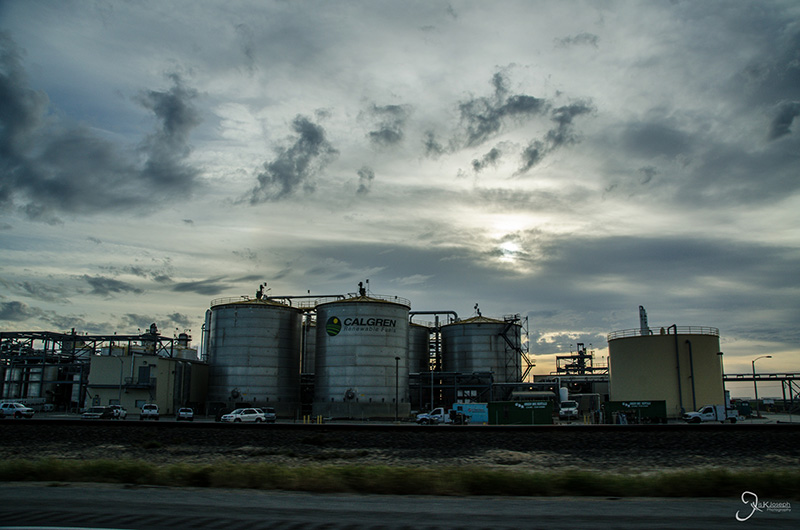
Despite seeing several oil jacks up to this point, never had I seen a full fledge oil field.

The lost hills oil field

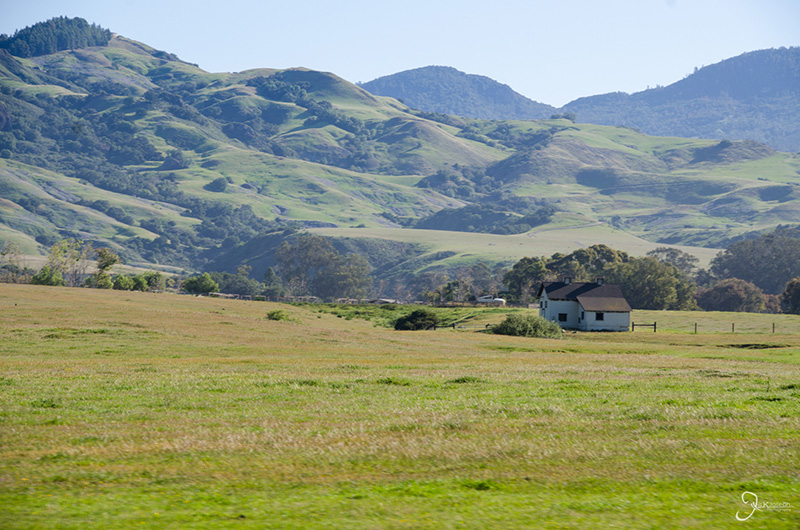
The green hills of wine country.

Back in Holiday, Florida, My father and I have amassed a collection of wine corks in hopes of coming up with a neat art project. I think I've been inspired by this photo.

Acres upon acres of old grape vines.
Next stop, San Francisco!

A wind farm near San Jose.

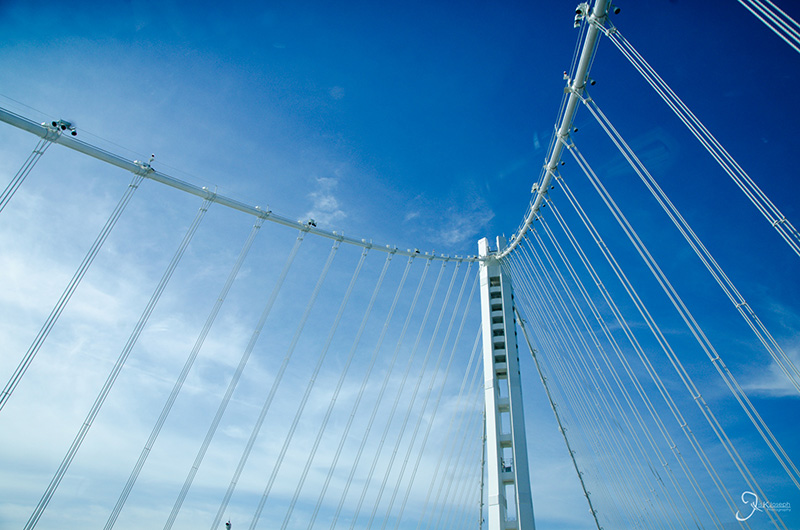
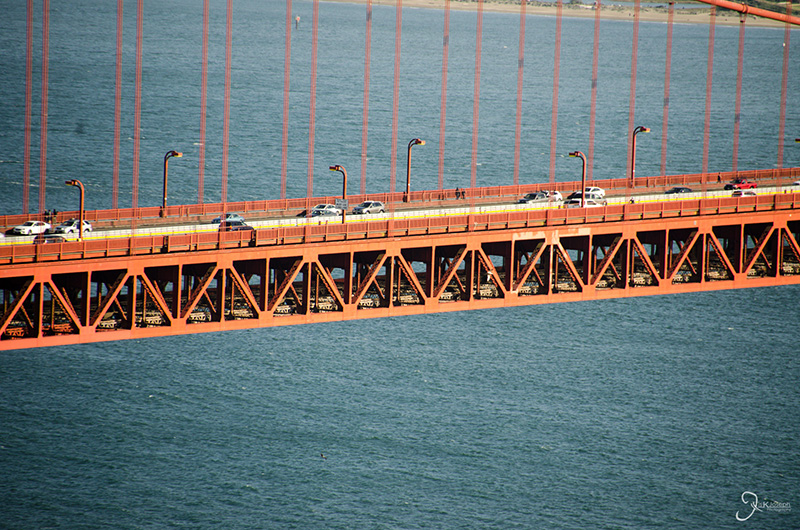
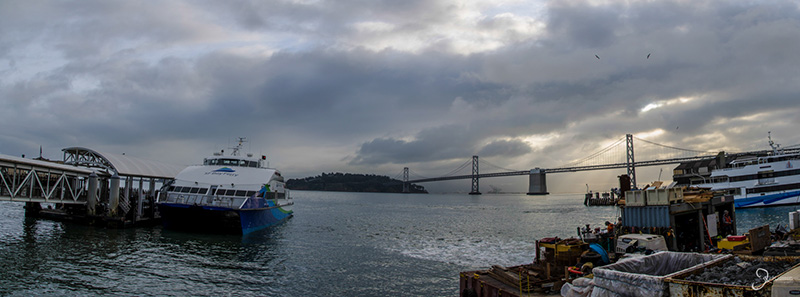
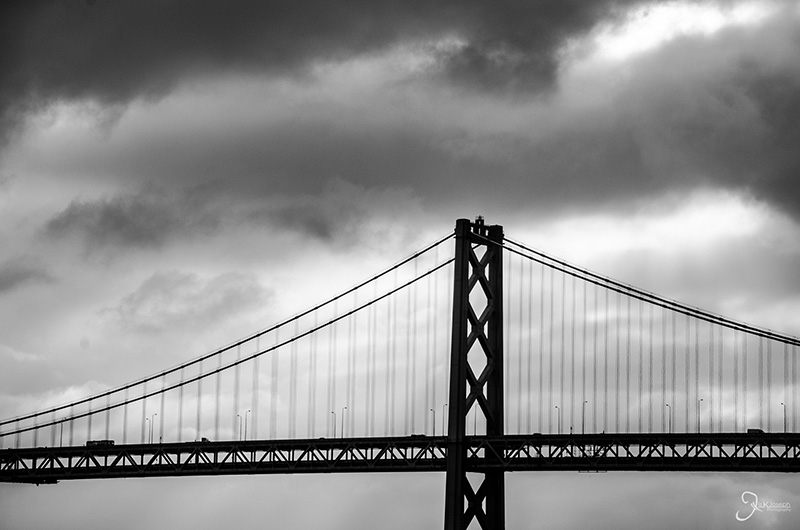
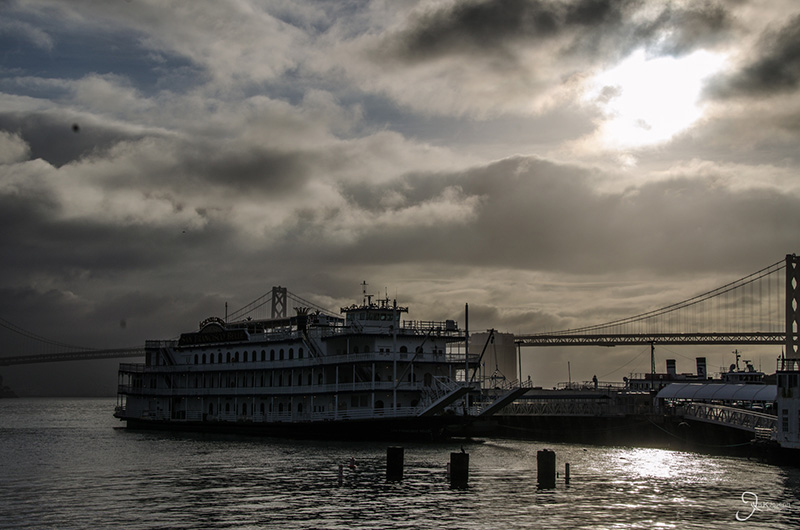
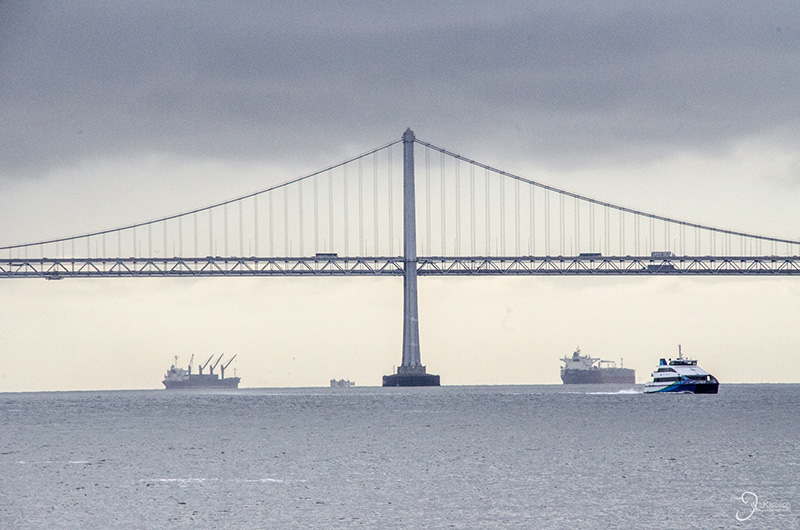
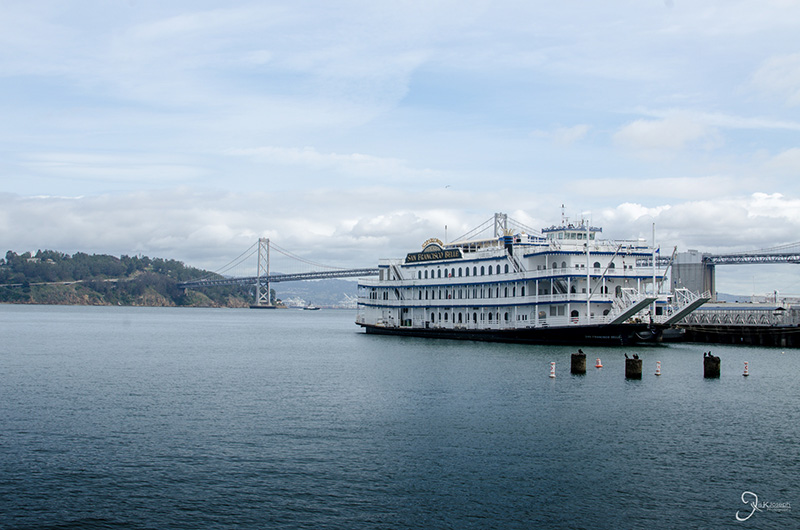
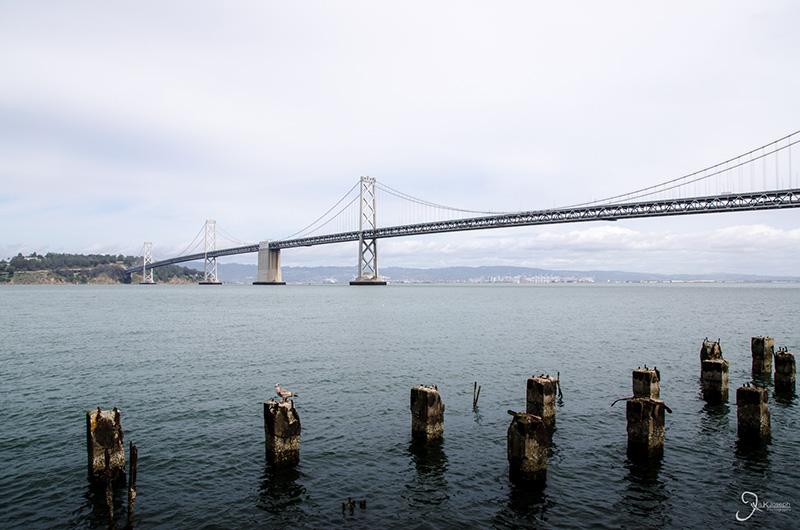
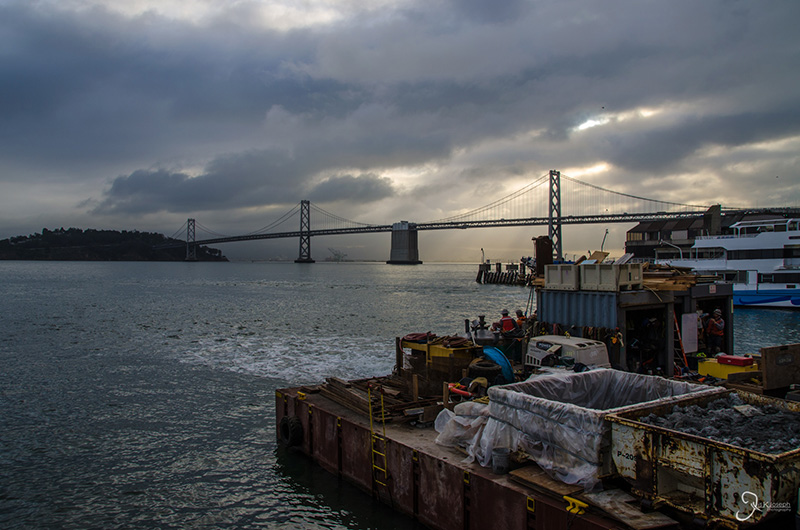
Crossing the Oakland Bay Bridge.
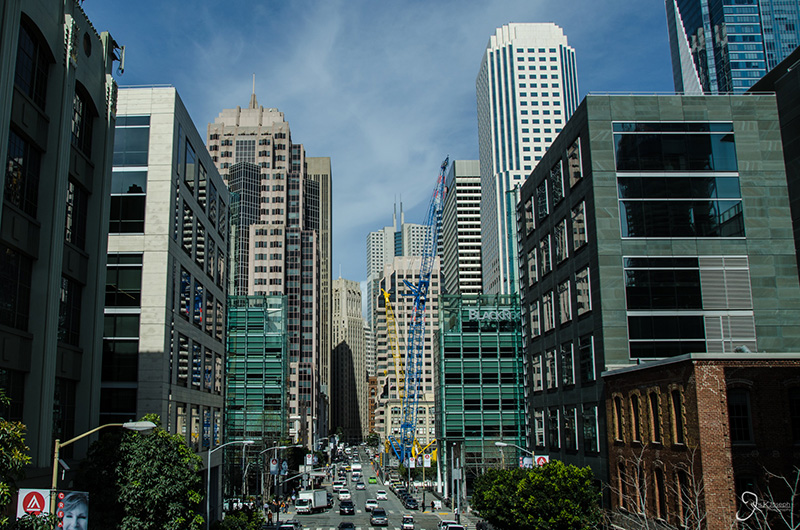
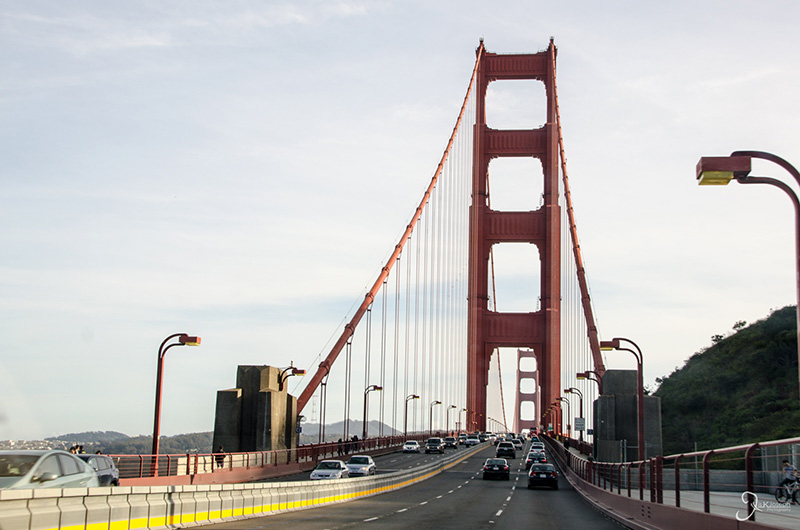
Iconic.
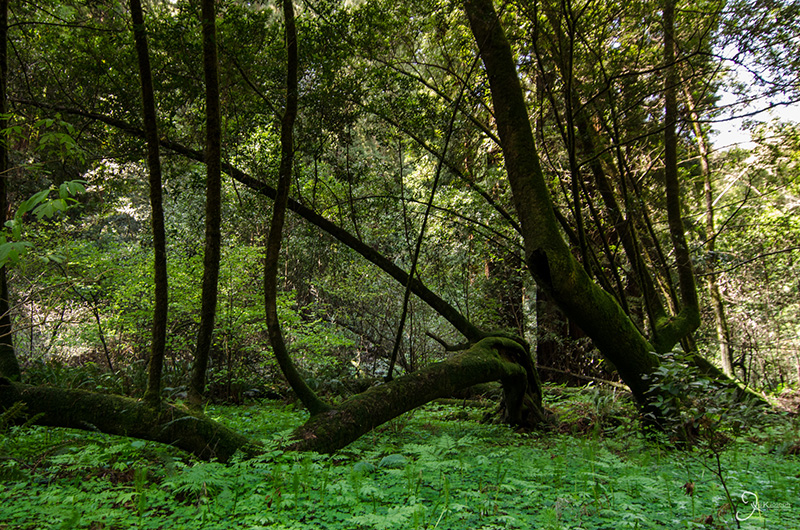
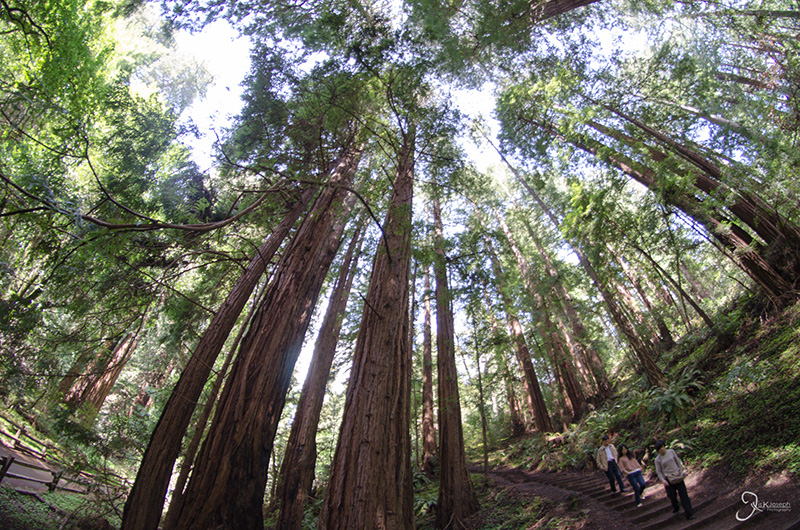
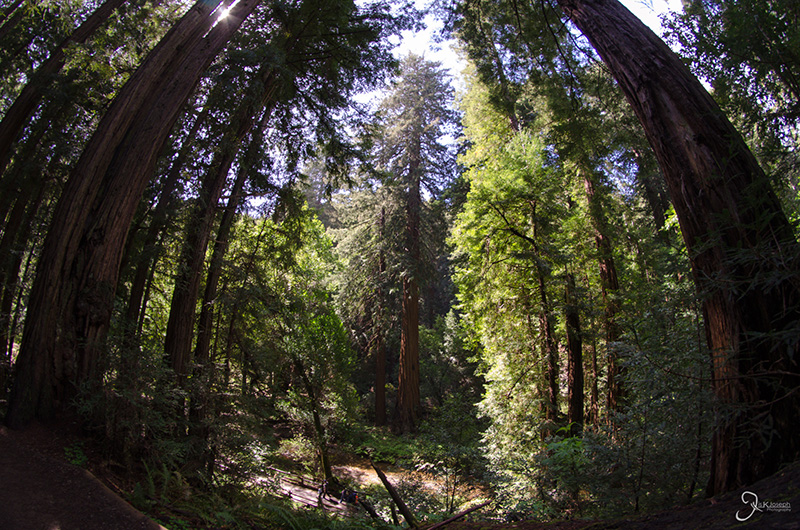
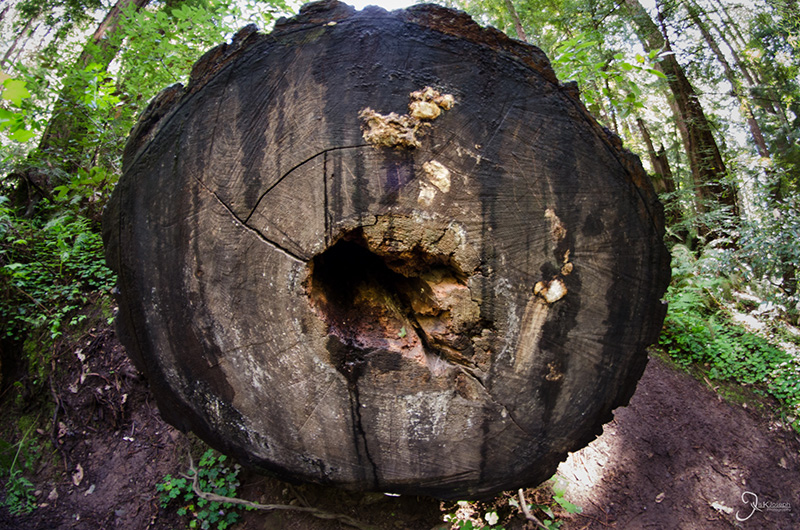
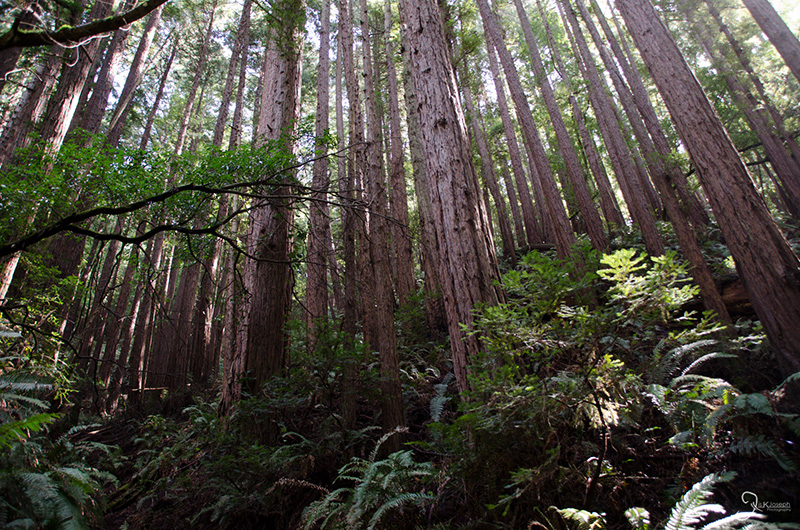
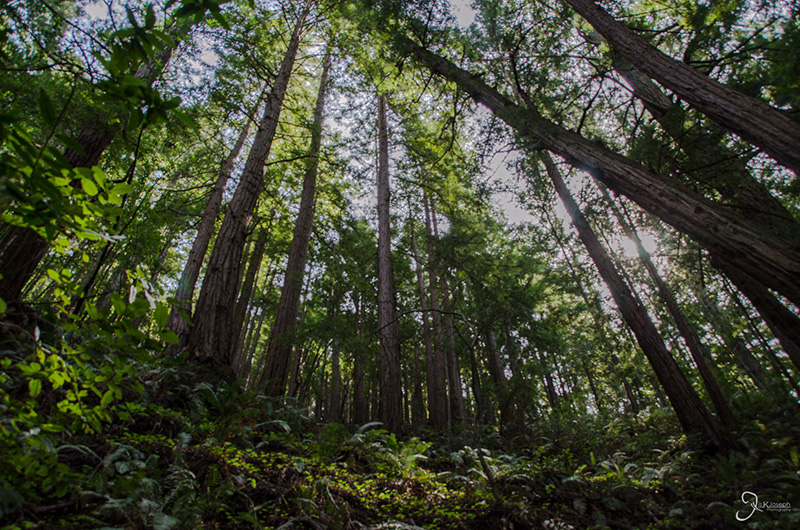
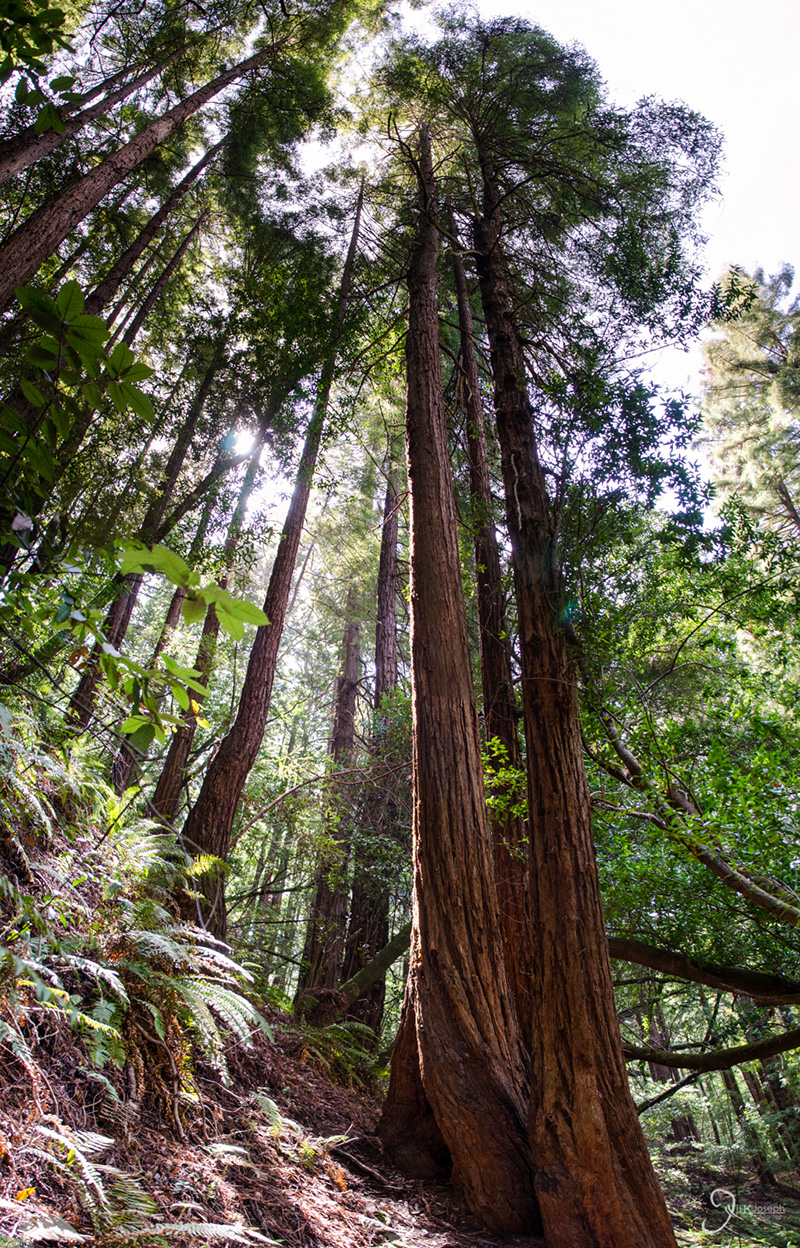
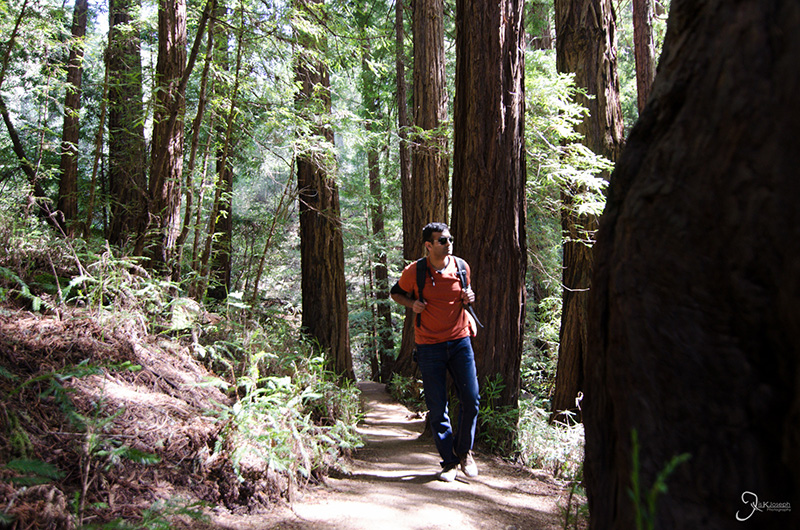
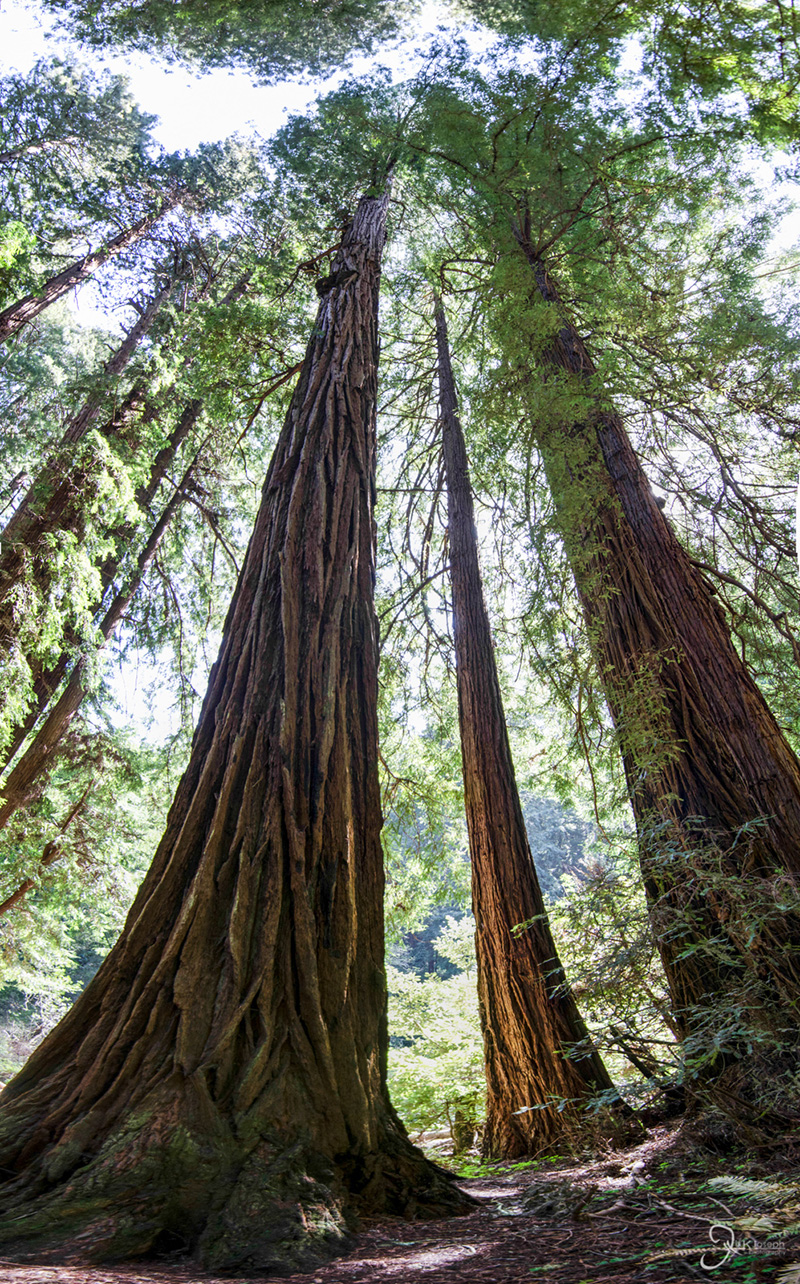
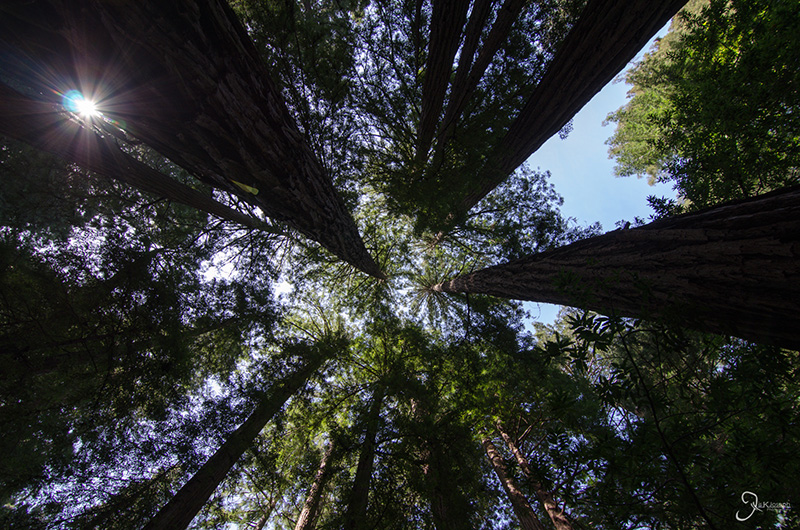
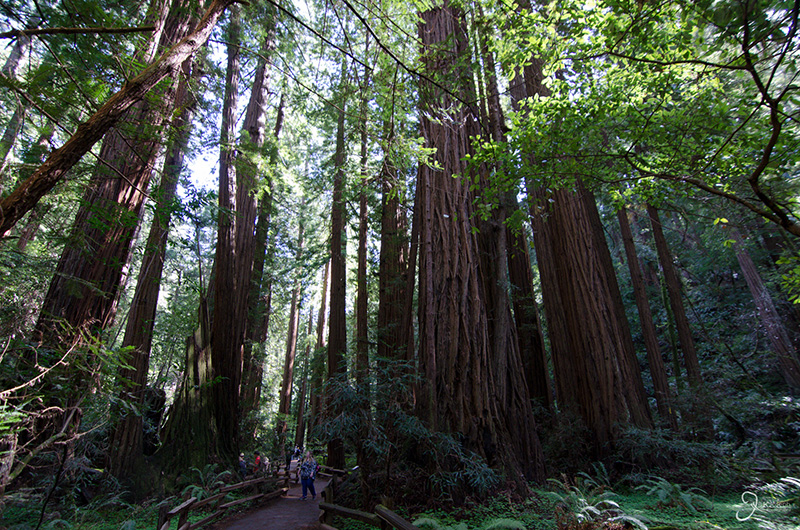
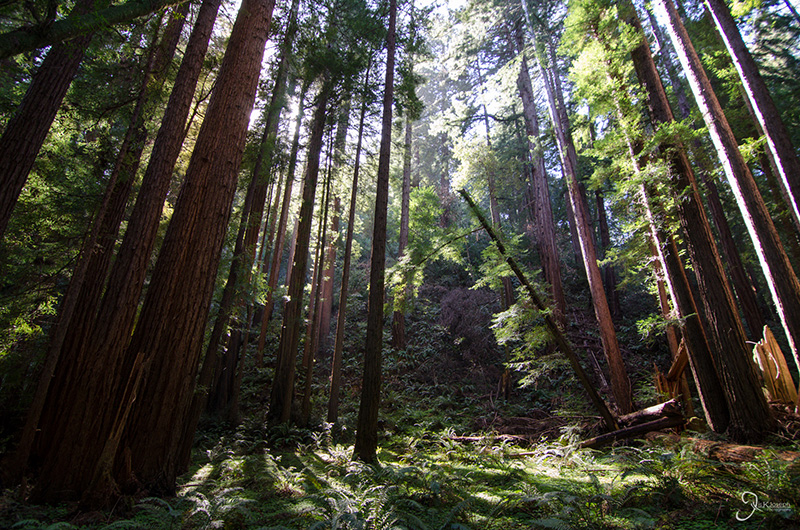
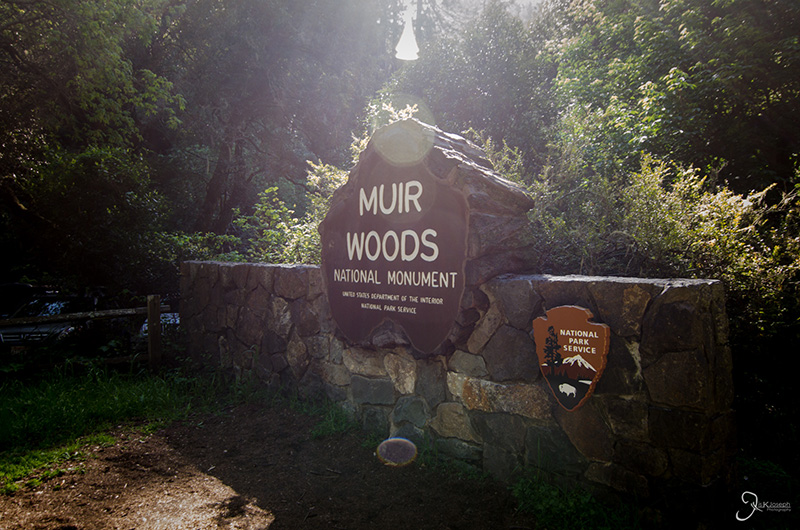
After seeing The Giant Sequoia's I was looking forward to visiting Muir woods, a coastal redwood forest just outside of San Francisco. Muir woods is much thicker and moist compared to the high elevation conifer forests in the mountains. Although the trees were very tall, it was difficult to appreciate them from the forest floor.

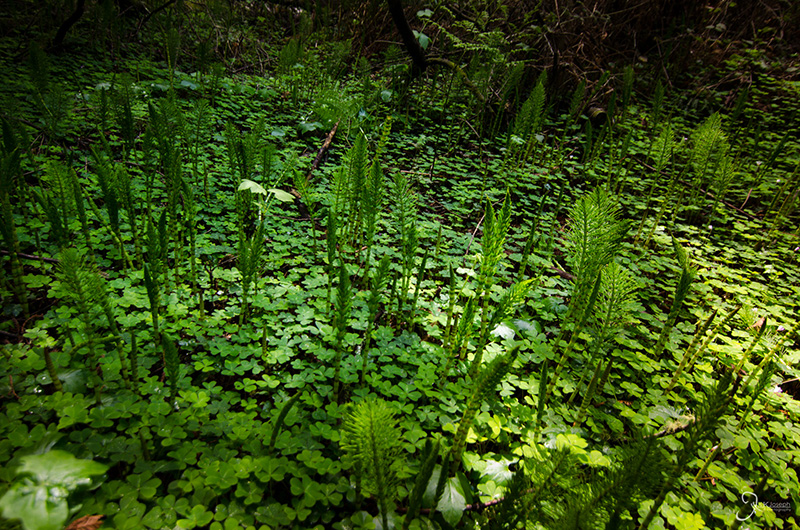
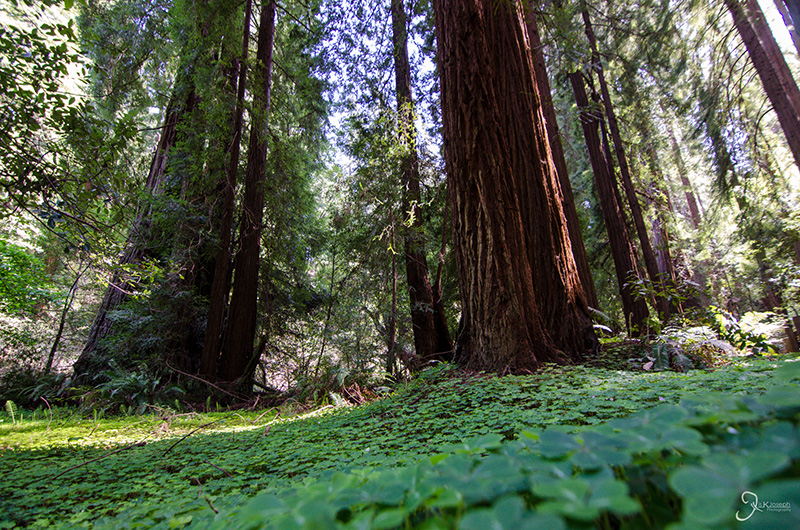
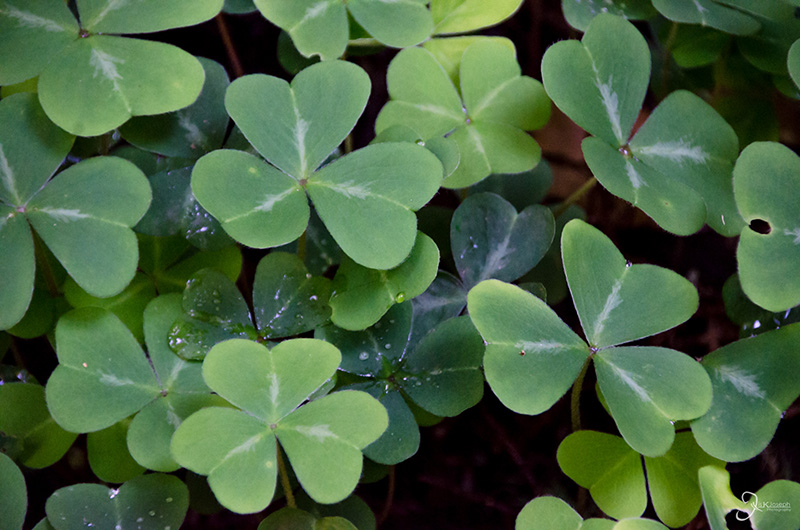
The ground was blanketed by clovers and ferns.

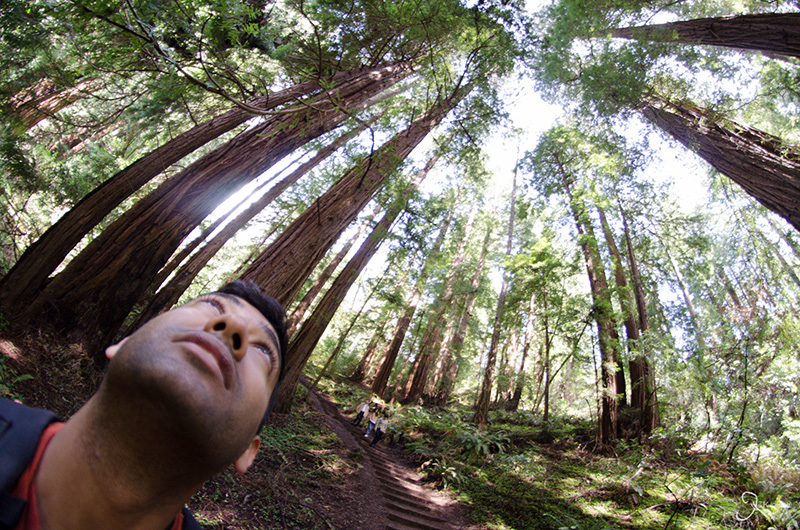
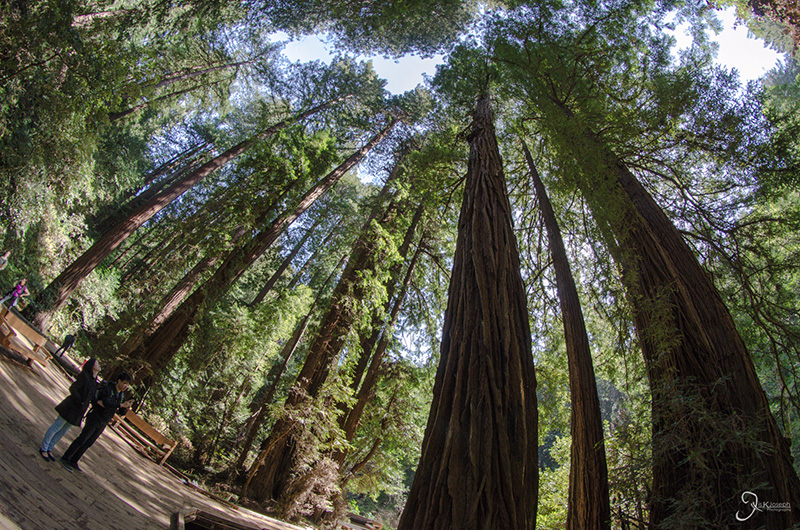
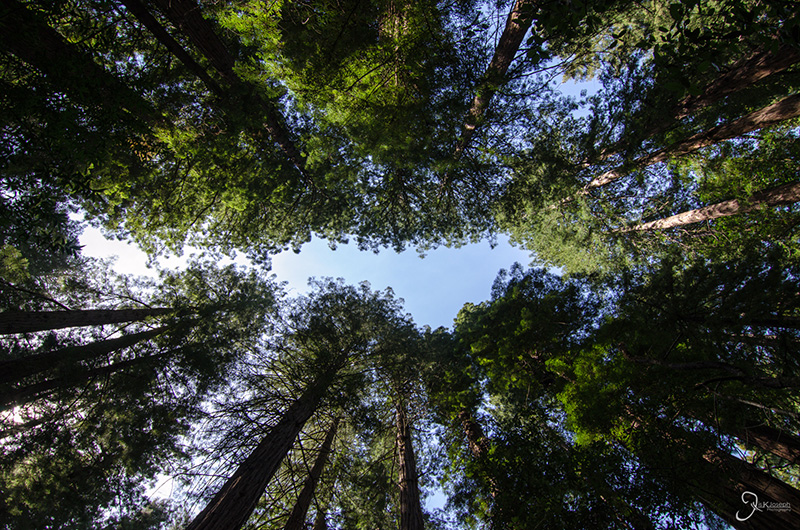
Again, the fisheye lens came in handy to fit the tall trees in the frame.

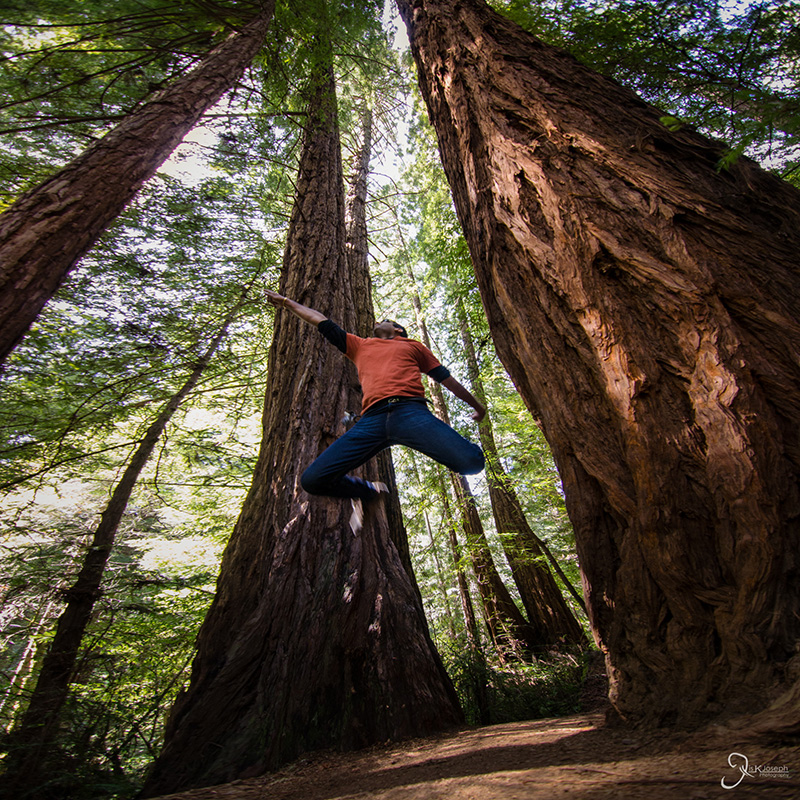
I had a little fun taking this shot.

Compared to the Giant Sequoias, the coastal redwood forests were much more dense.

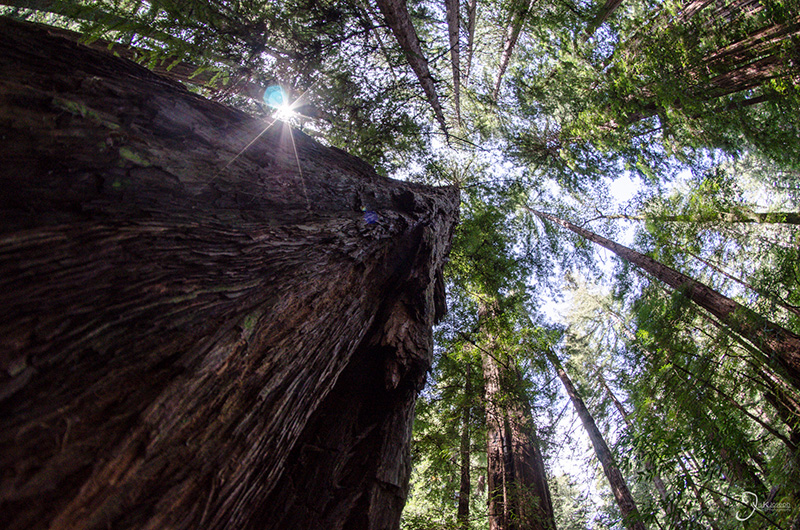
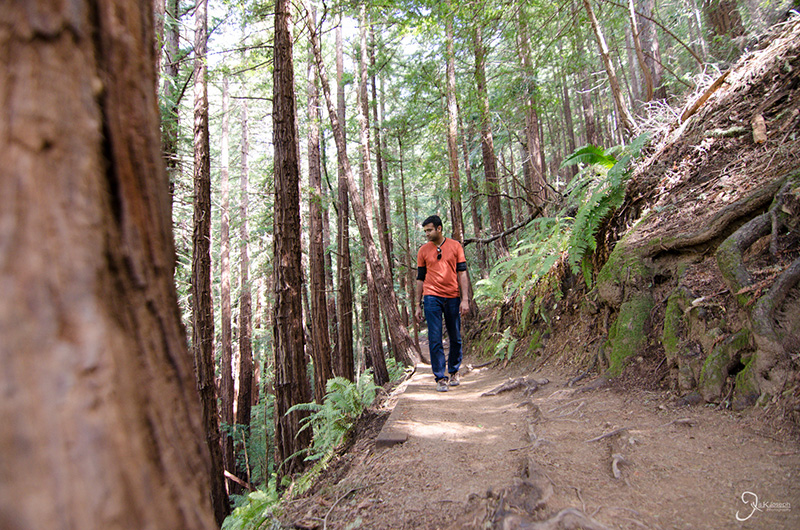
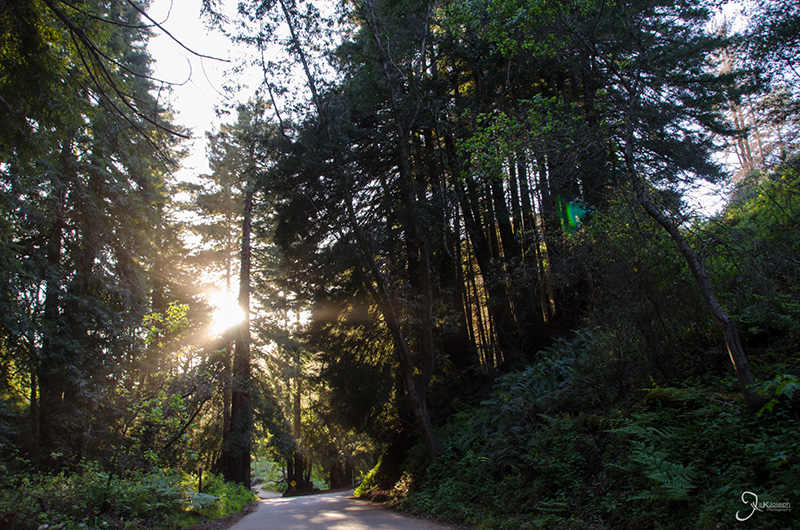
This is probably why they call them redwoods.

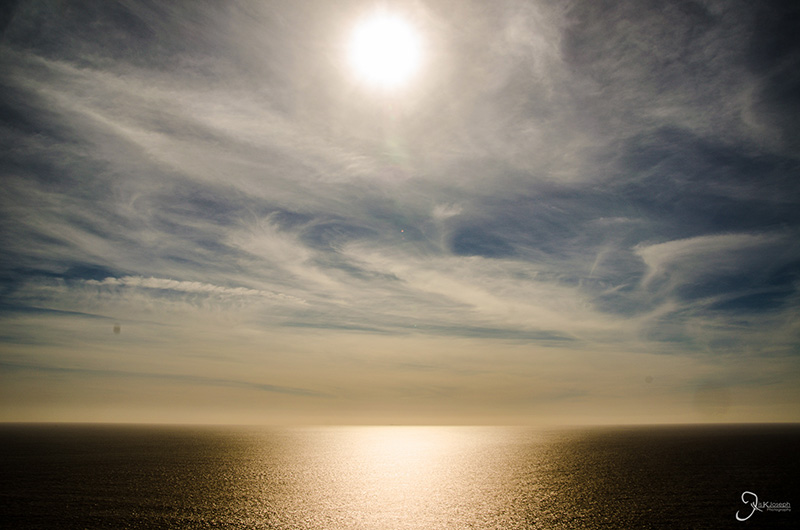
An ocean of gold for the Golden State.

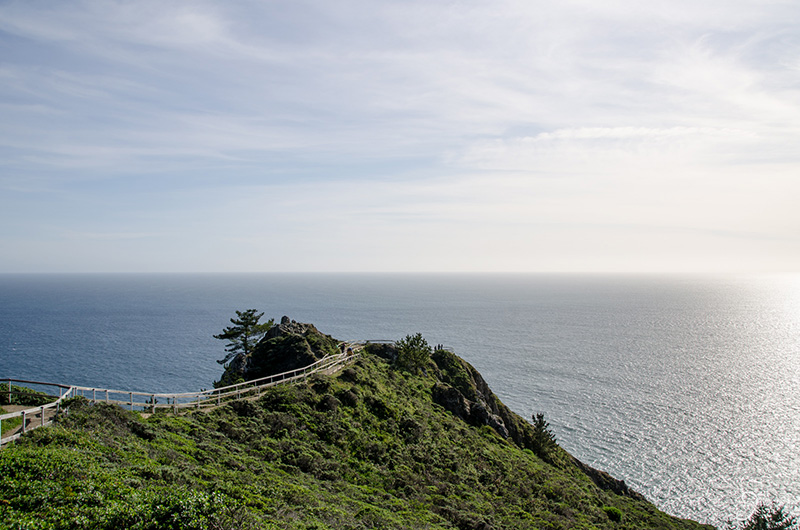
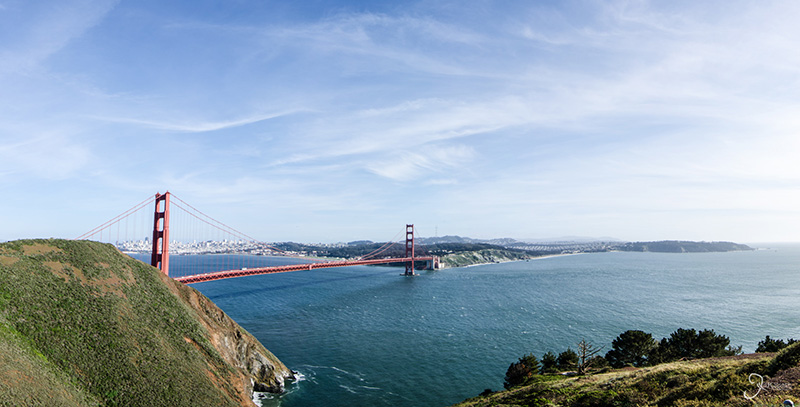
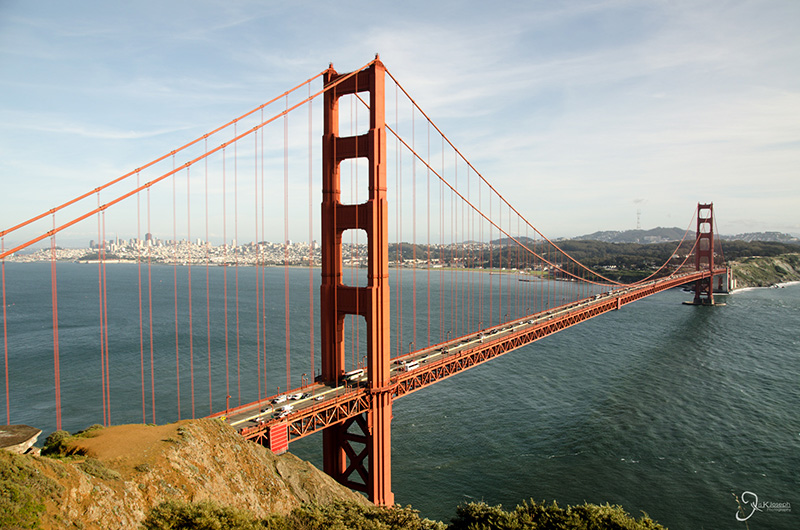
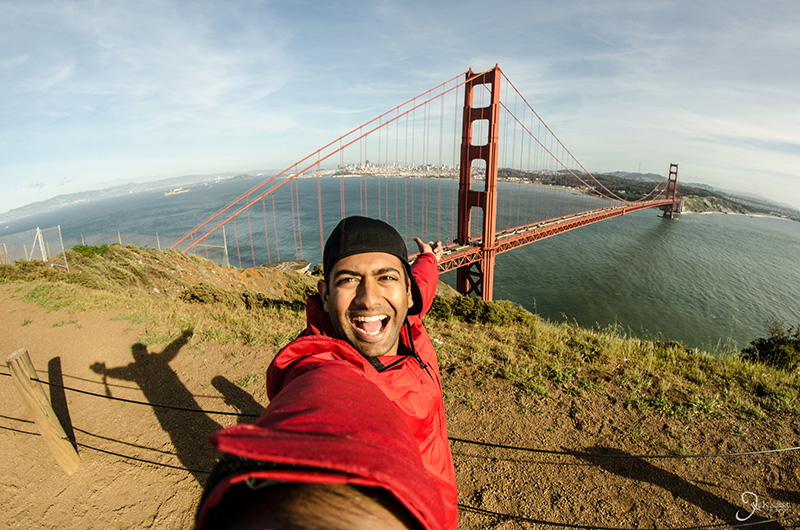
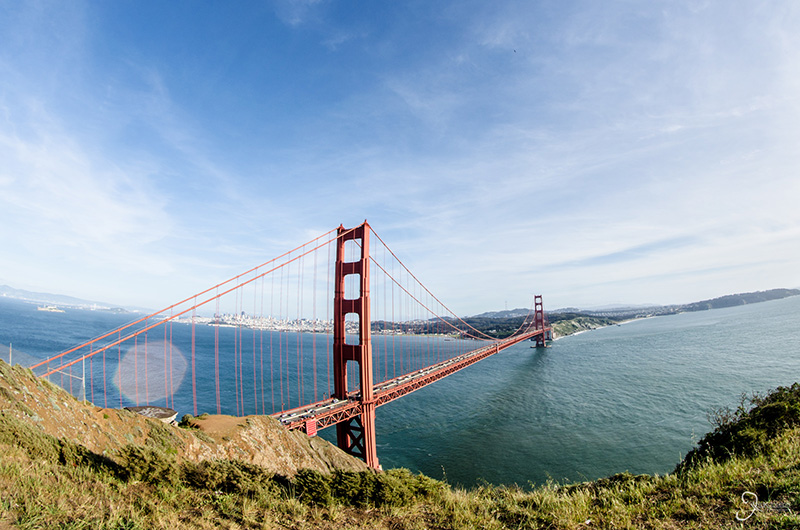
Muir Beach Lookout marks the furthest point of my trip. It is where I took my official U-turn and marks the begining of my return trip to the east coast. But there is so much of California I have yet to explore before I actually turn that way.

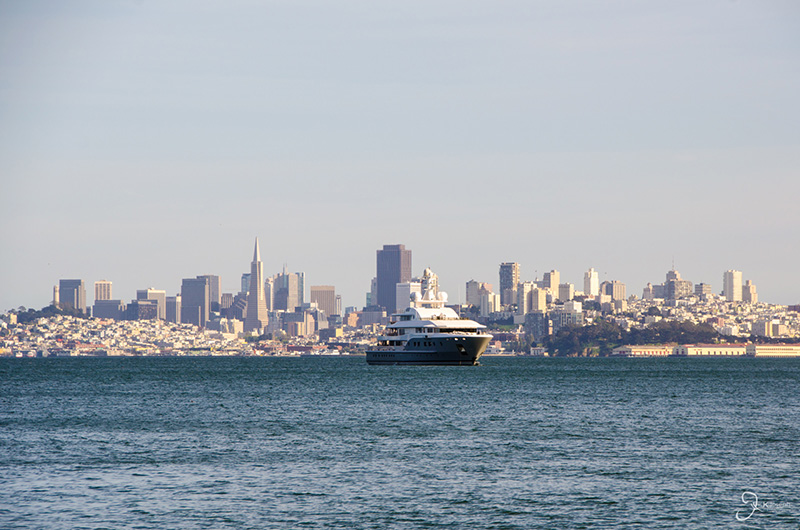
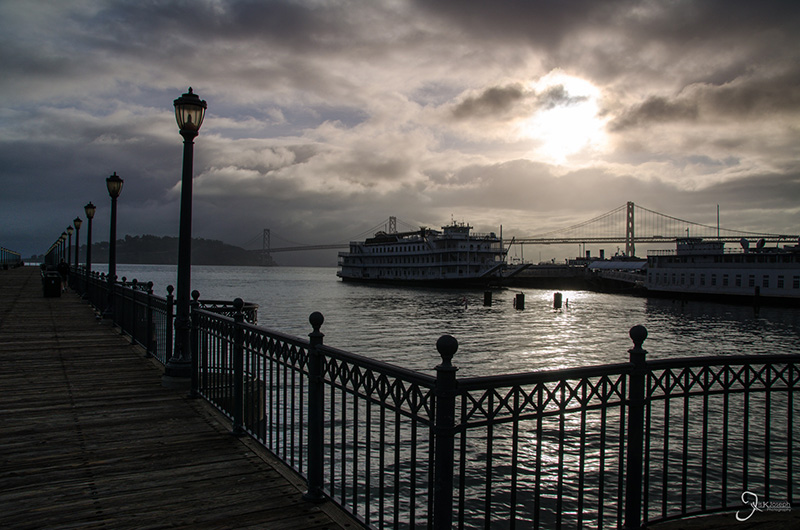
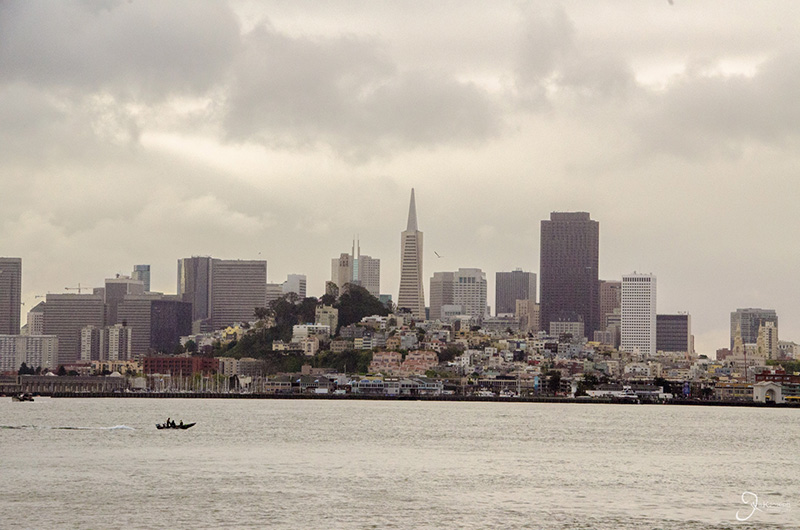
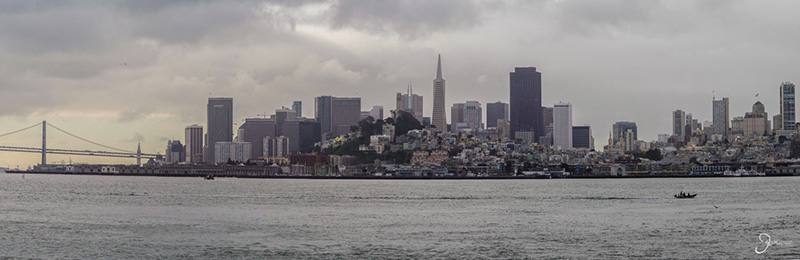
A view of San Francisco as seen from Sausalito

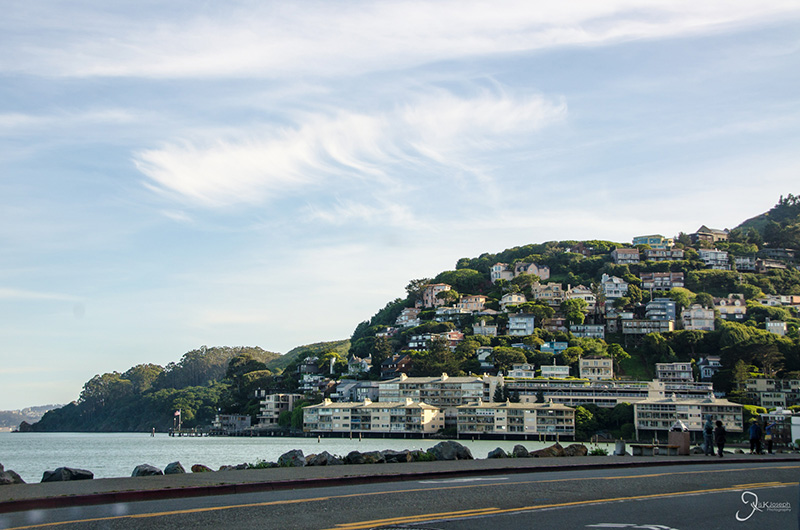
The very posh city of Sausalito, also known as the 1%.

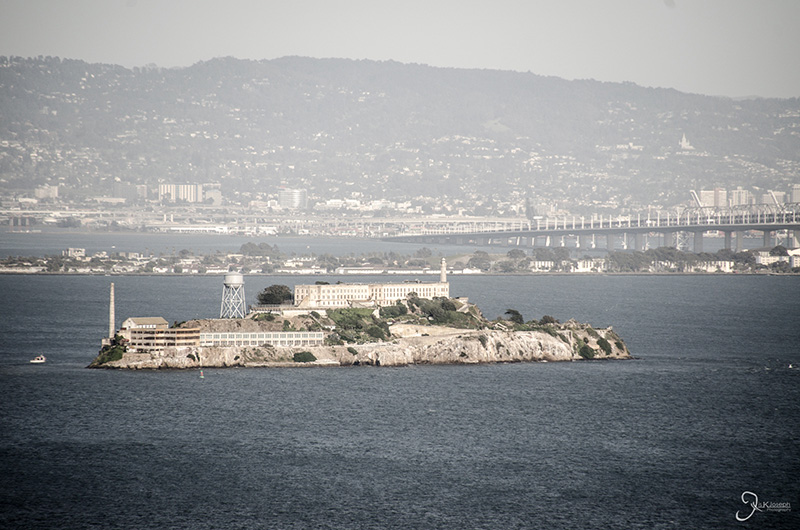
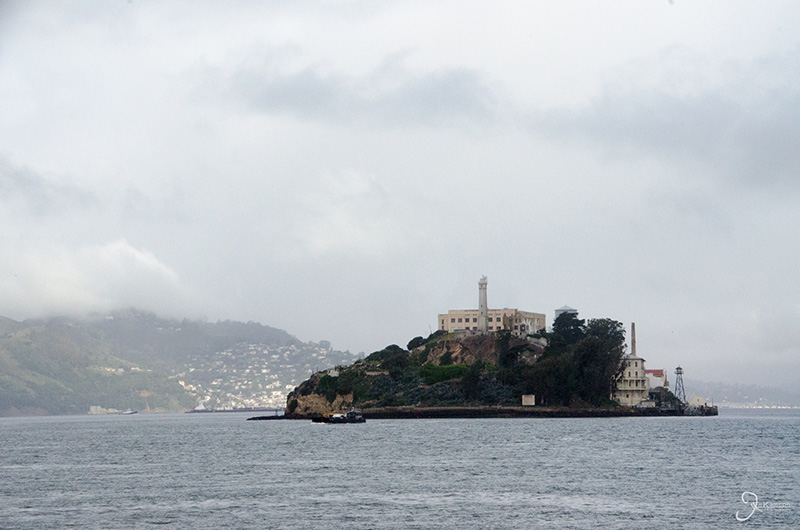
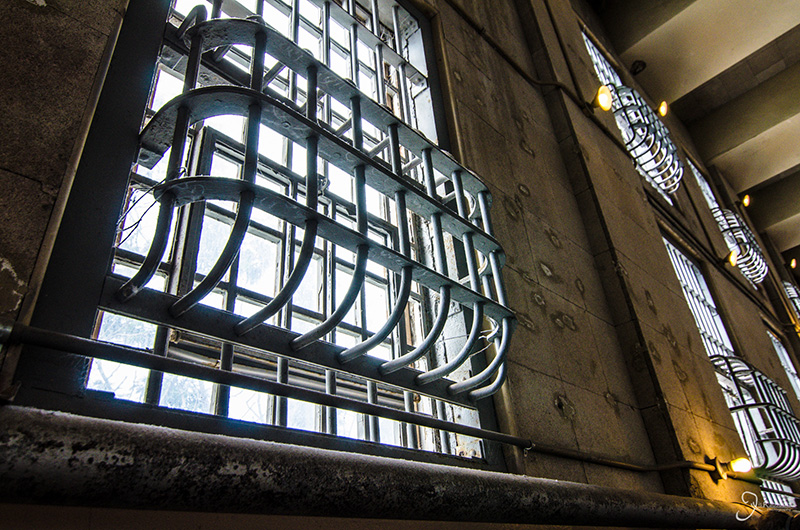
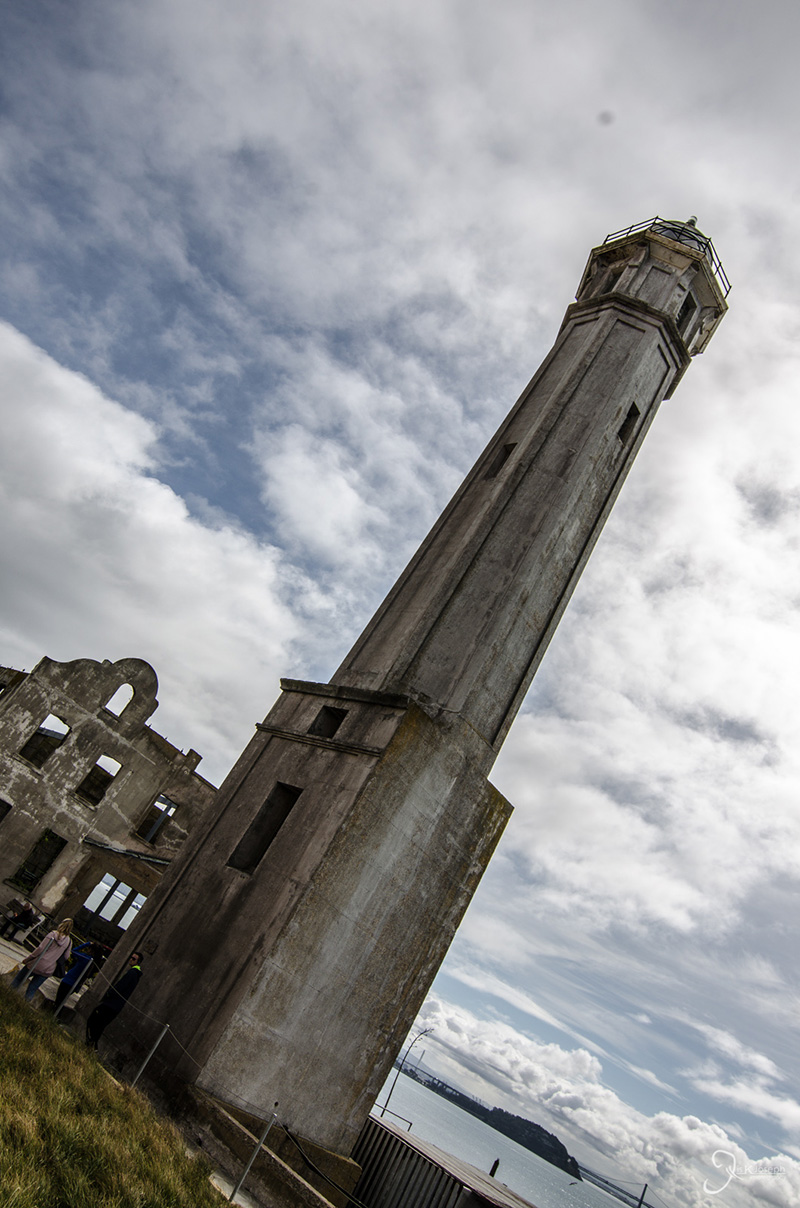
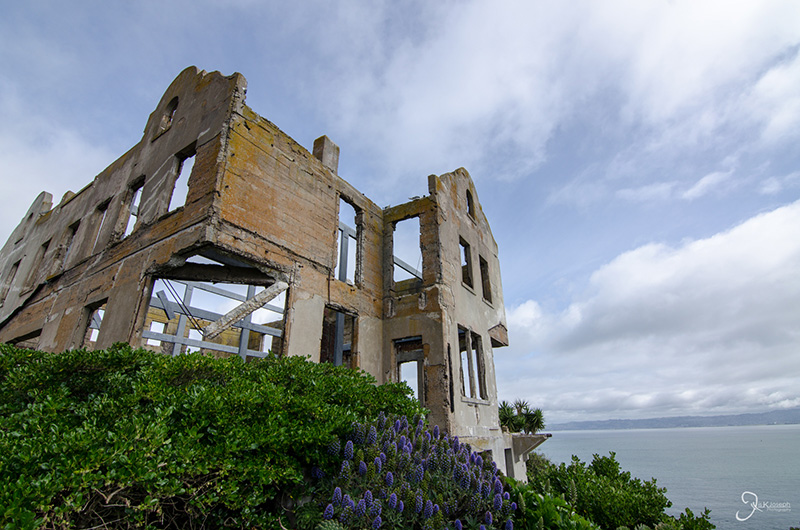
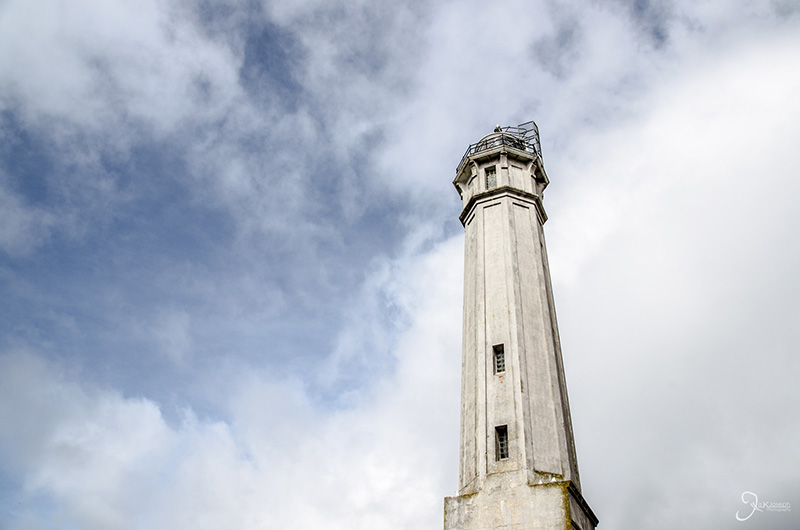
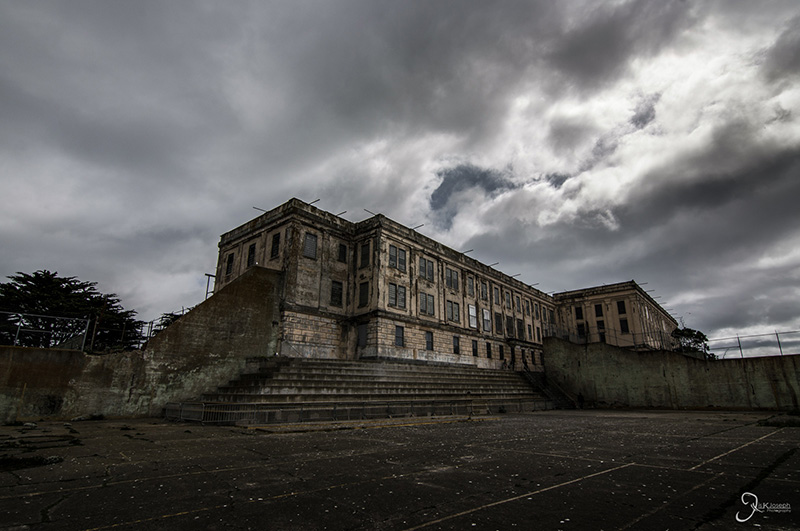
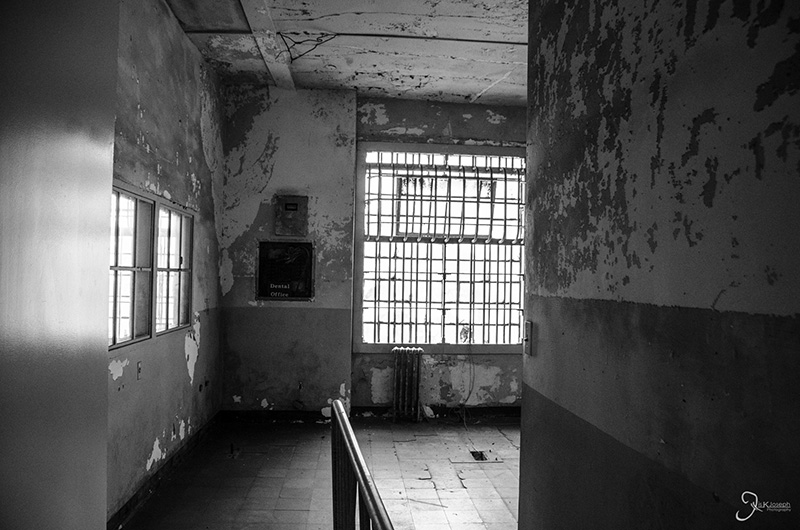
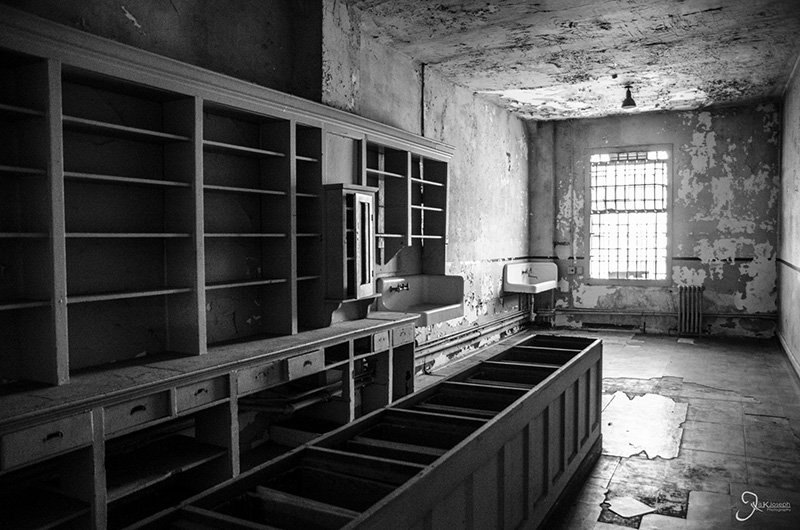
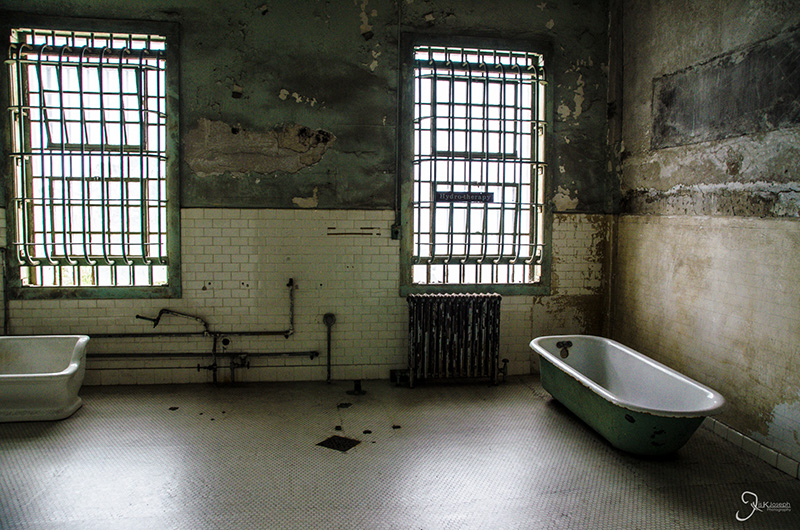
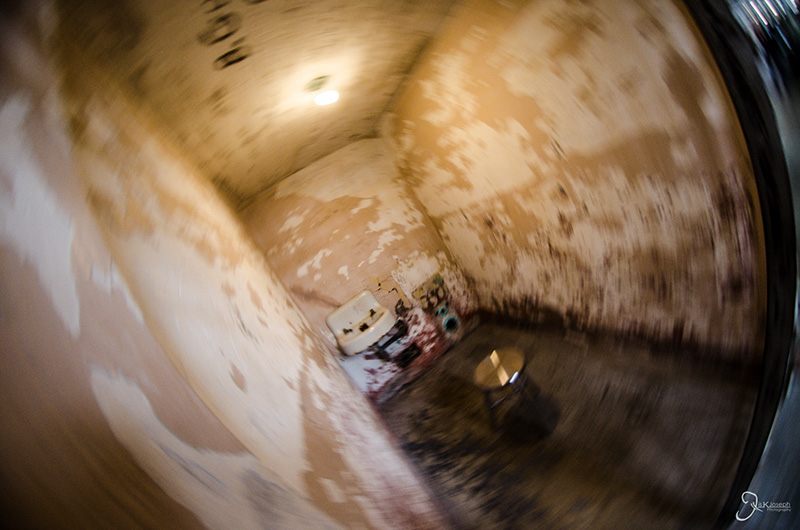
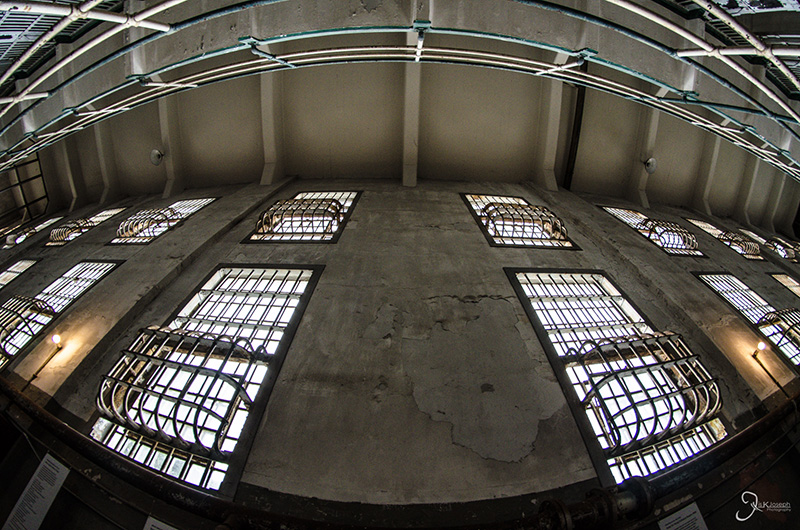
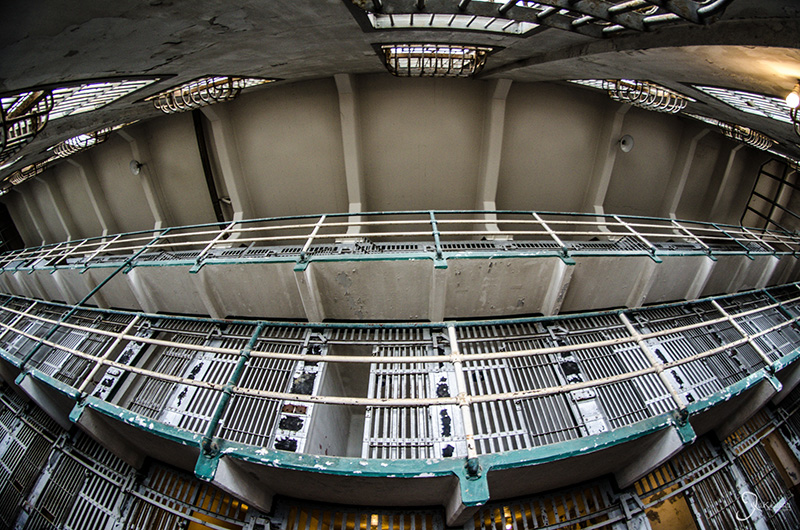
Alcatraz Island.
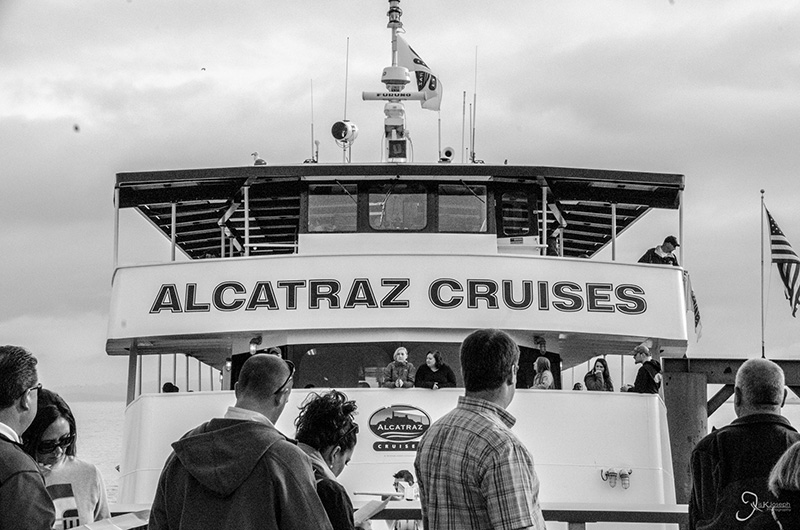
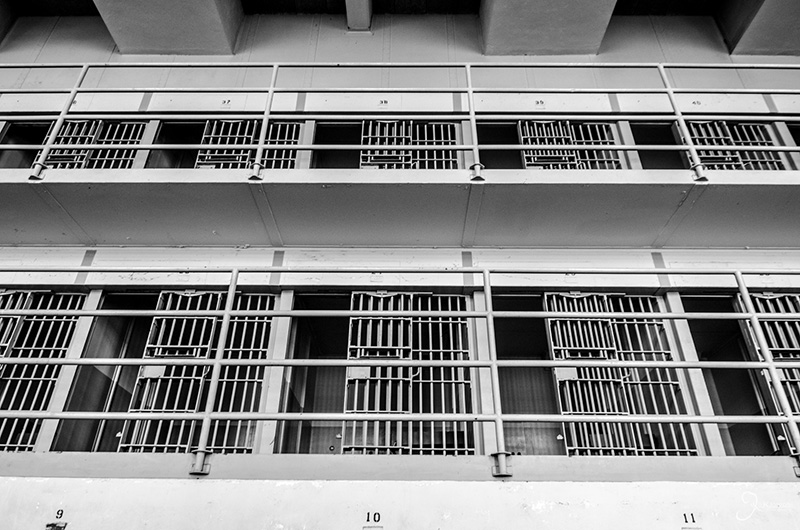
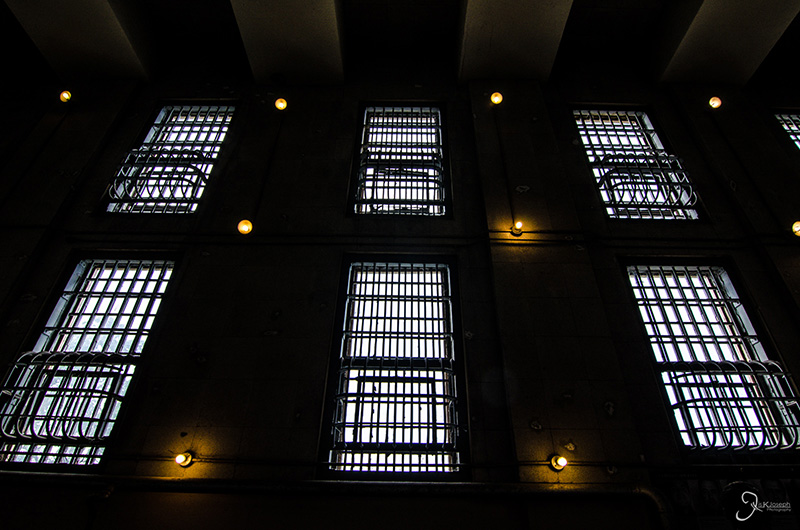
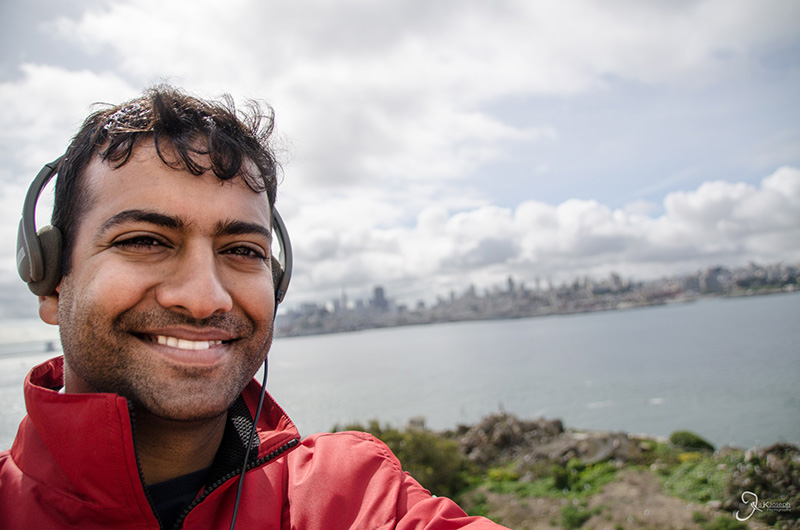
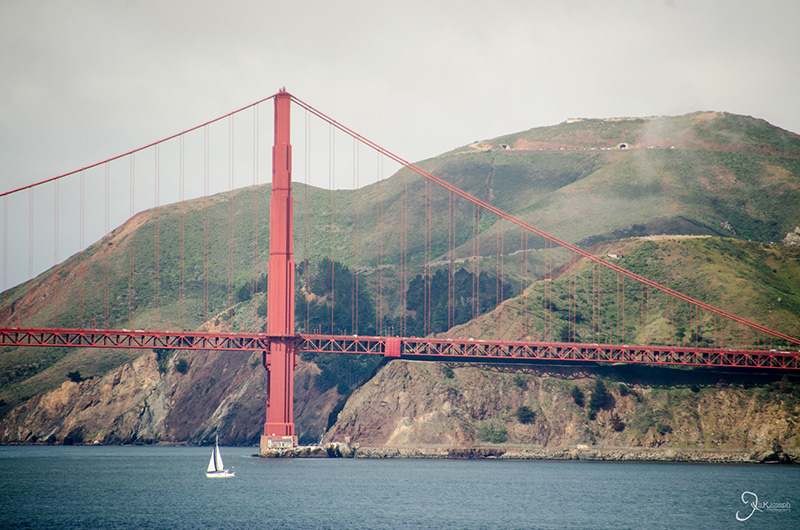
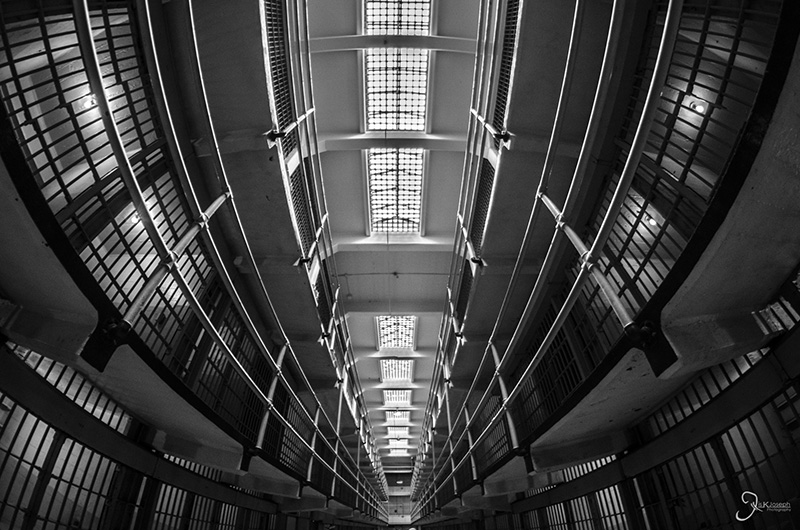
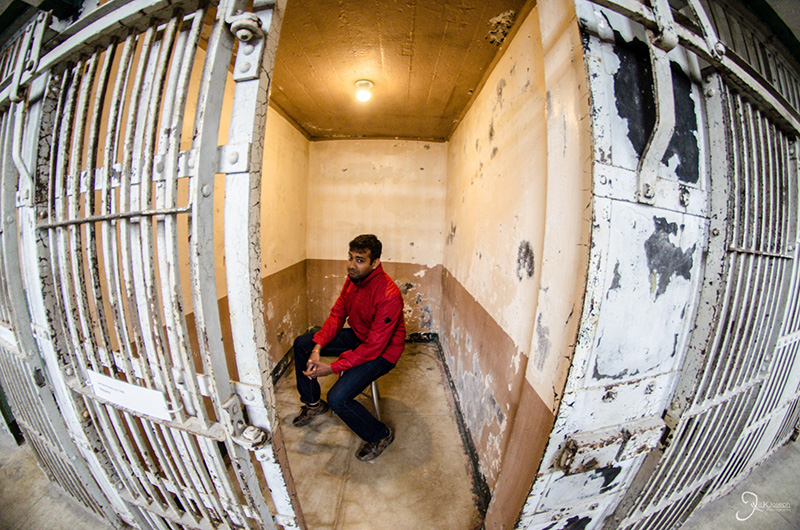
Alcatraz Island was not a place I had planned on visiting before I embarked on my trip, but it was reccomended by several of my friends. I'd have to admit, although it wasn't the best thing I saw on my entire trip, the visit to the island was worth the time and money. The island has a bit of everything: history, beauty, and one of the best ways to view the bay area.

This is racism.

This is what I had imagined visiting Alcatraz island would be like. Not surrounded by a beautiful botanical garden.

The streets are a little safer today.
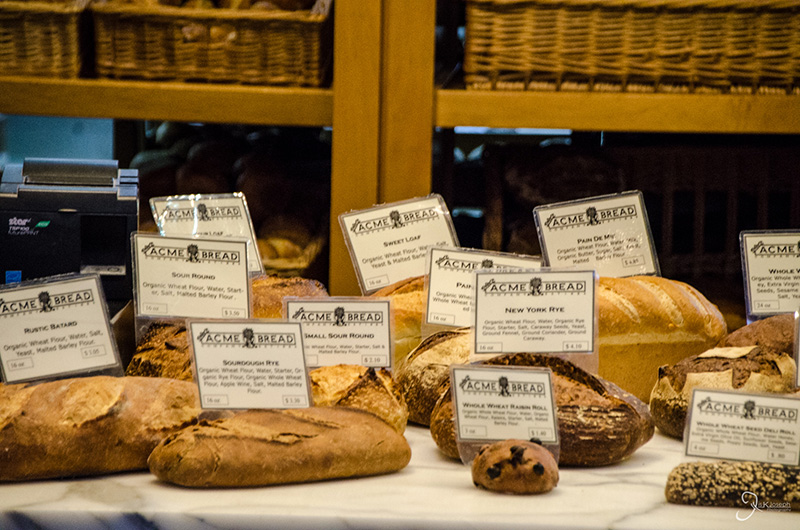
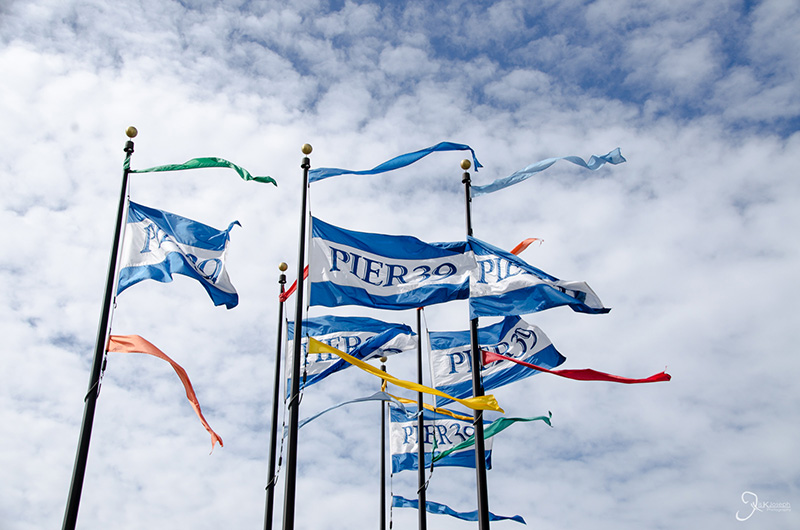
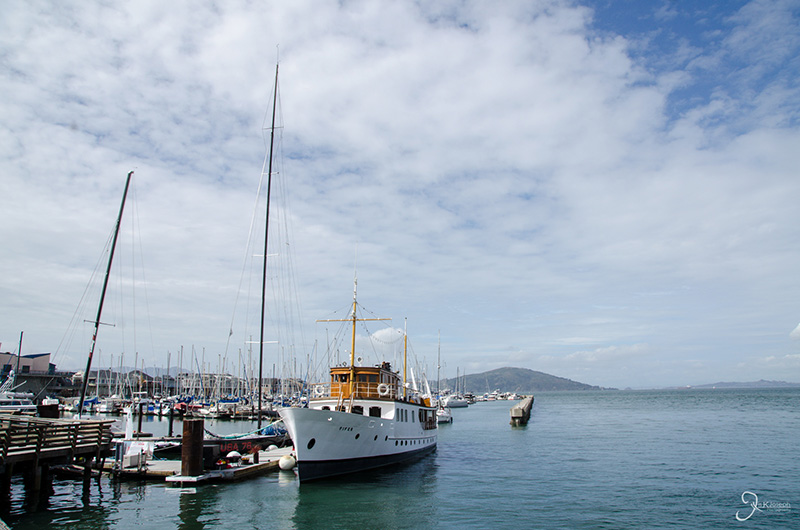
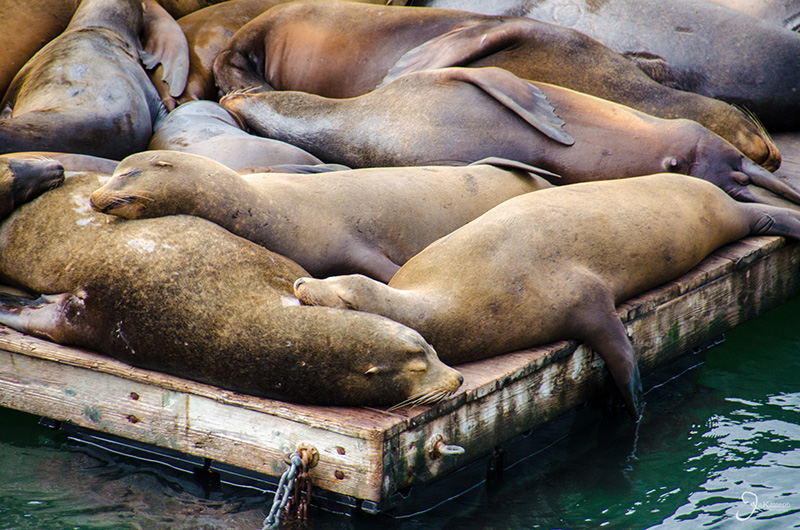
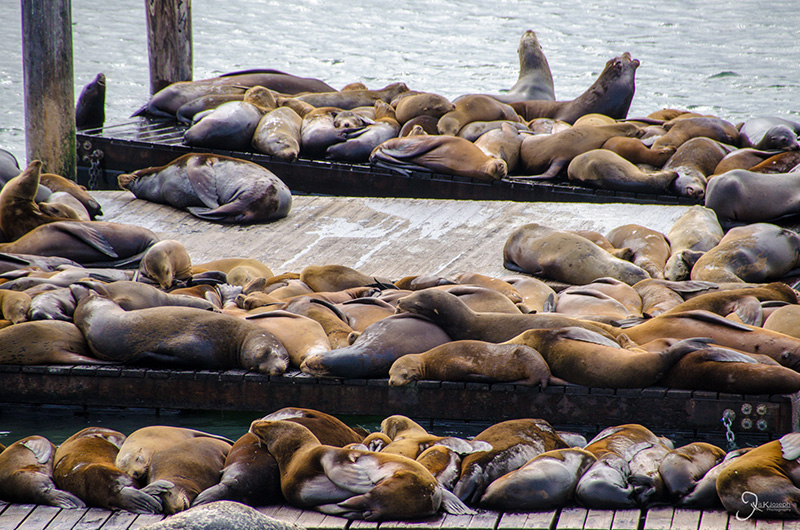
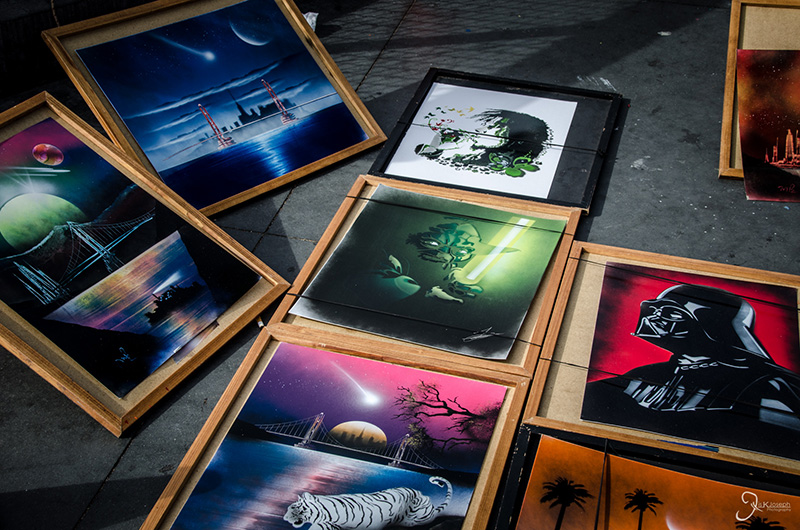
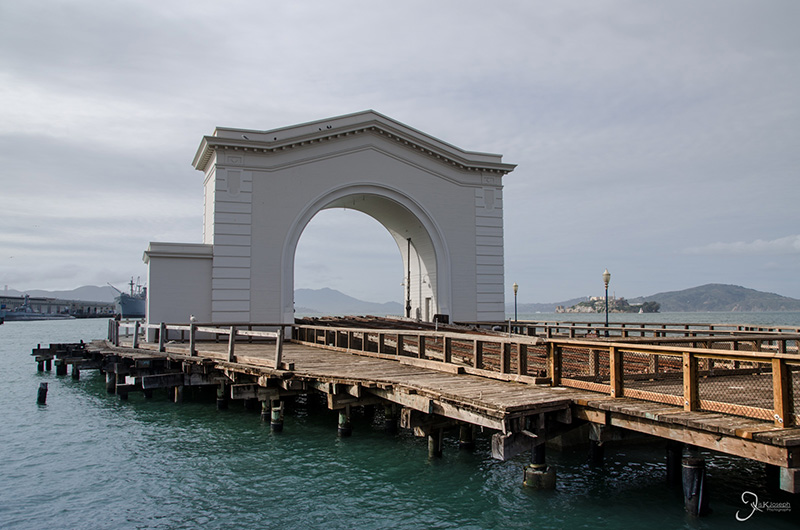
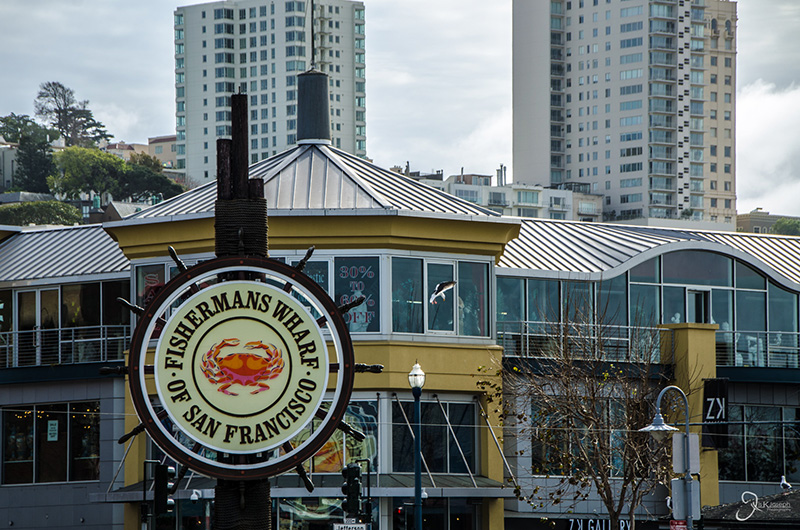
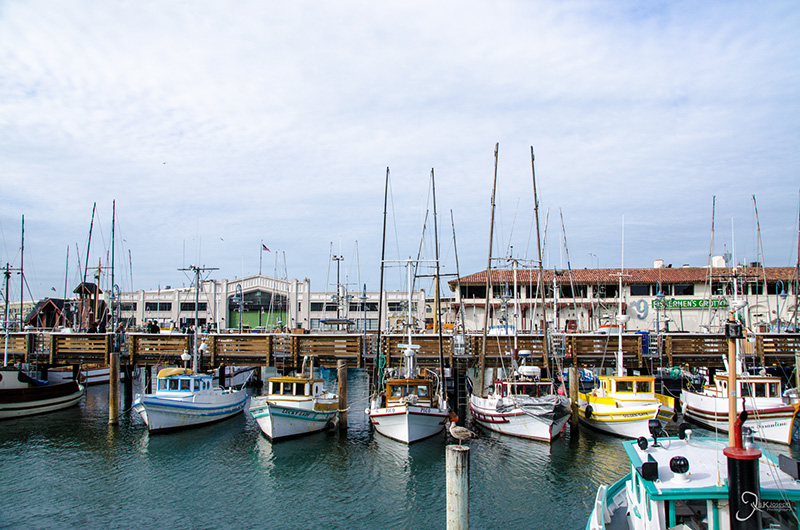
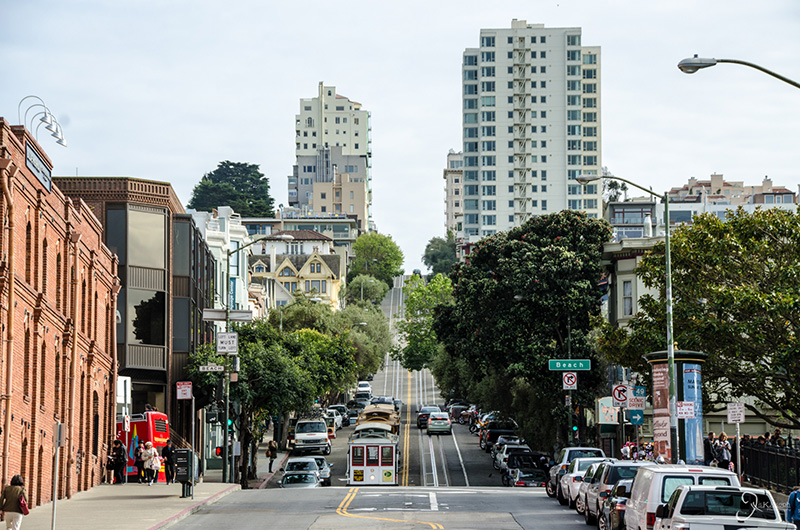
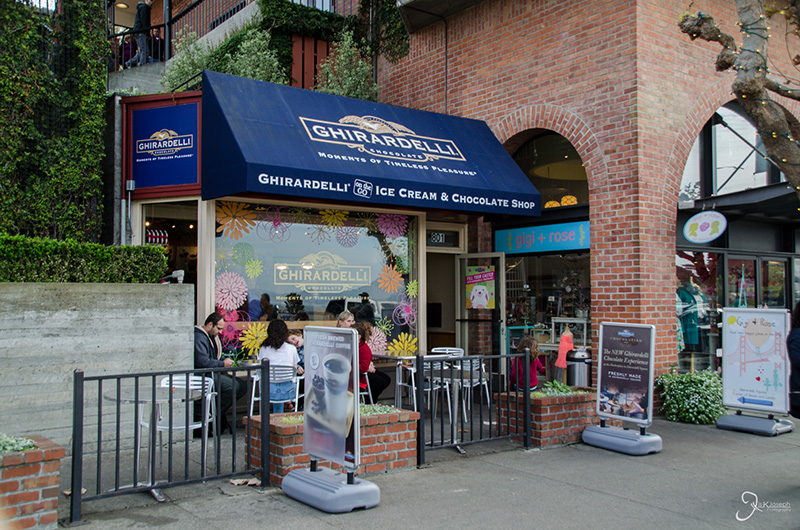
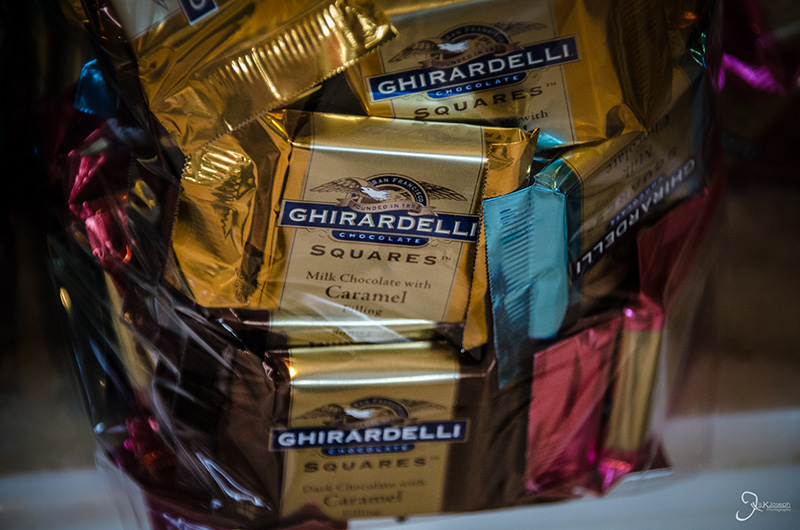
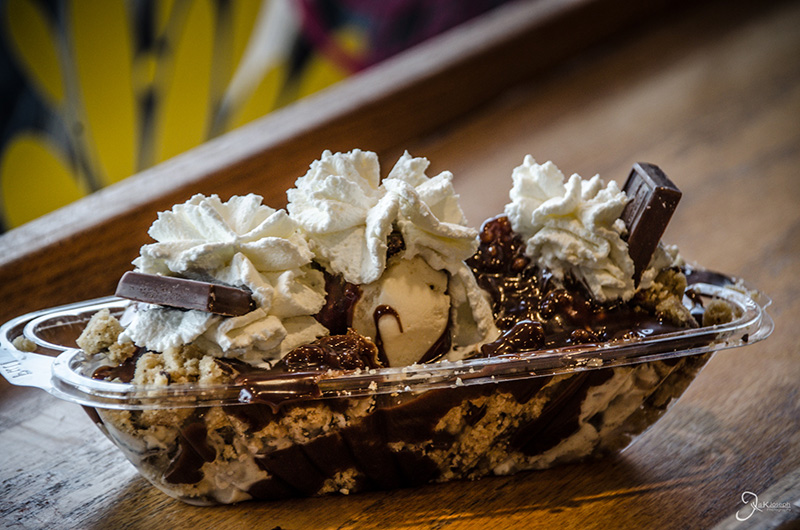
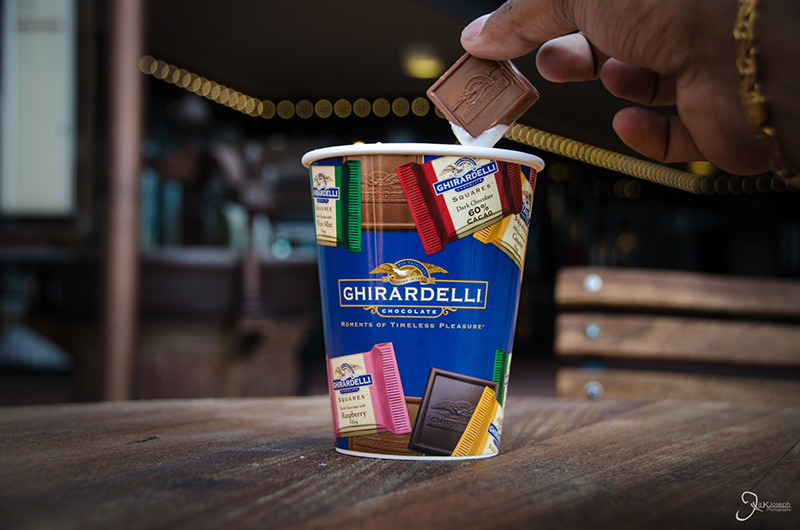
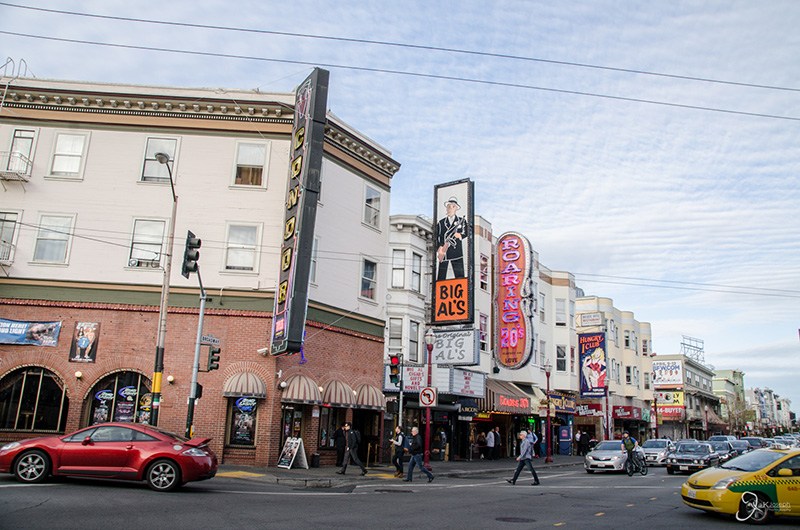
Although you could spend a week in San Francisco and not run out of things to see, Fisherman's warf was one of the few things I could fit in my short schedule. The area is San Francisco's tourist mecca, with lines of shops, restaurants, sea lines, and Ghirardelli chocolate.

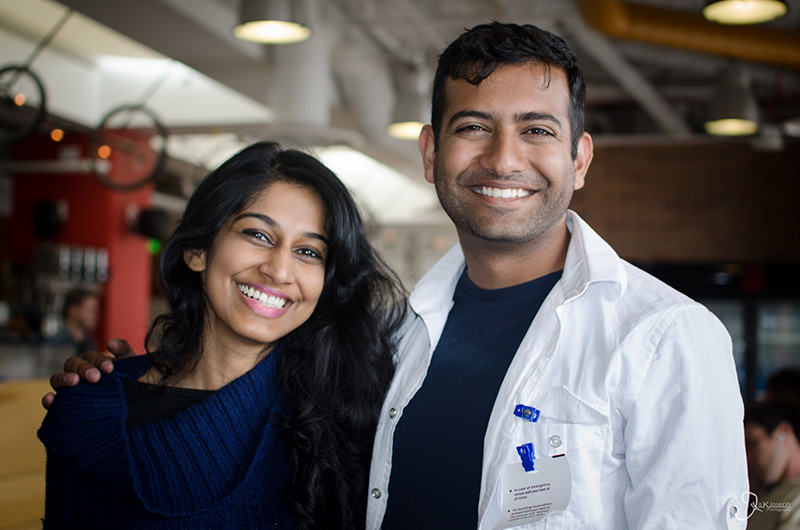
After not seeing each other in nearly 13 years, my second cousin recognized me walking aimlessly on the downtown San Fransisco streets as she was riding a bus. After some identity verification, she treated me to a healthy lunch at her work on Google's Campus. This was probably the most random encounter in my life. The world truly is small.

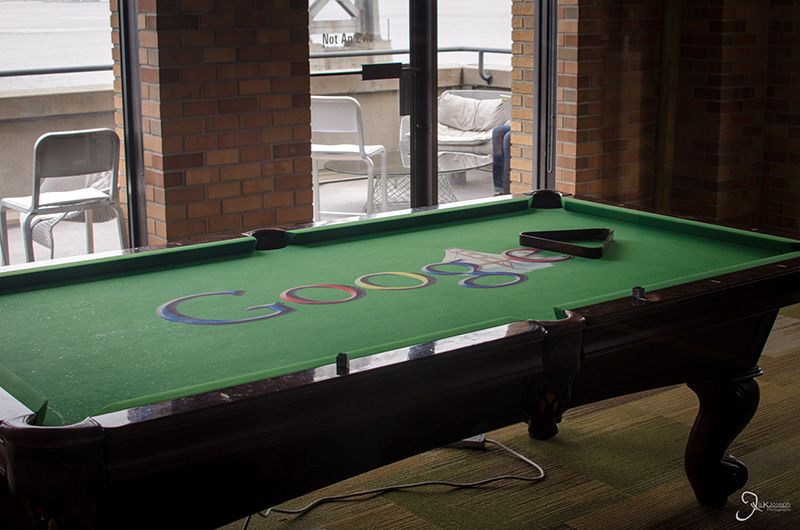
The Google Pool Table!

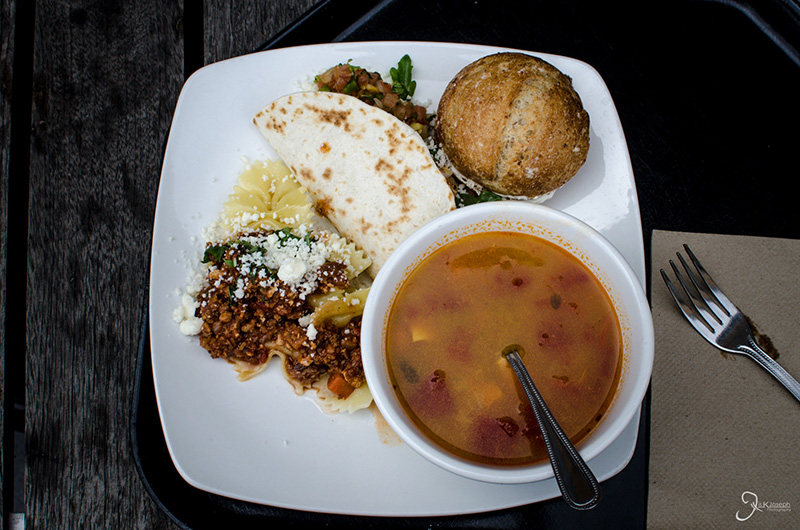
My very healthy Google meal!

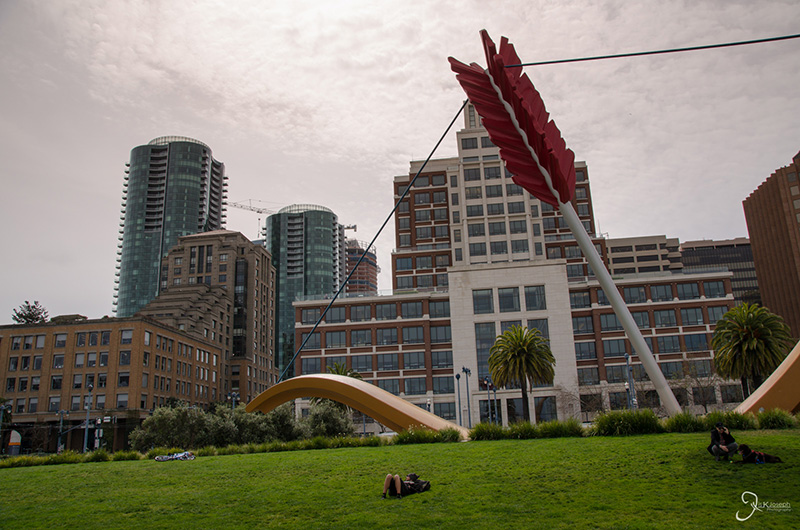
Where one of my best friends, Jonathan, proposed to his wife three years ago.

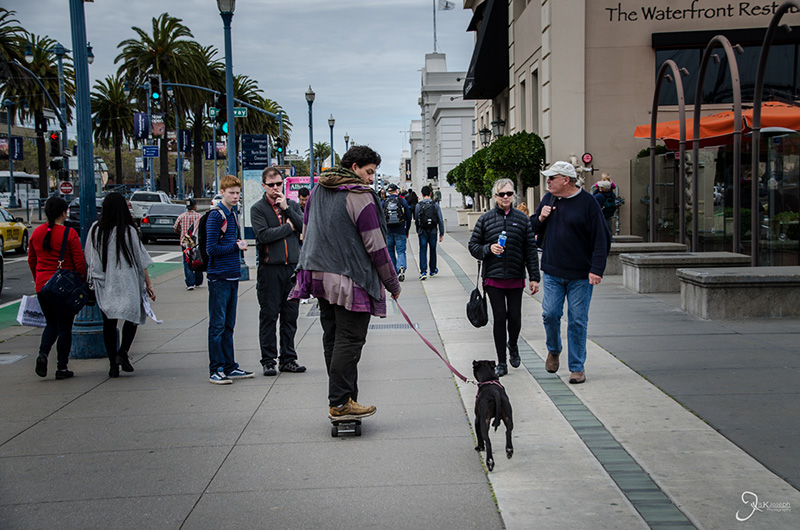
How lazy people walk their dog.

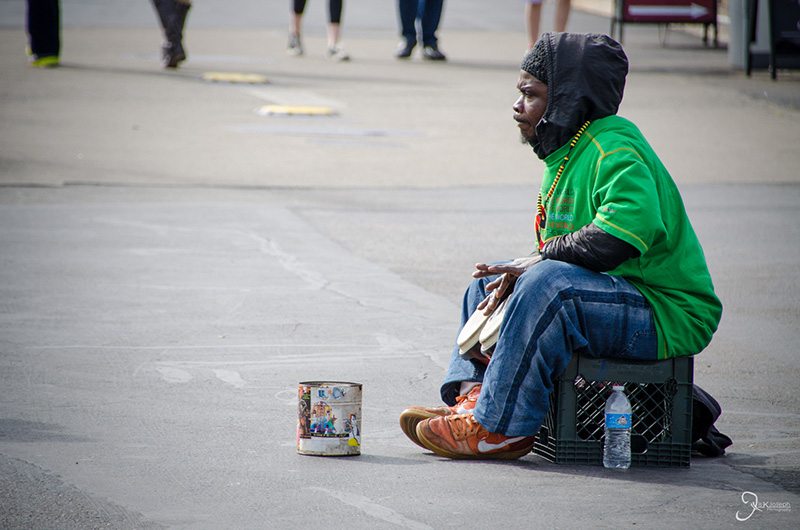
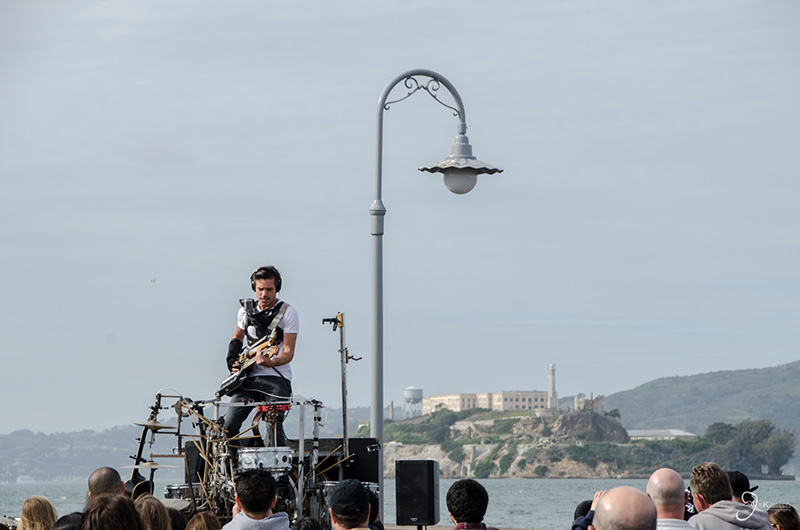
The one-man rock band in front of The Rock.

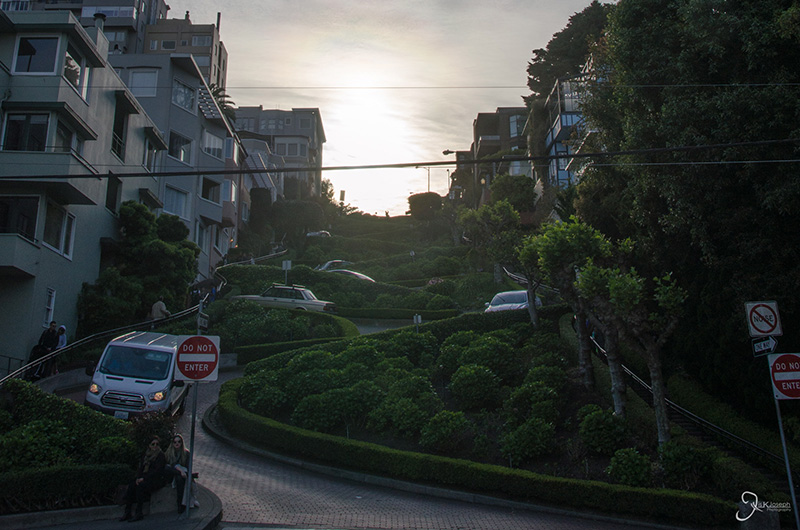
San Fran is always an uphill climb.

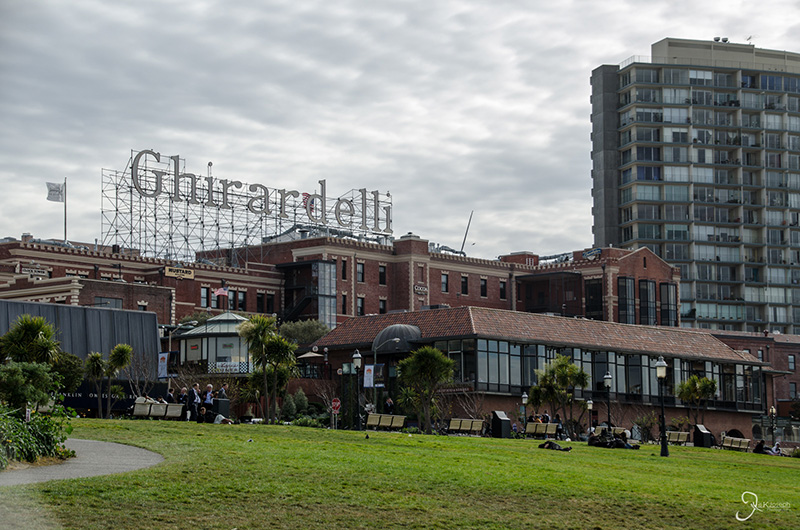
The world famous Ghirardelli Chocolate factory.

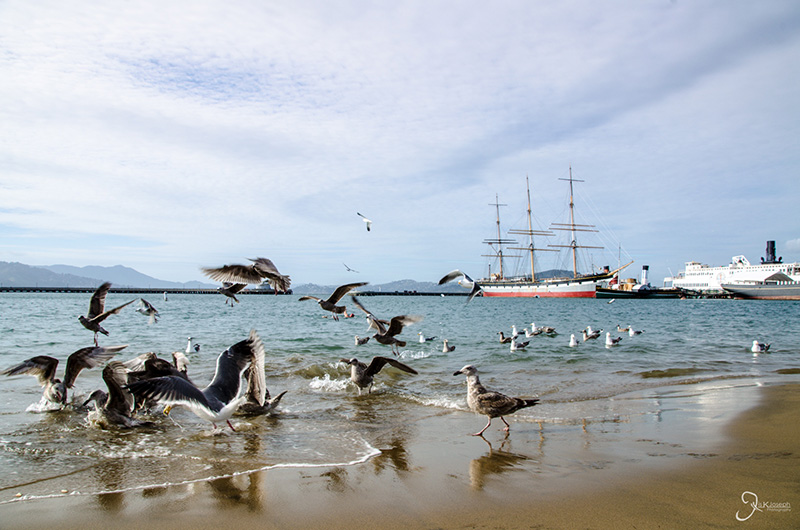
Grab a chunk of sand, sniff it as if it were a handful of potato chips, throw it in the water, and get a shot like this.

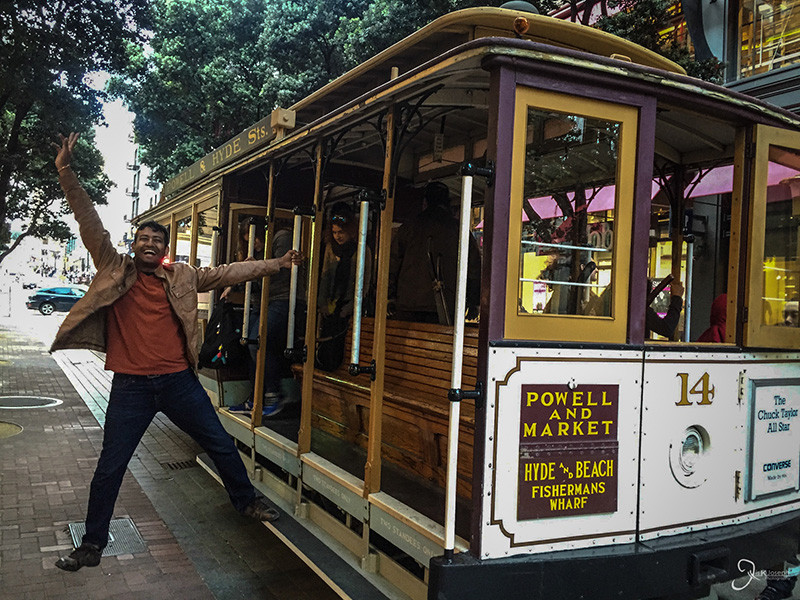
Lombard Street.

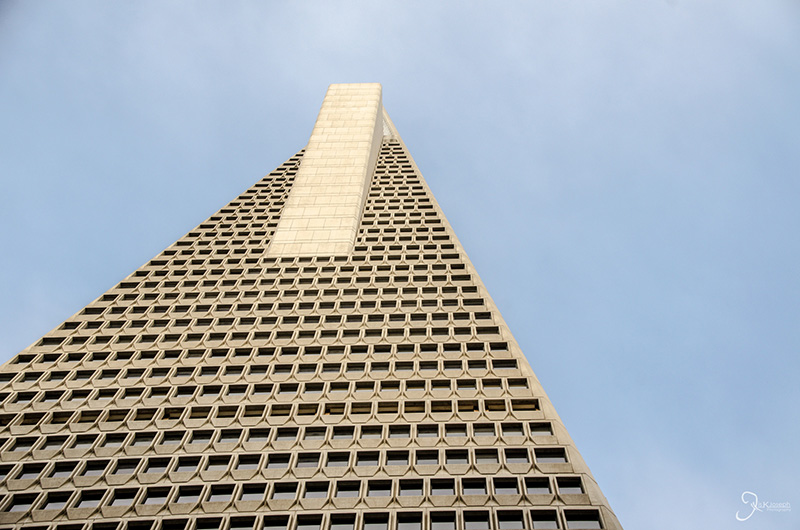
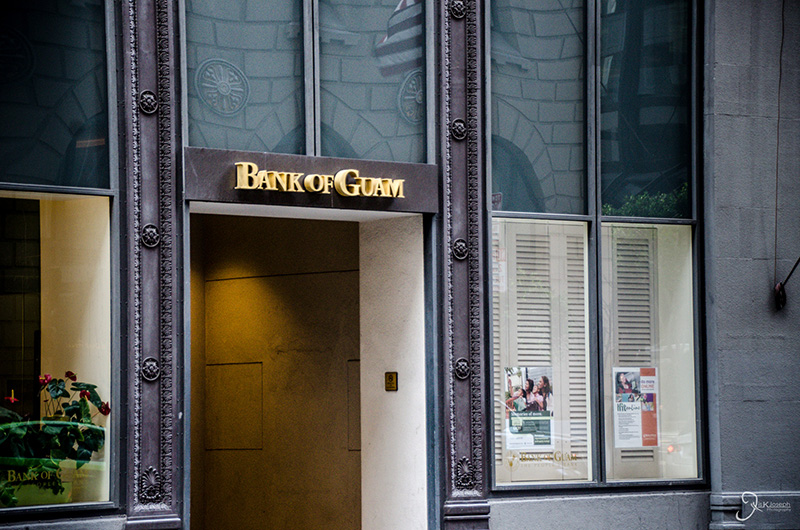
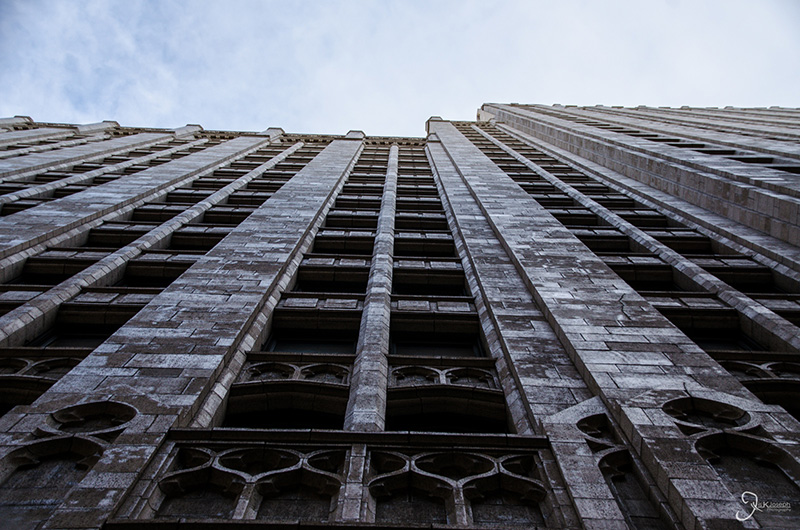
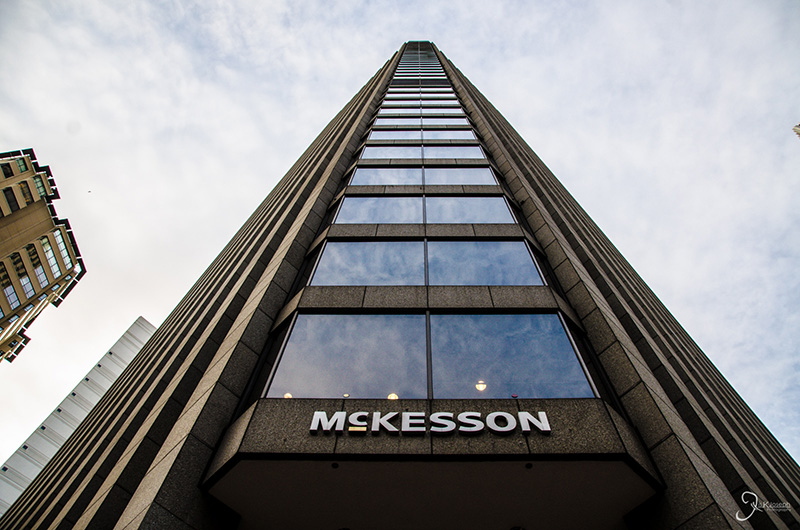
The year I started pharmacy school was also the year I was in Guam studying for my pharmacy school entrance exam. Roughly four years later, I've finished with school, doing a cross country road trip until I graduate and I come across a reminder to my 5 week stay in Guam.

To my pharmily, I present to you McKesson's corporate headquarters.

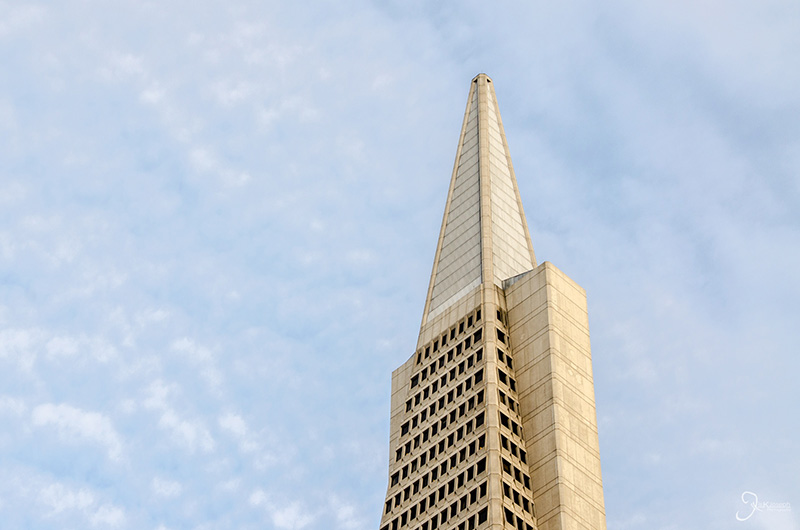
This photo screams out tourist!
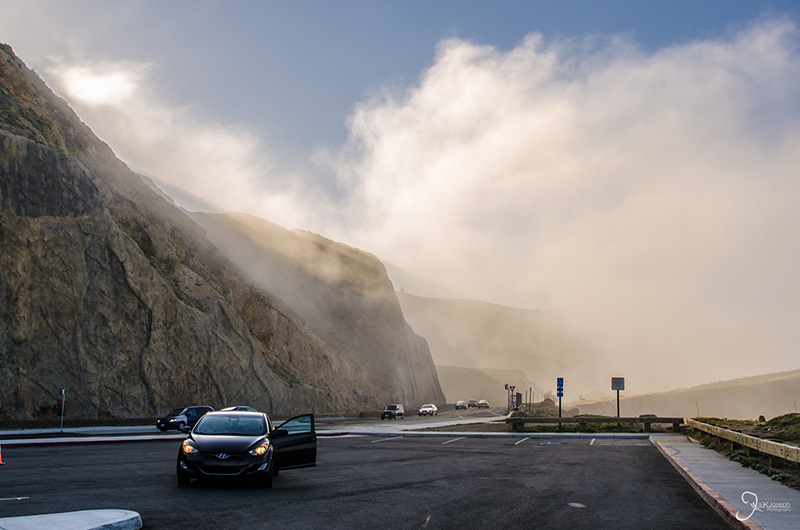
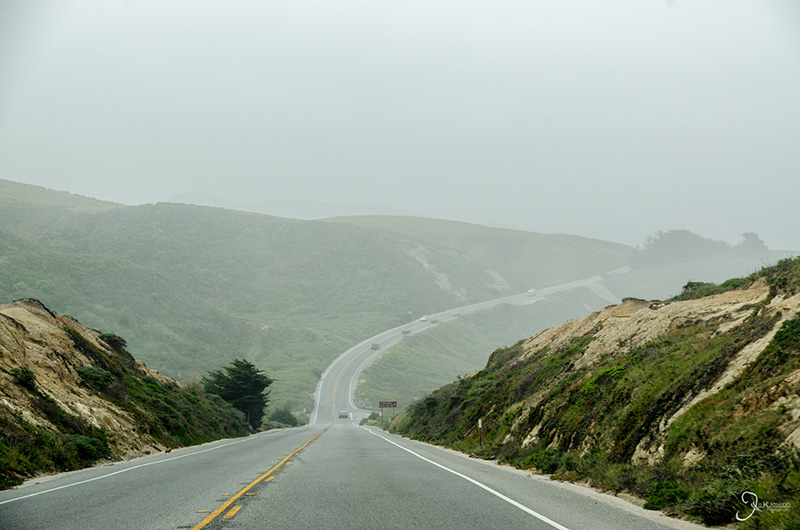
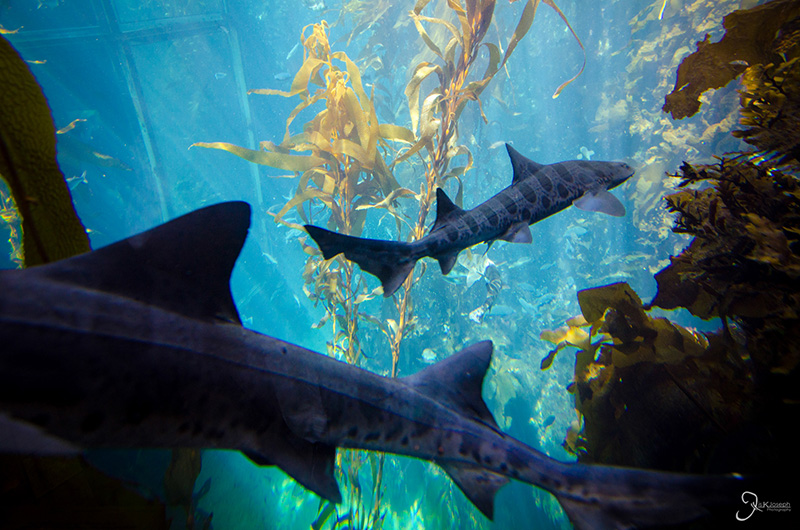
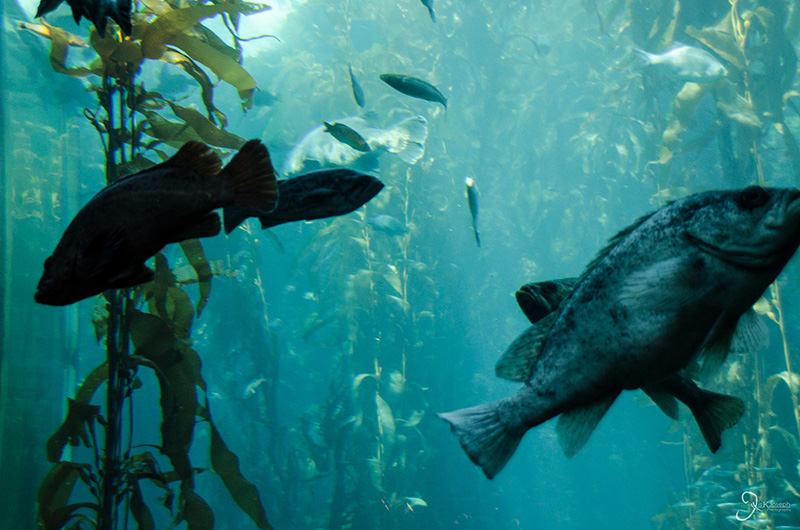
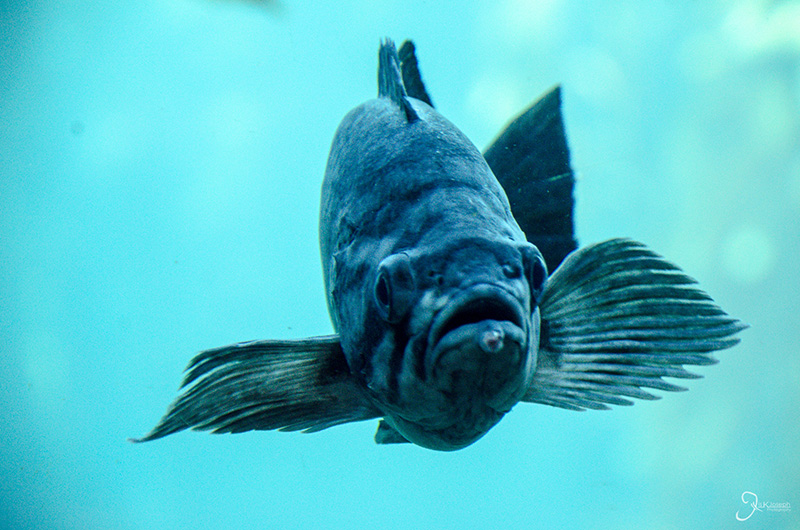
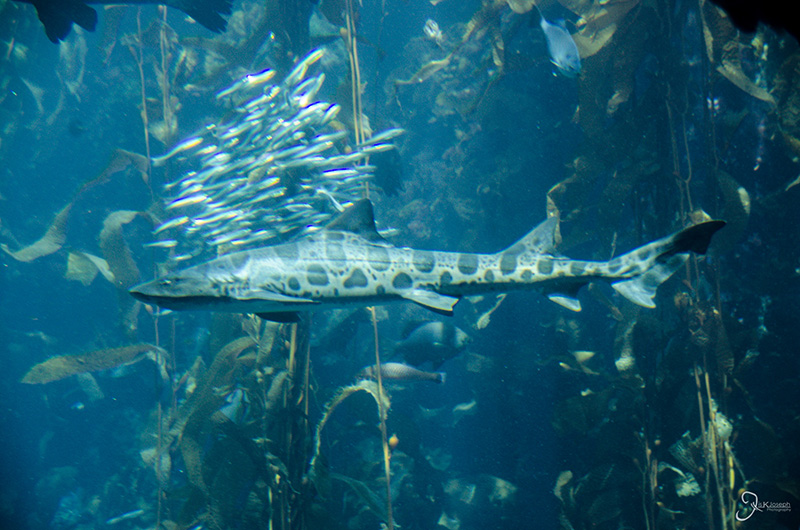
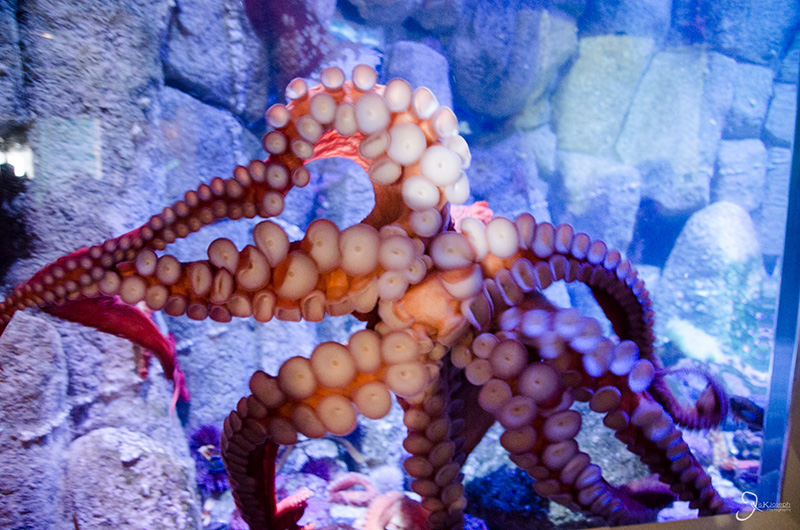
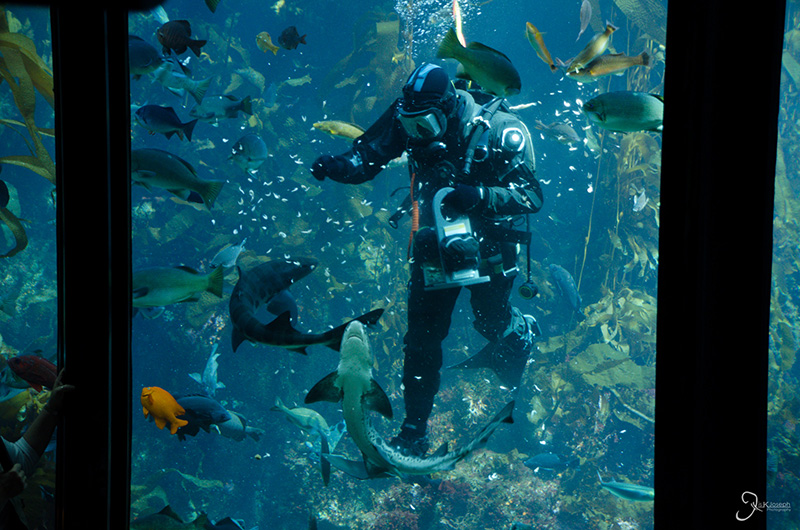
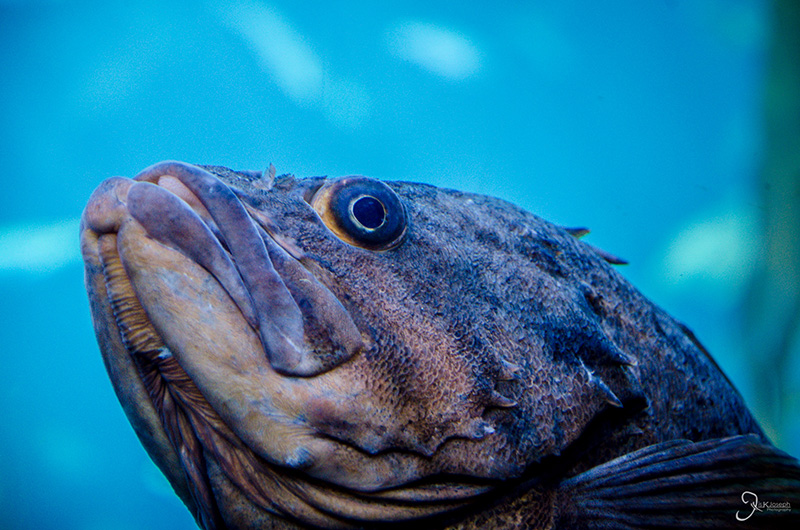
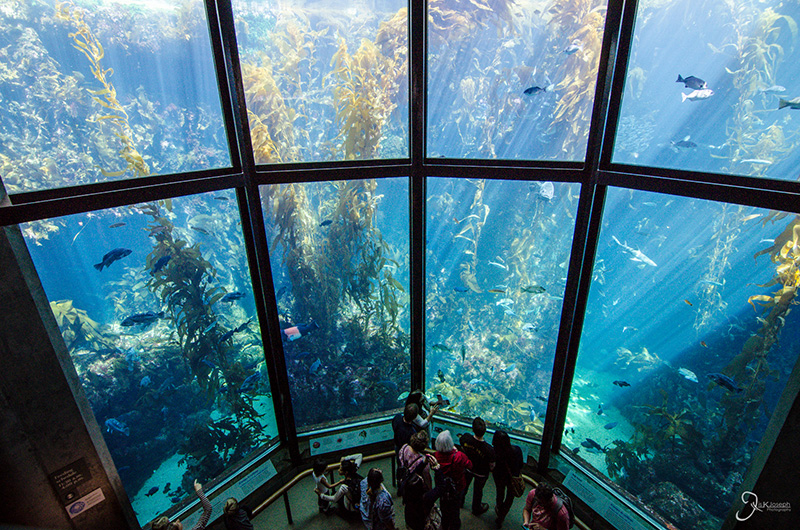
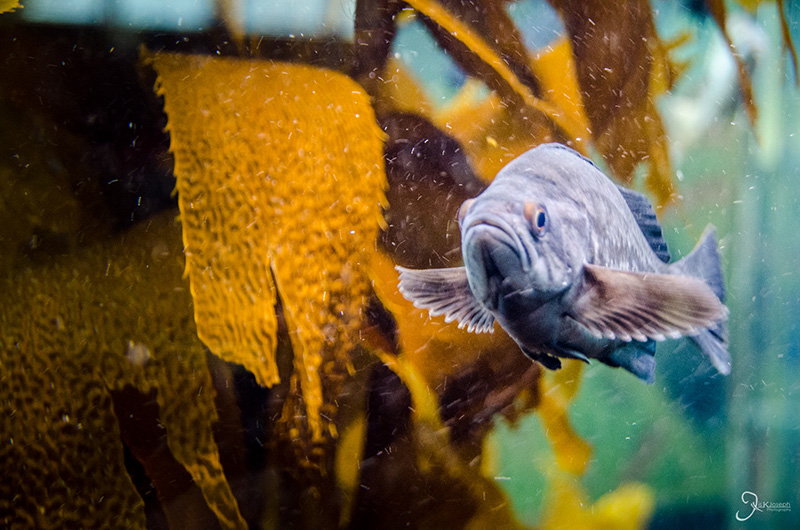
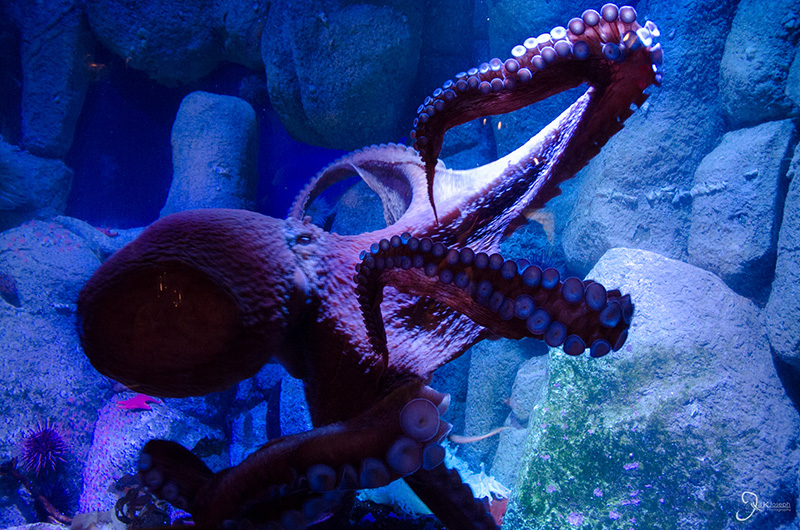
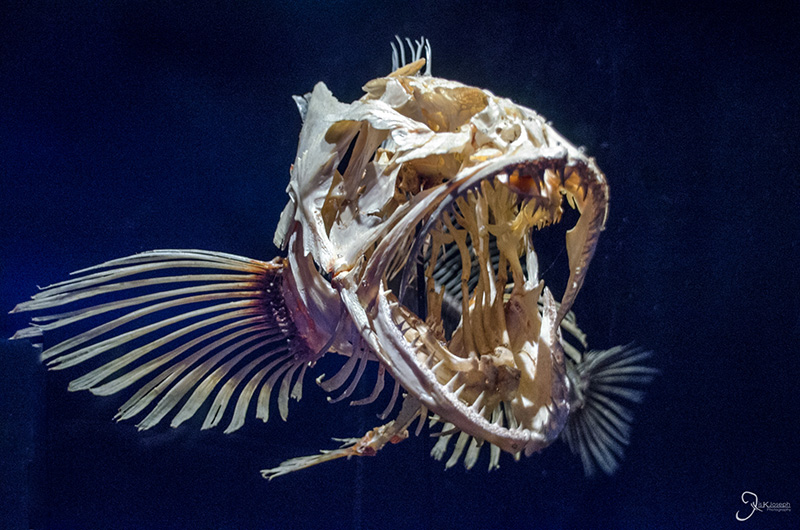
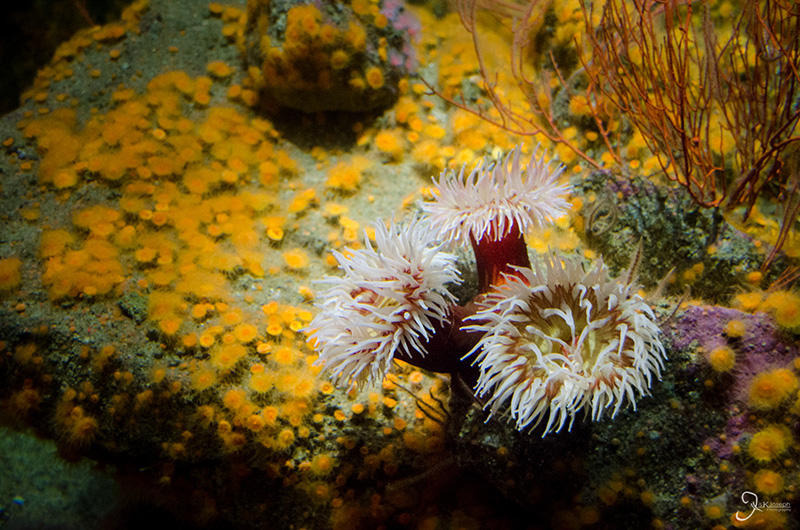
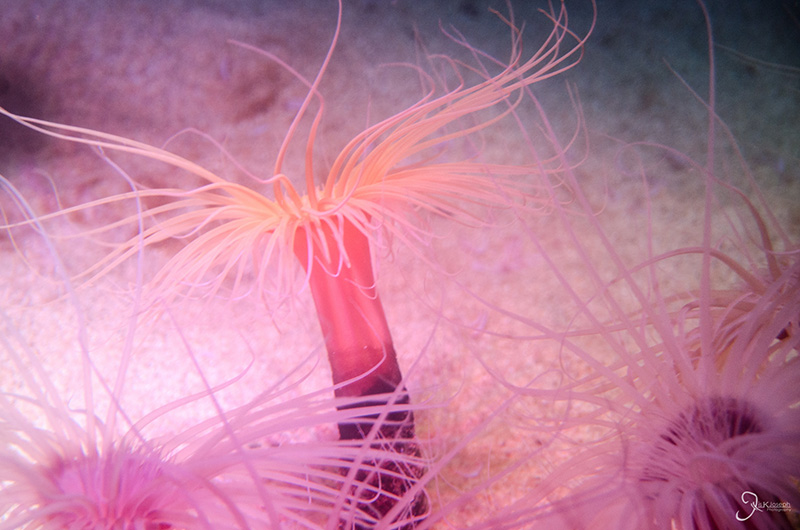
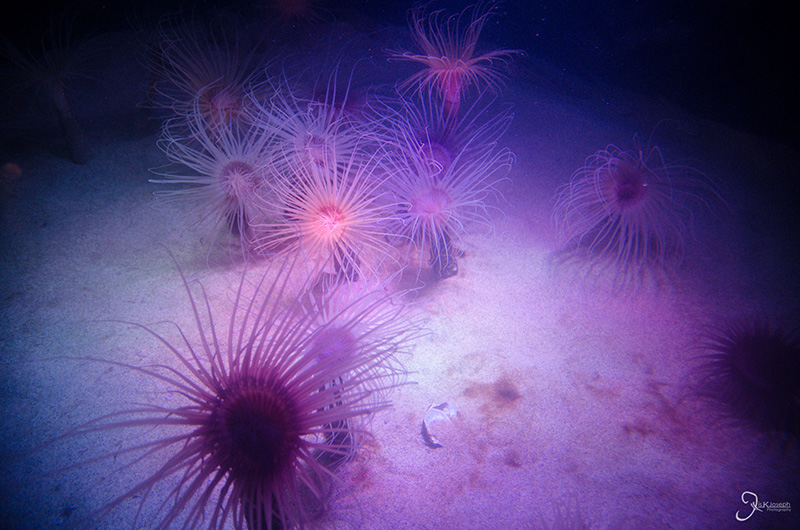
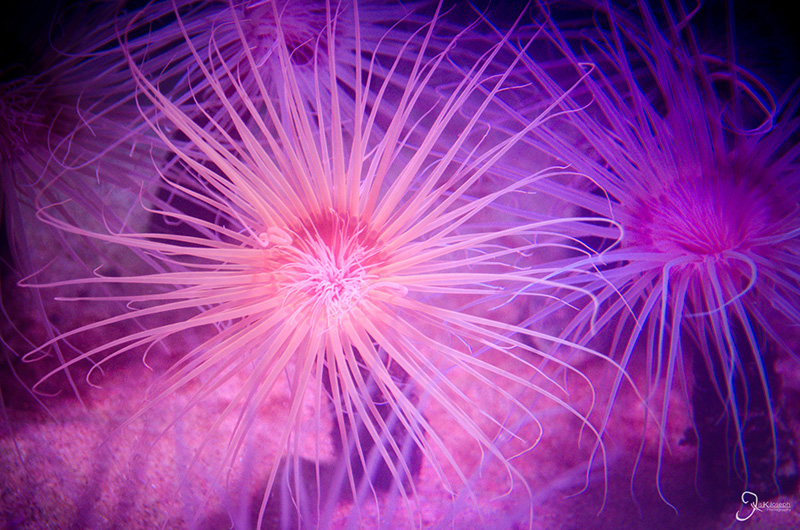
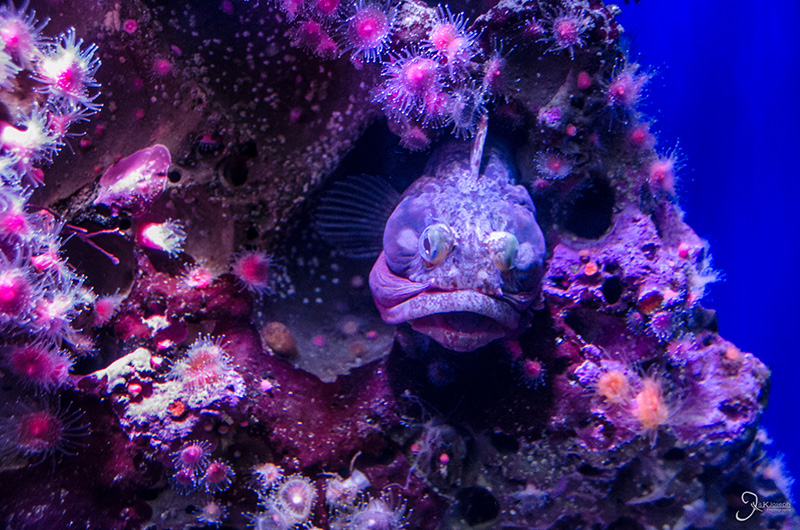
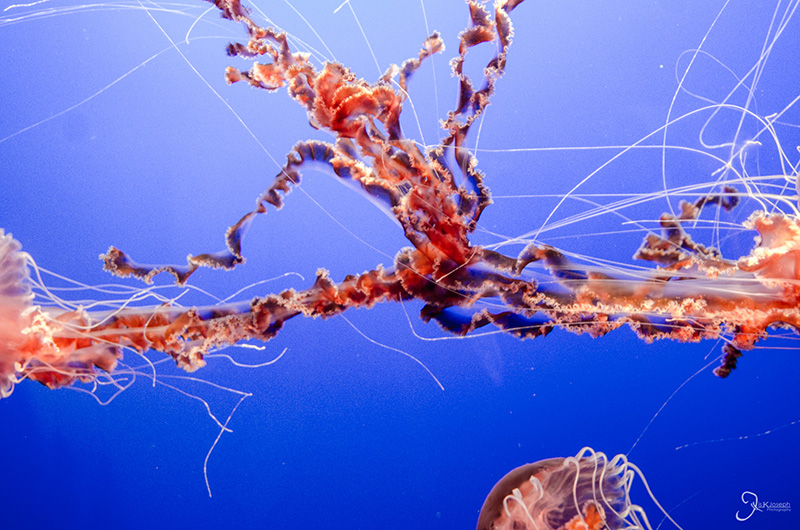
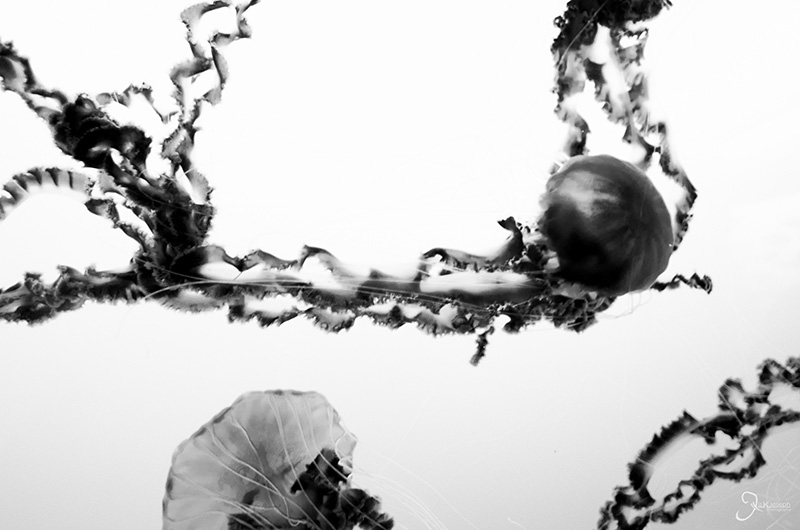
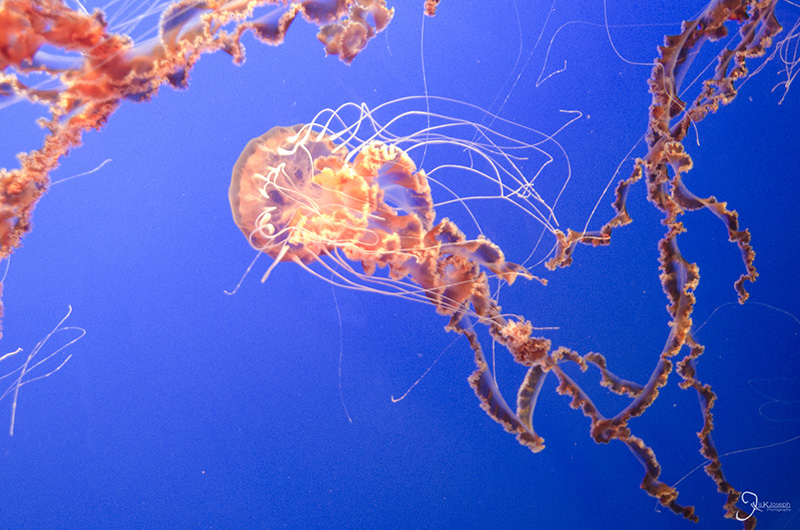
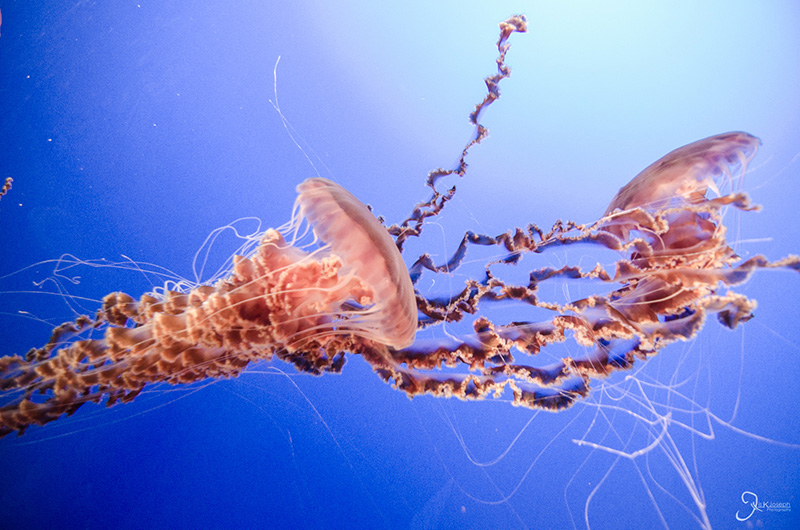
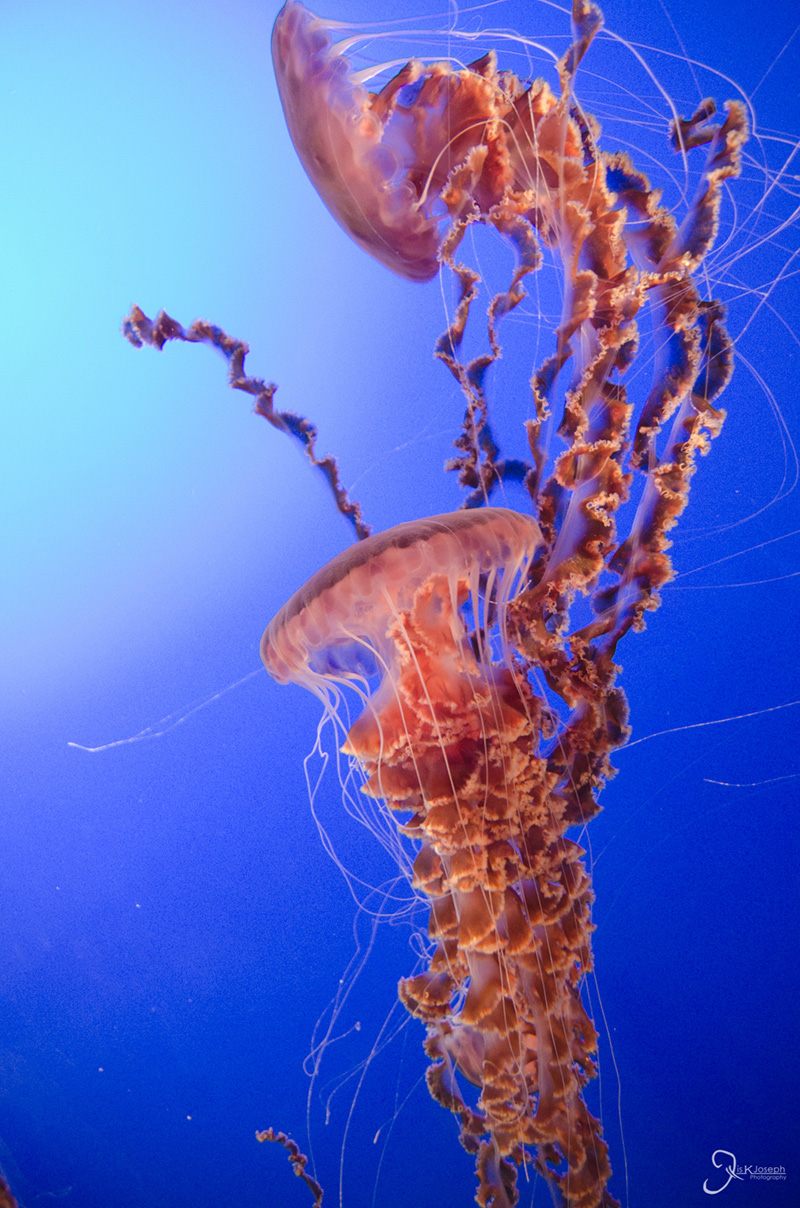
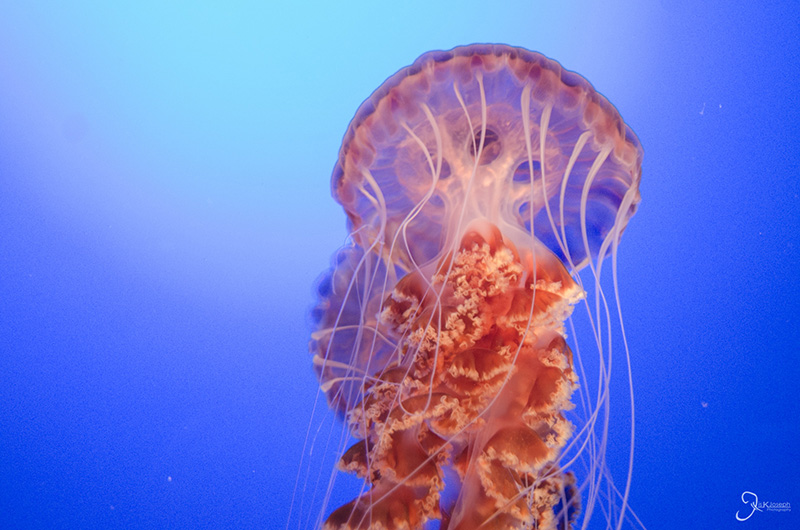
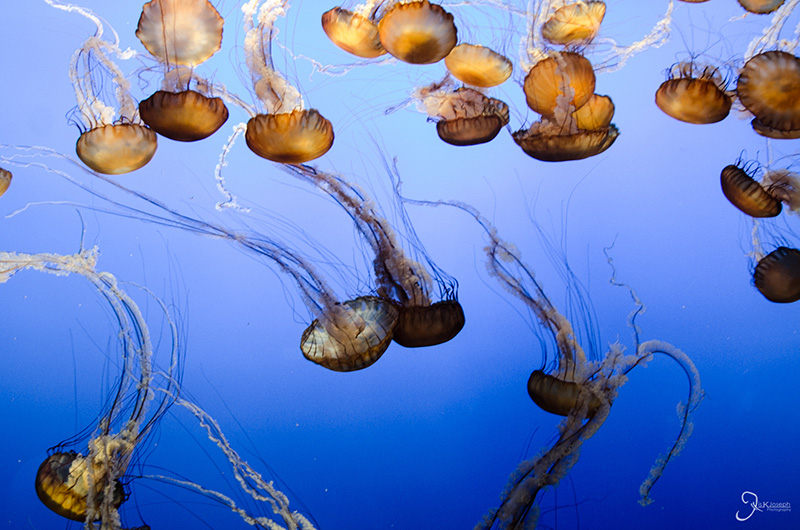
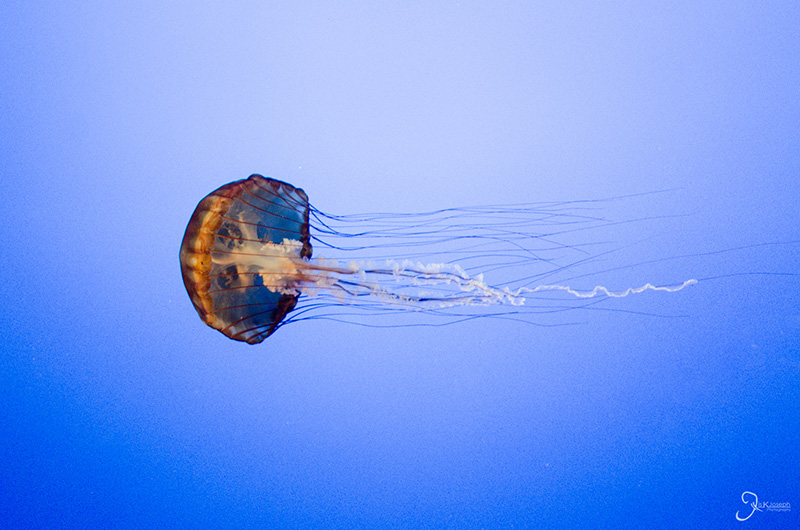
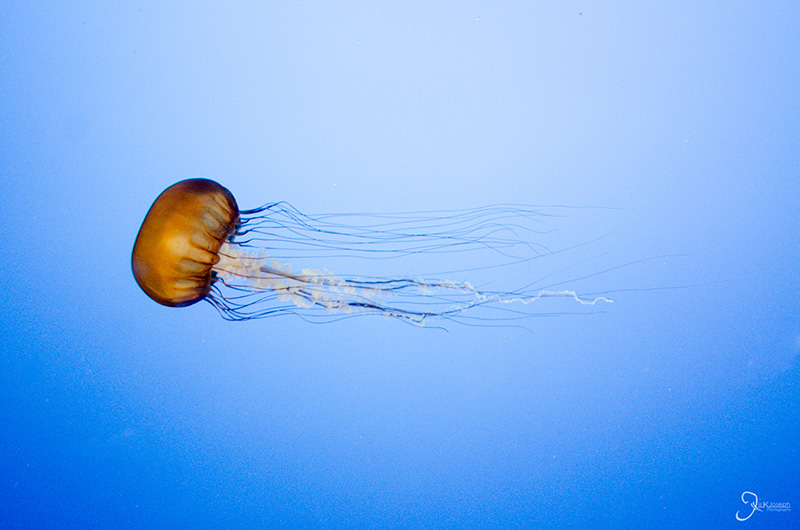
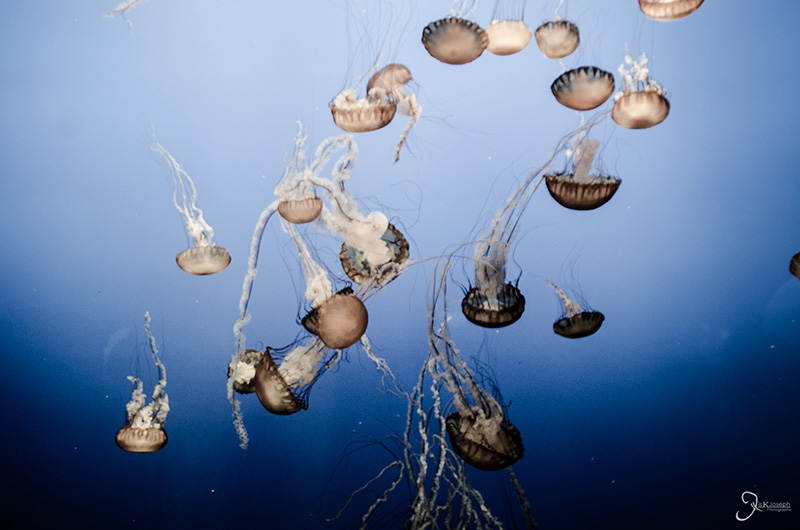
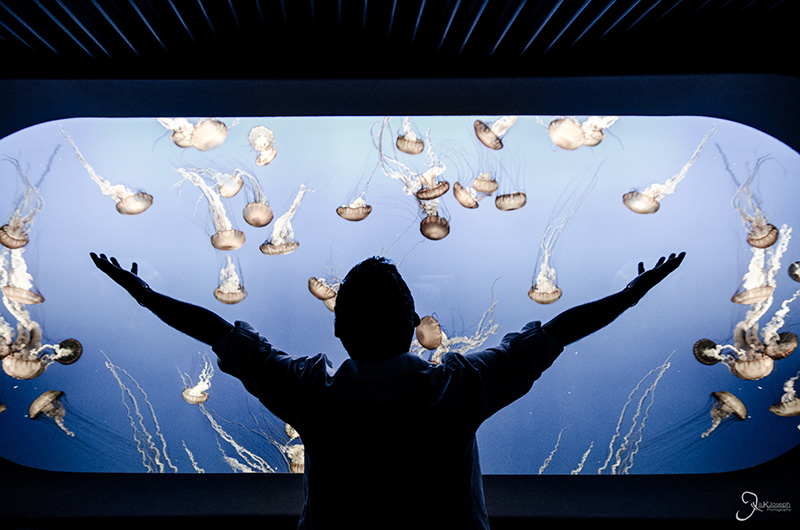
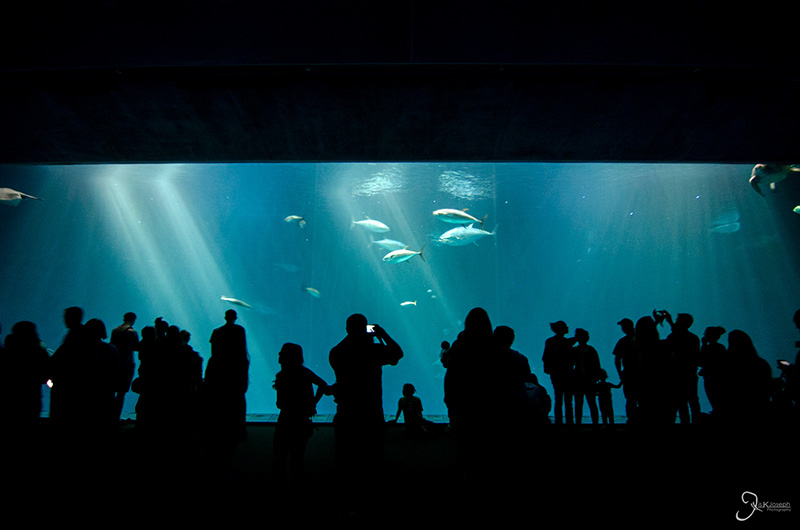
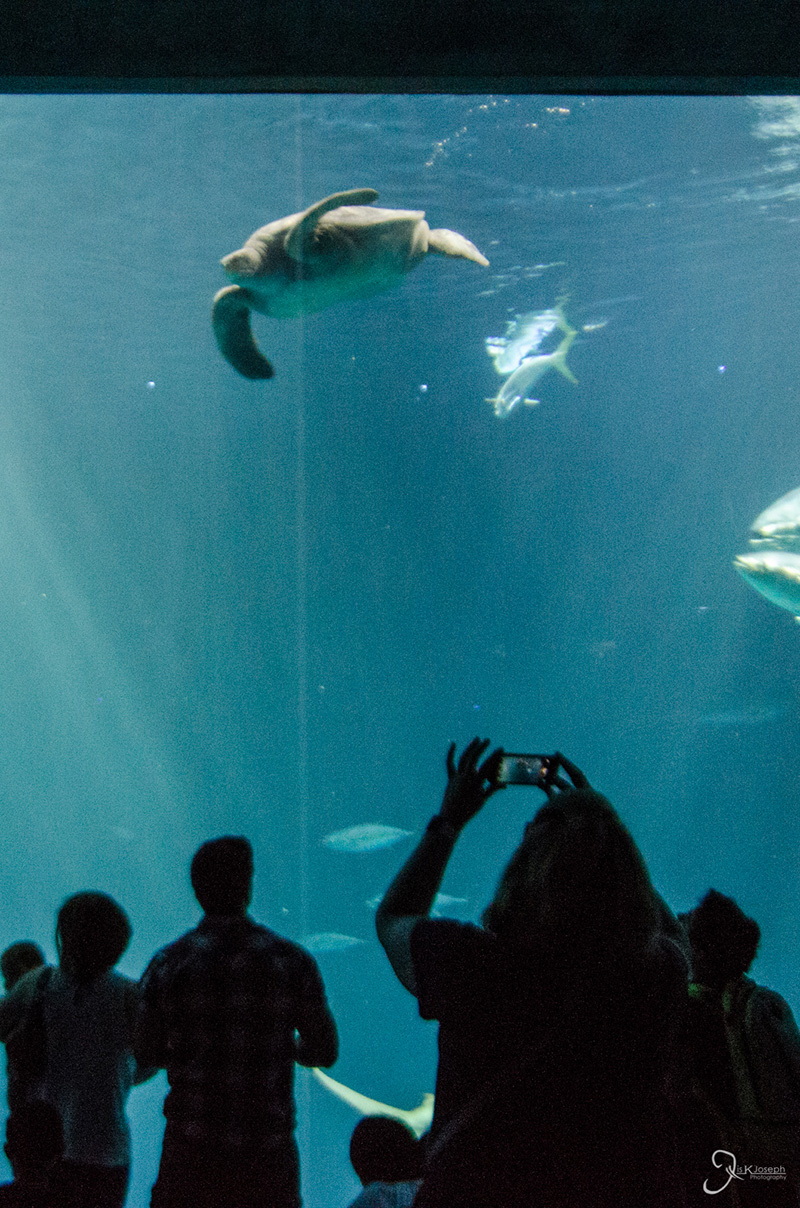
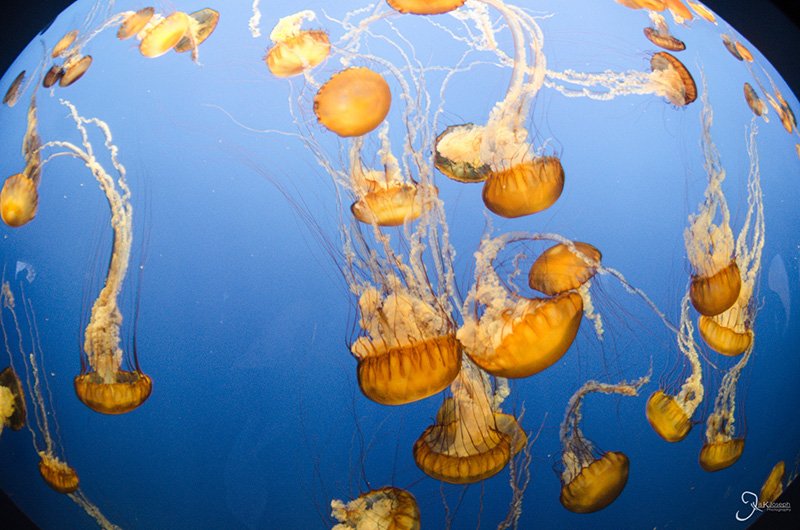
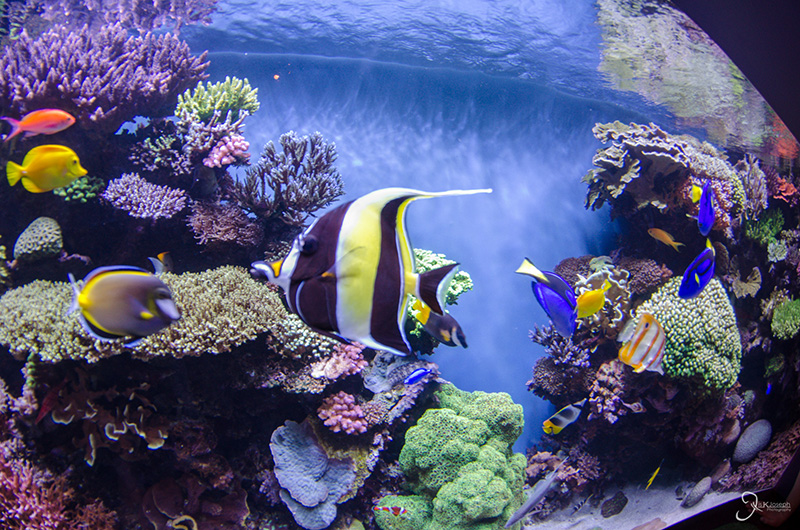
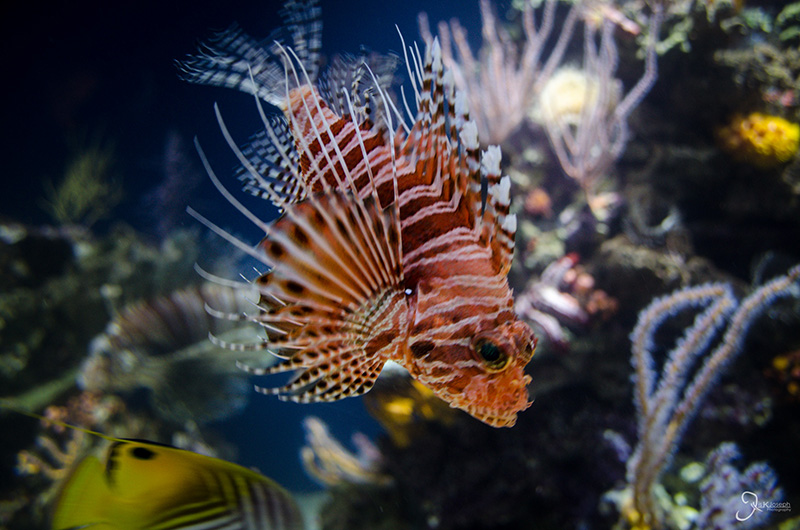
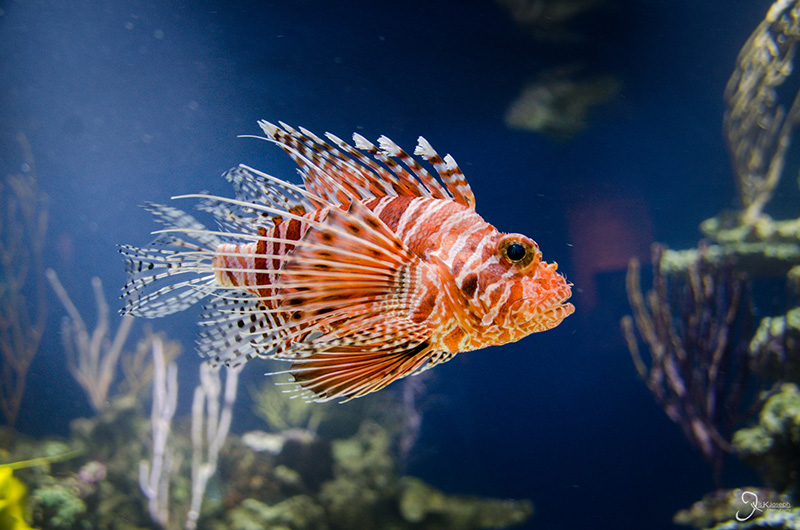
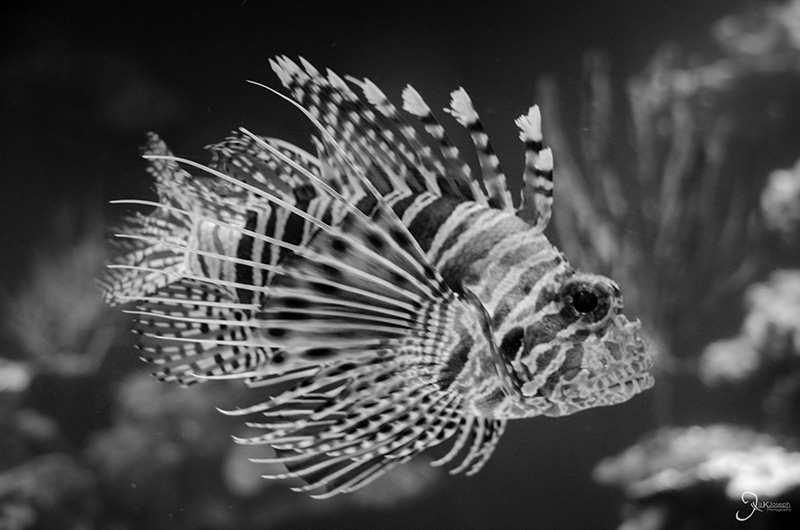
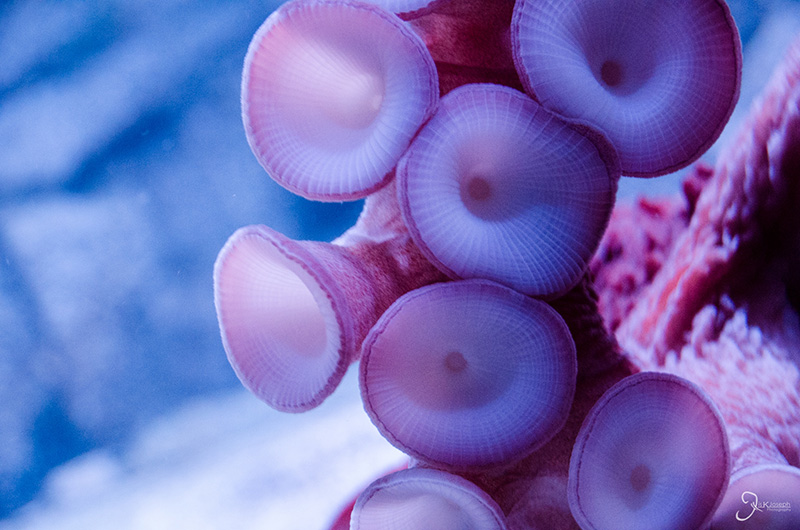
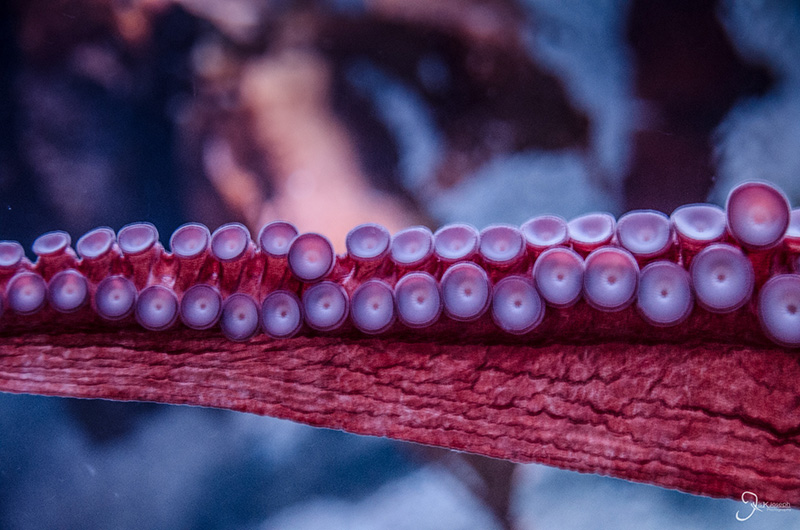
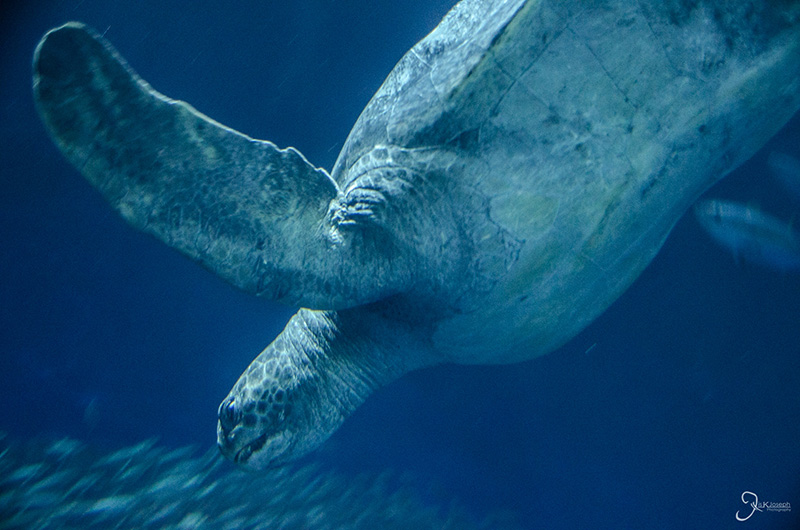
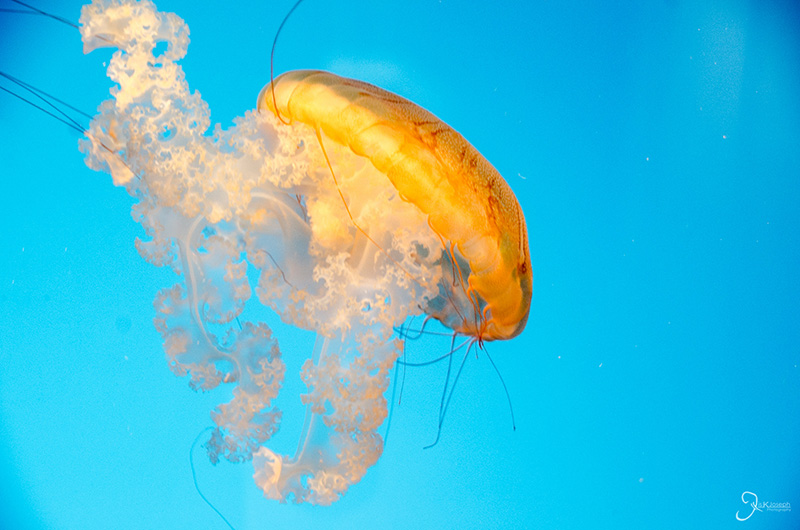
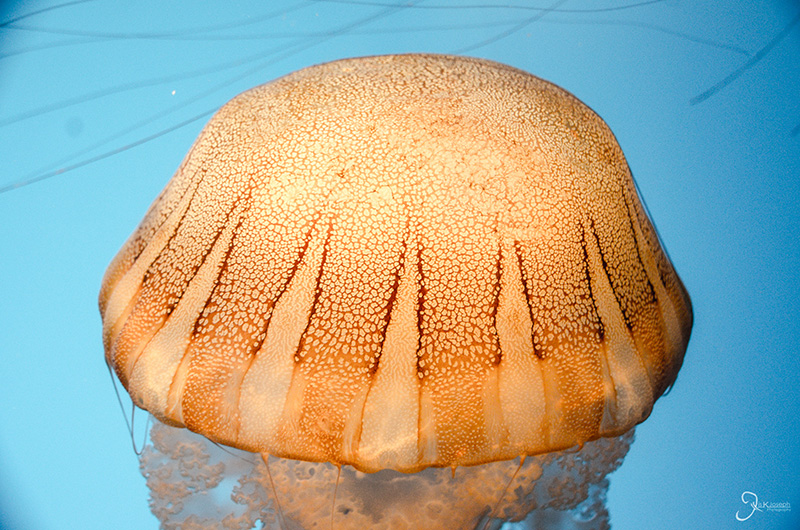
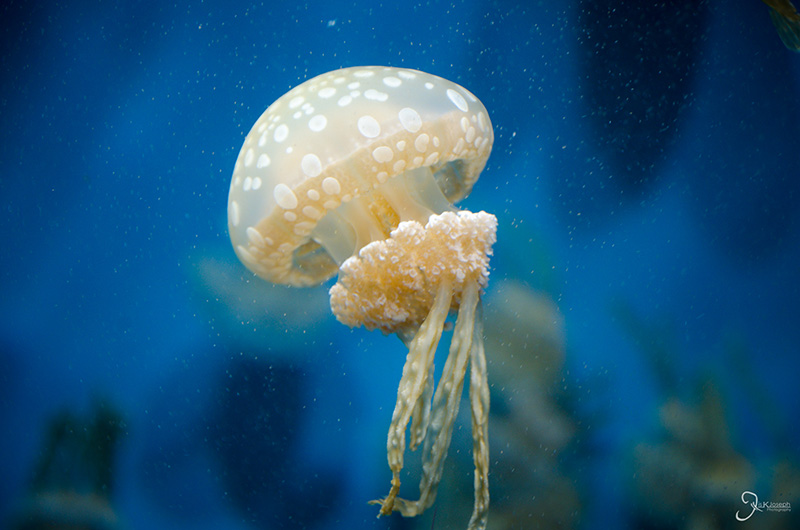
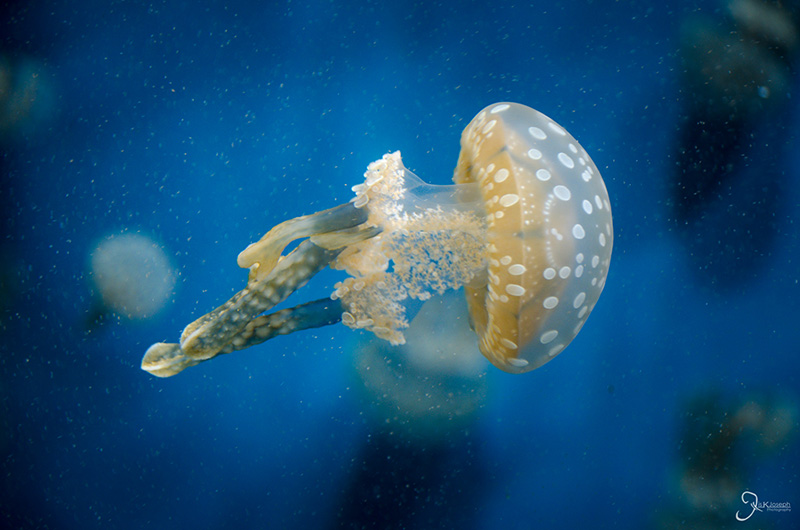
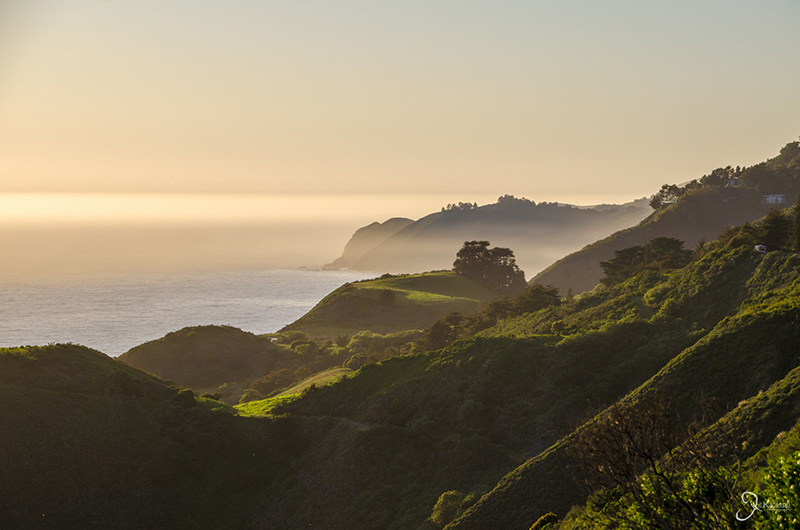
My drive along the Californian coast's Pacific Coast highway was scenic as I started near the San Francisco Bay area on towards Monterrey Bay. The morning dew created some of the most refreashing scenes as misty air engulfed some of the cliff faces that held up US 1. After a two hour drive I arrived at one of my sought after destinations on my bucketlist: the Monterrey Bay Aquarium. This research facility is unique in that all the water that is used to house the creatures in the aquarium comes directly from the Pacific ocean. The aquarium was often highlighted in many of the documentaries I grew up watching in class and on the Discovery channel, and being the aquarium enthusiast I would eventually become, it quickly made it to my bucketlist. By today's standards, the aquarium is not the best one around (Atlanta's aquarium is still one of the best I've been to), but at nearly three decades old it still holds up some shine. The Aquarium is known for two exhibits: the Californian sea otters and the kelp forest. Both are note worthy, but I became entranced by their large collection of jellyfish and Giant Red Octopus.

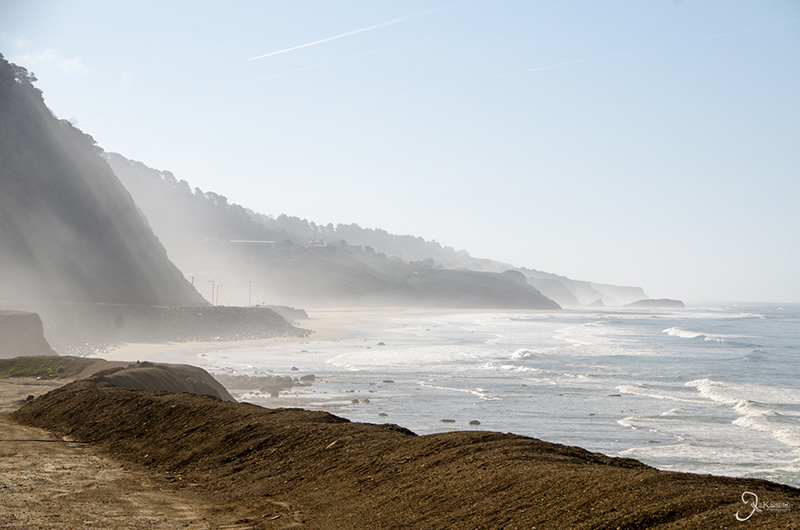
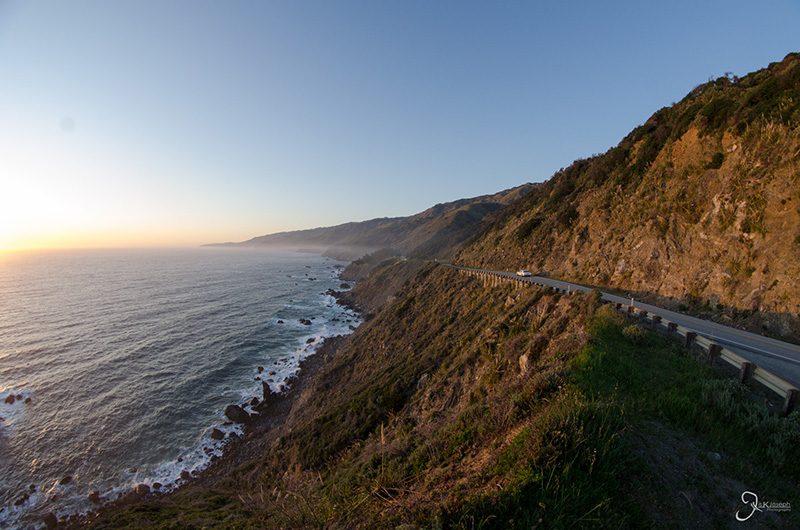
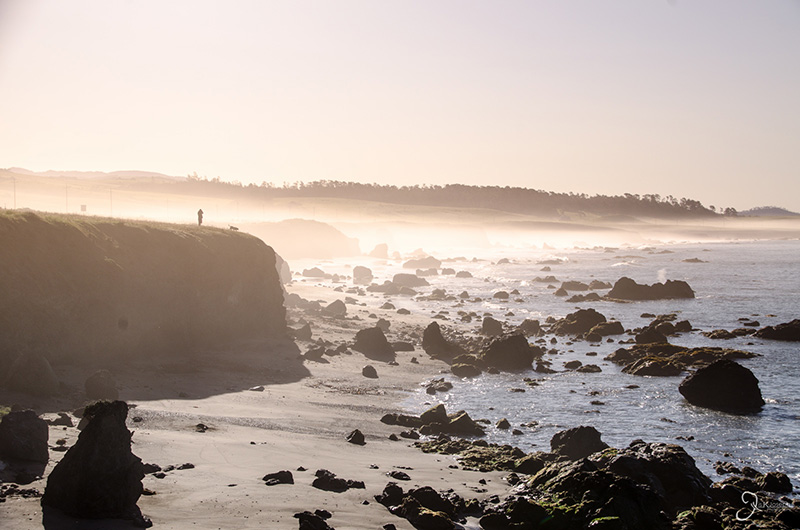
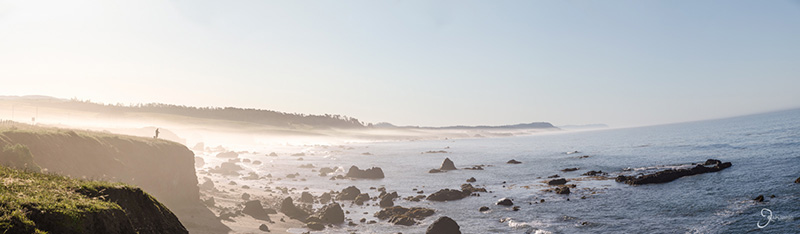
The morning mist is just about to dissipate along the Pacific Coast Highway.

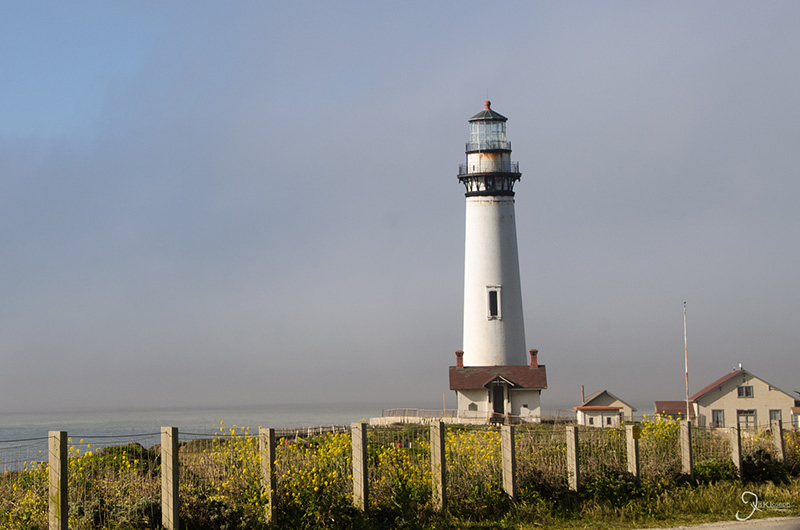
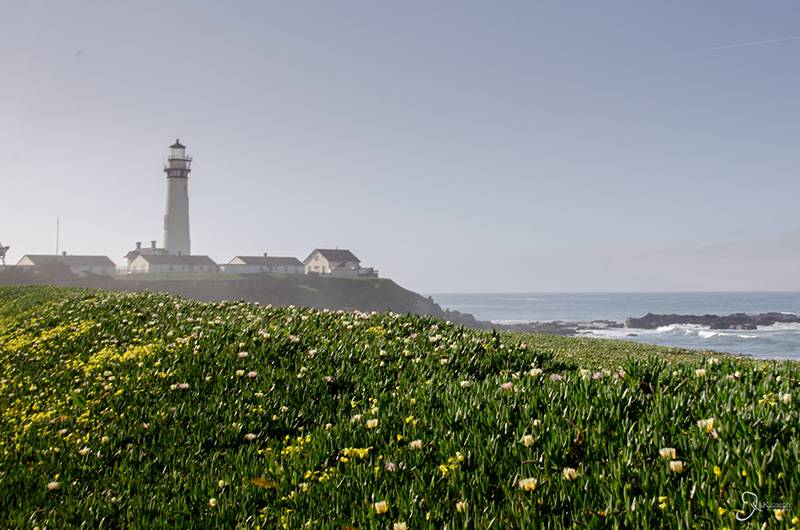
The Pigeon Point Lighthouse.

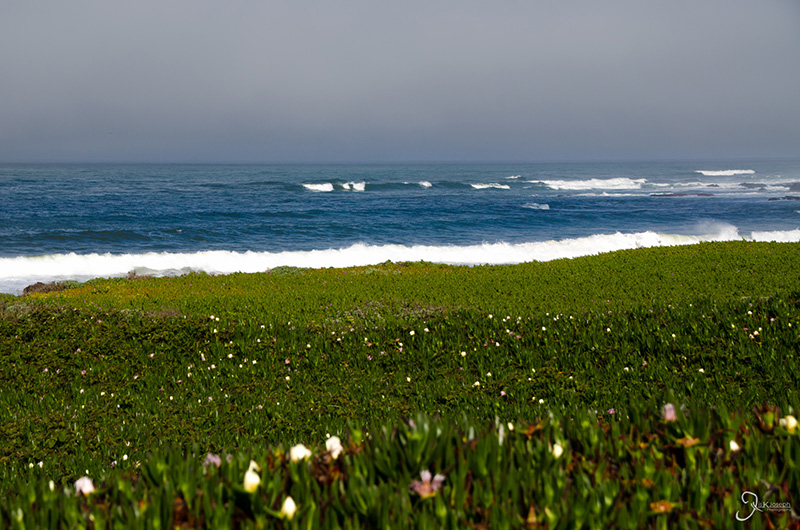
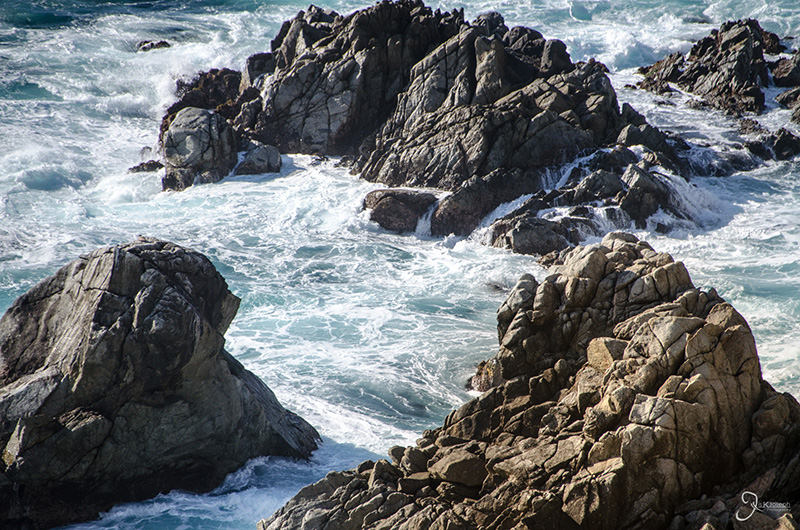
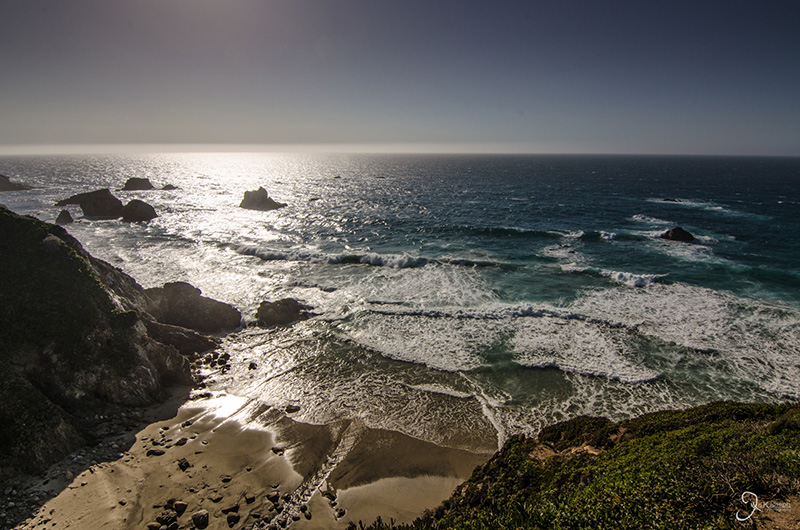
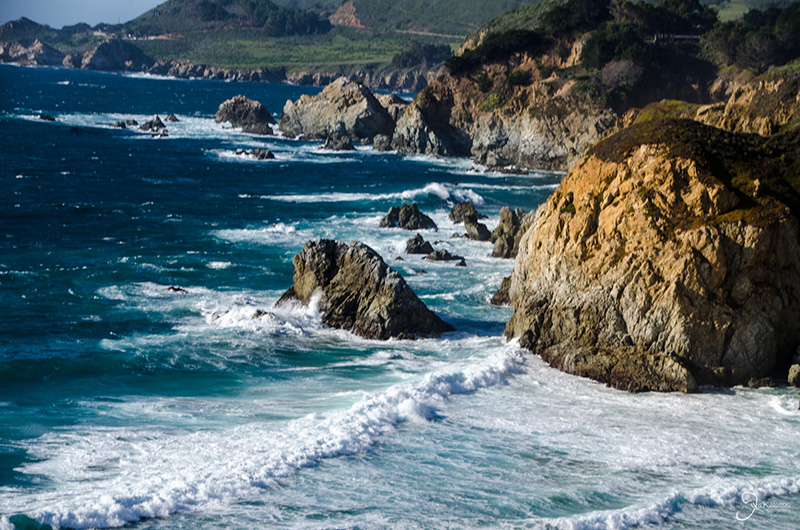
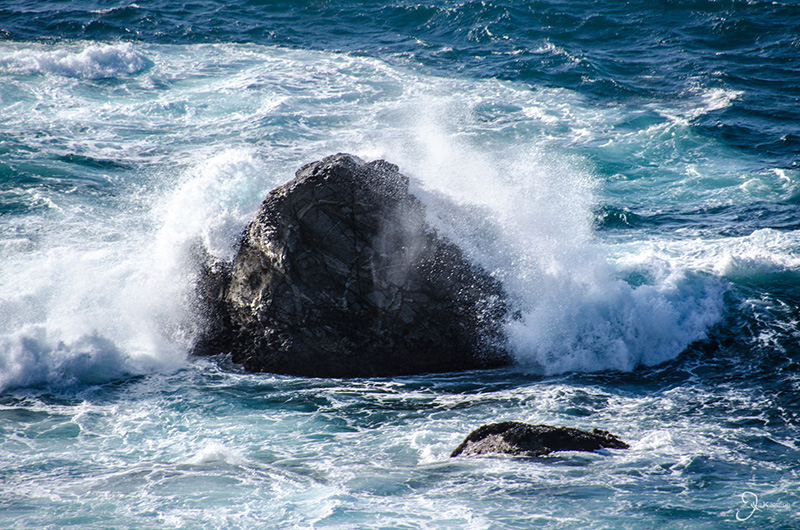
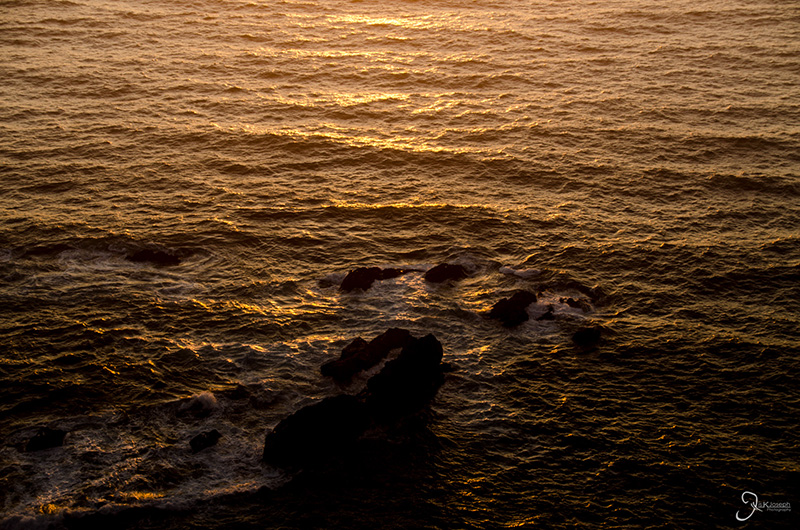
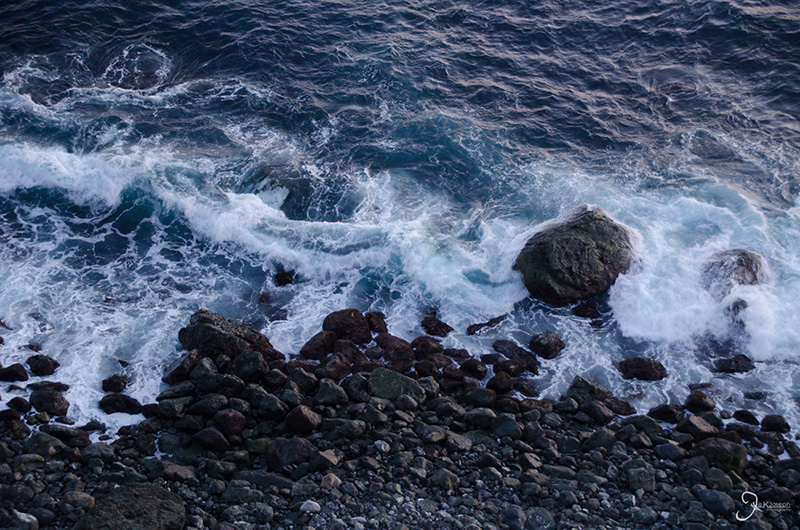
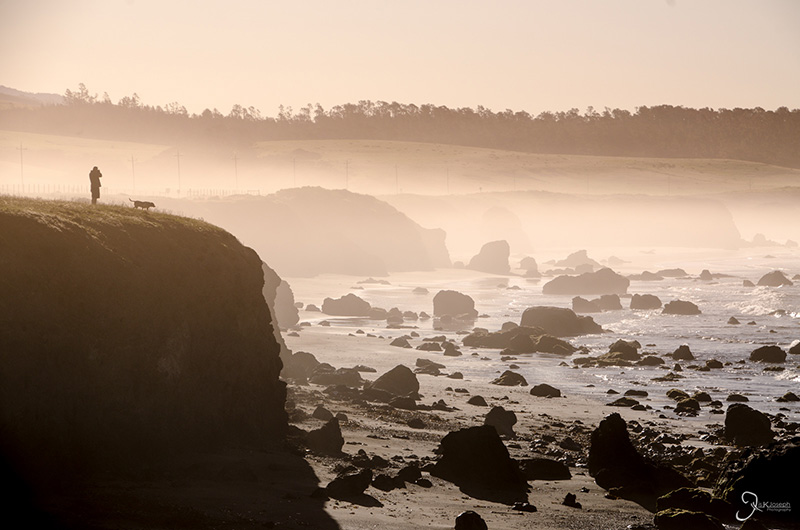
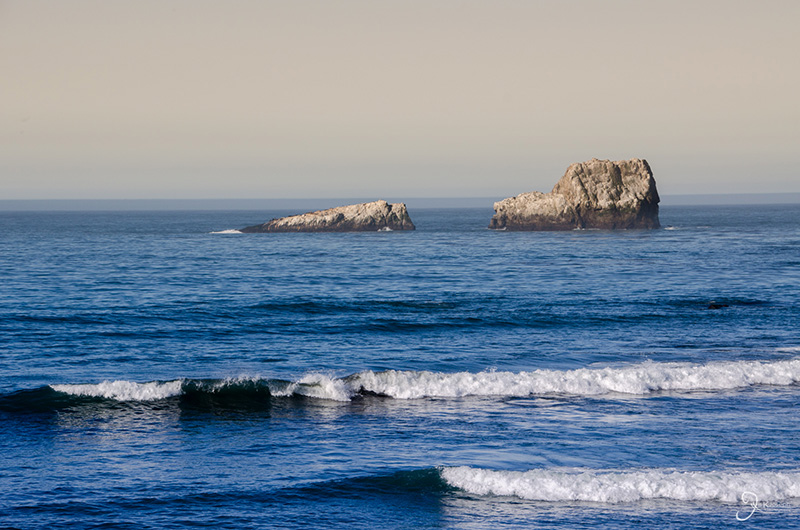
The crashing waves of the Pacific ocean mystifies its rocky banks.

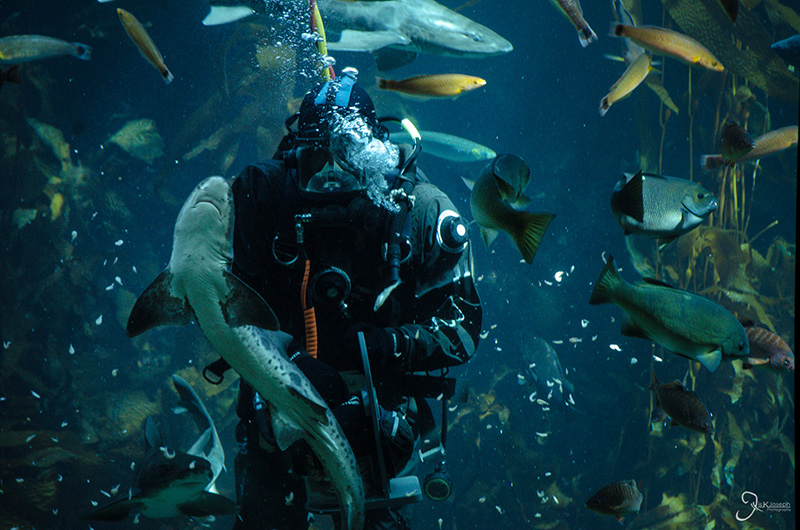
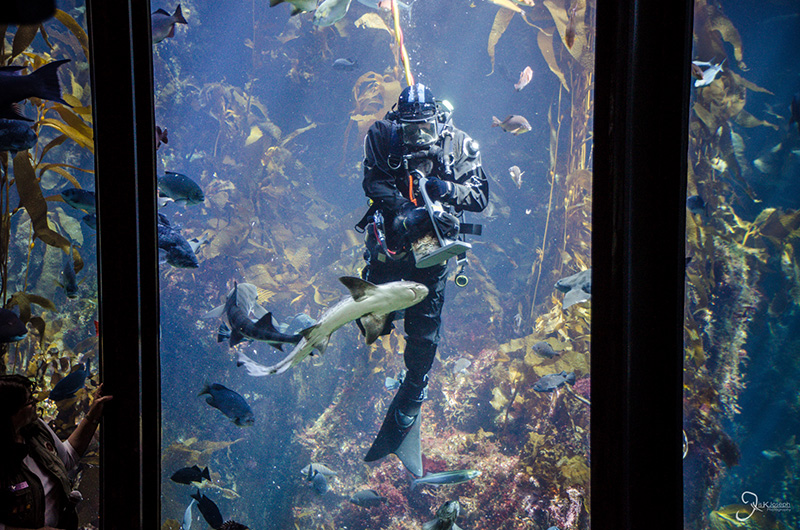
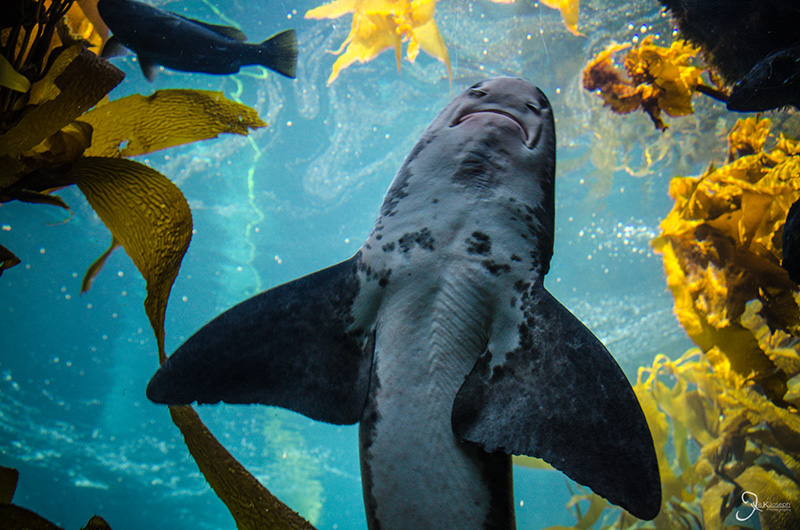
This is the first time I was able to watch a live shark feeding.

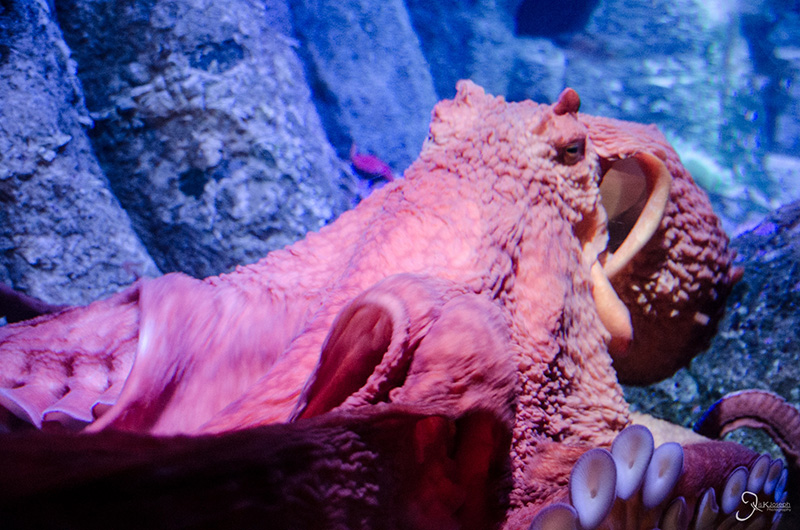
Giant Red Octopus.

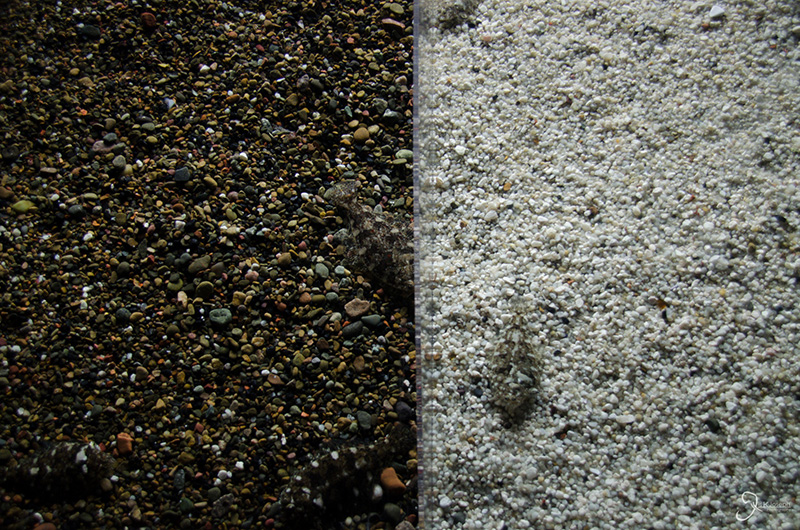
Segregated camouflage. there are three flounders in this photo.

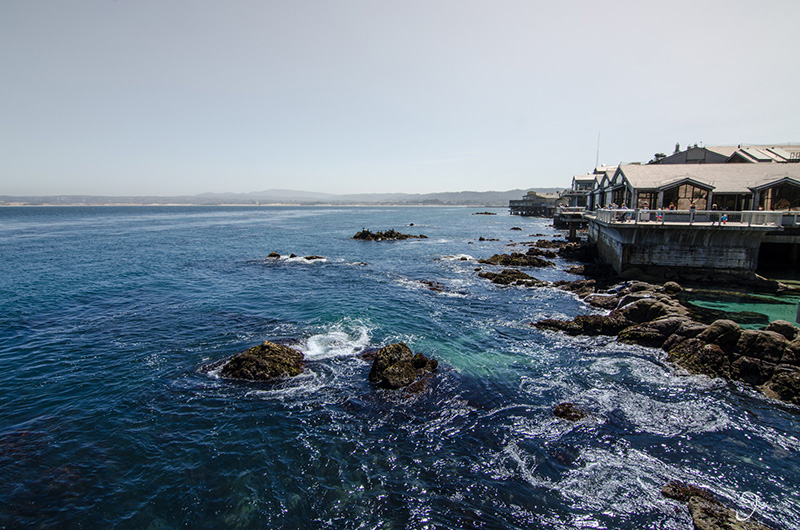
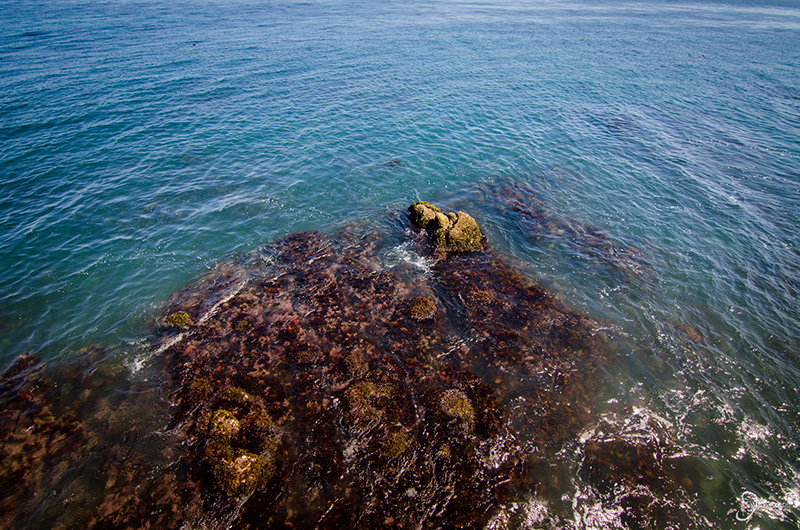
The Pacific Ocean as seen from the aquarium. Natural ocean water is constantly pumped into and out of the aquariums tanks.

Giant Red Octopus.

Who's your daddy?

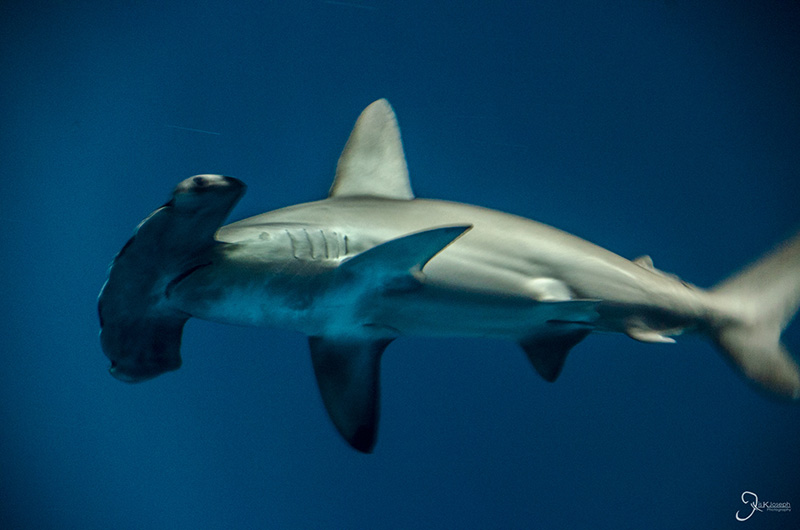
Hammerhead!

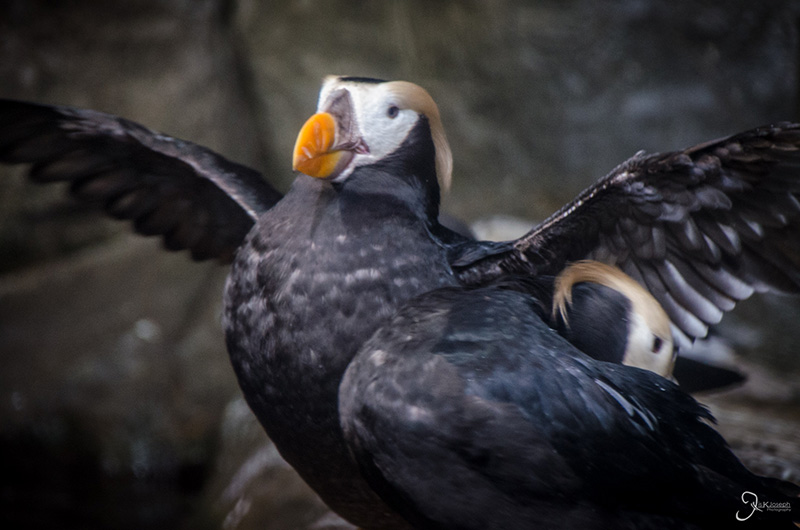
Puffin!

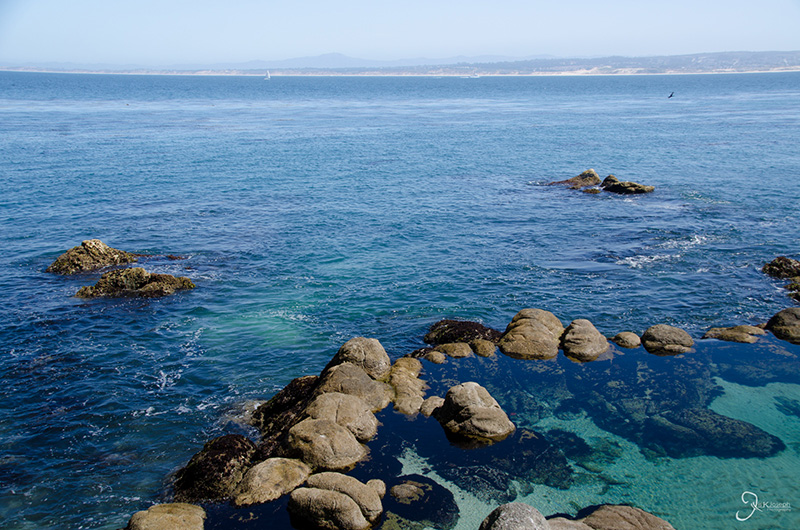
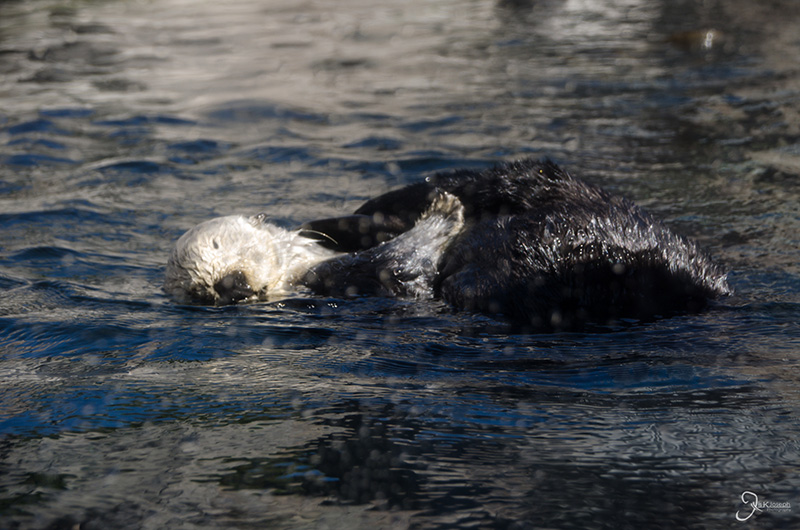
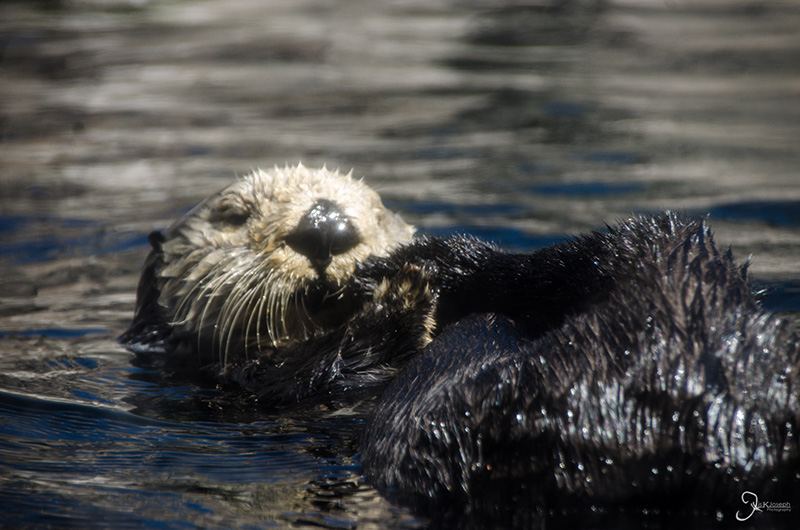
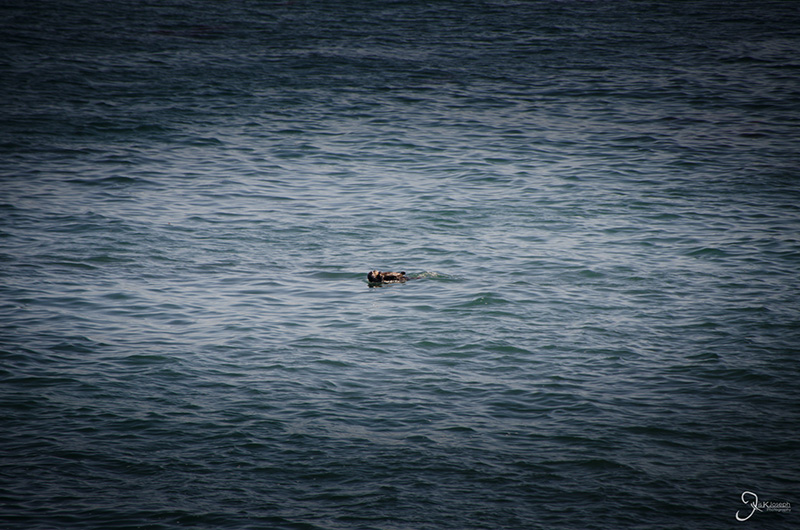
A wild Californian Sea Otter floats off in the middle of Monterrey Bay, just outside of the aquarium.

Lunch!

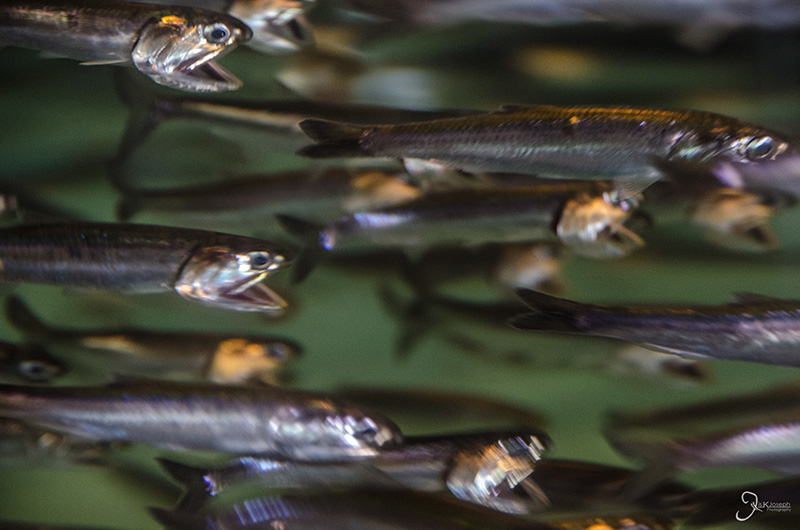
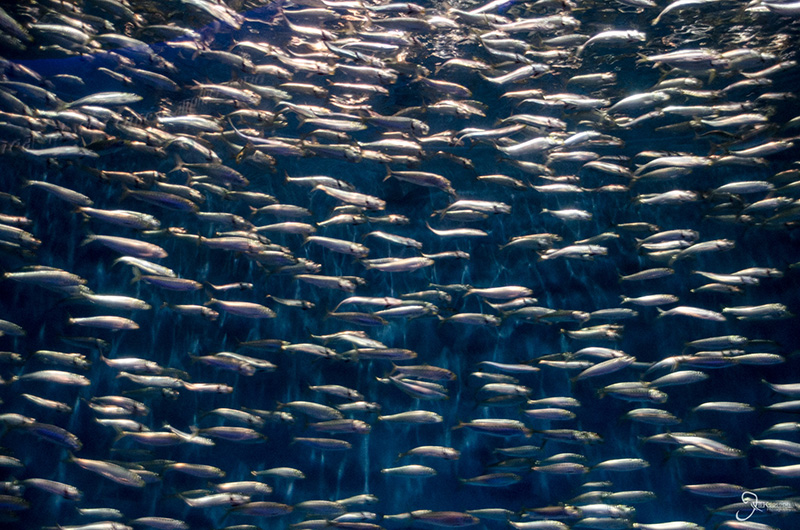
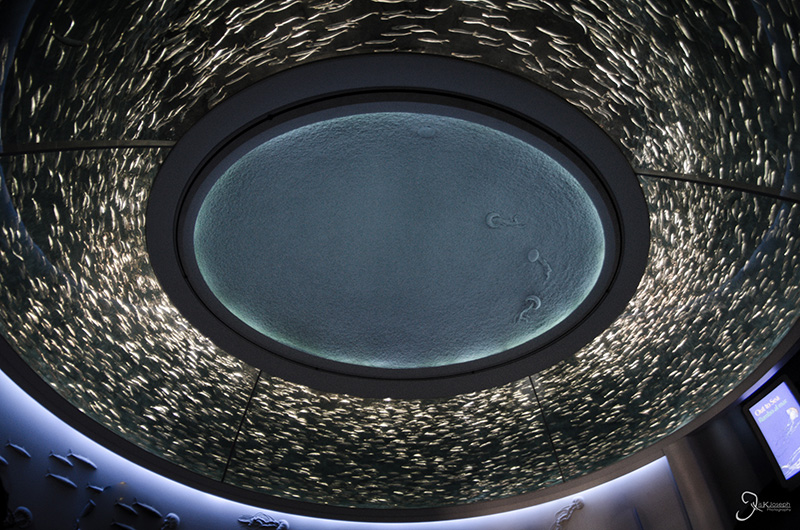
A school of anchovies circling around. I don't know how they don't get bored.

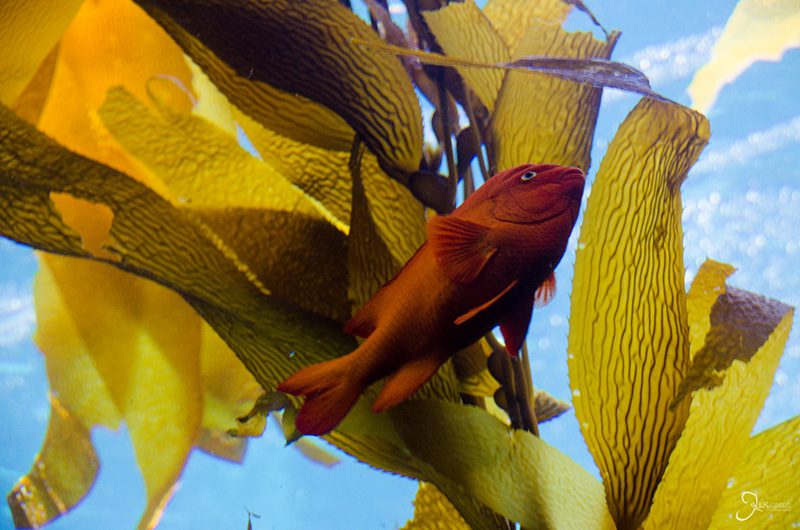
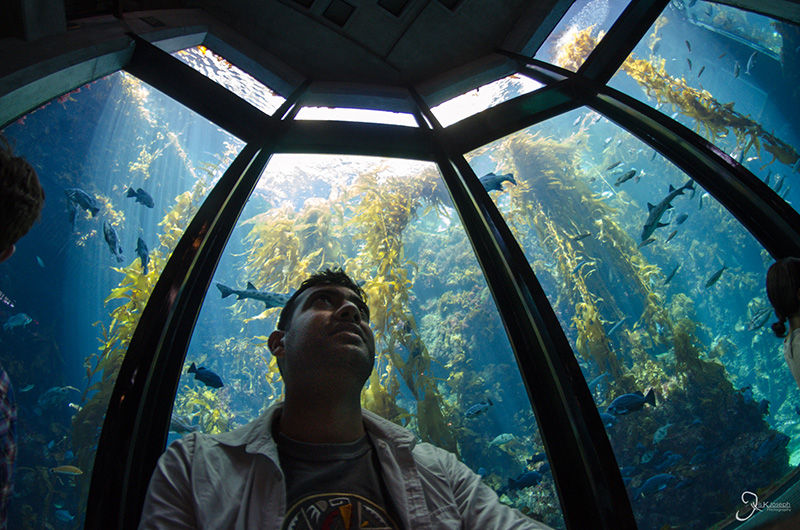
Surrounded by the kelp forest exhibit.

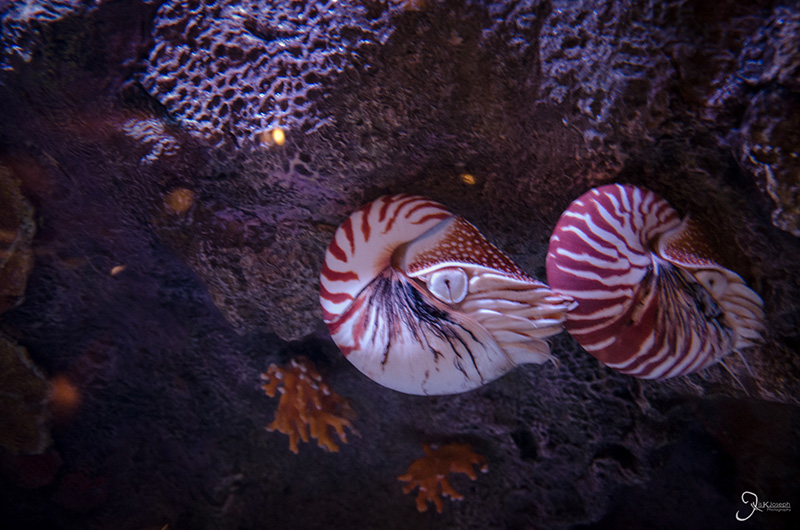
One of the most ancient species in the world, the nautilus

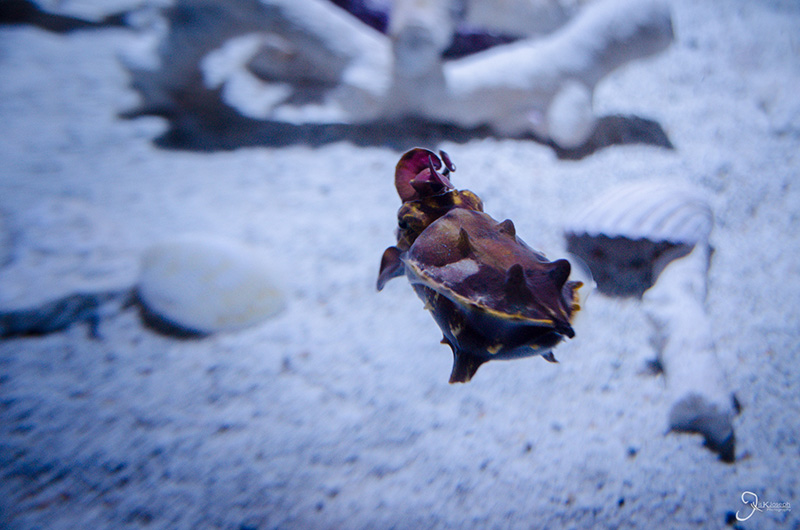
A cuttlefish. this fascinating, instantly-color-changing fish can only be appreciated in person.

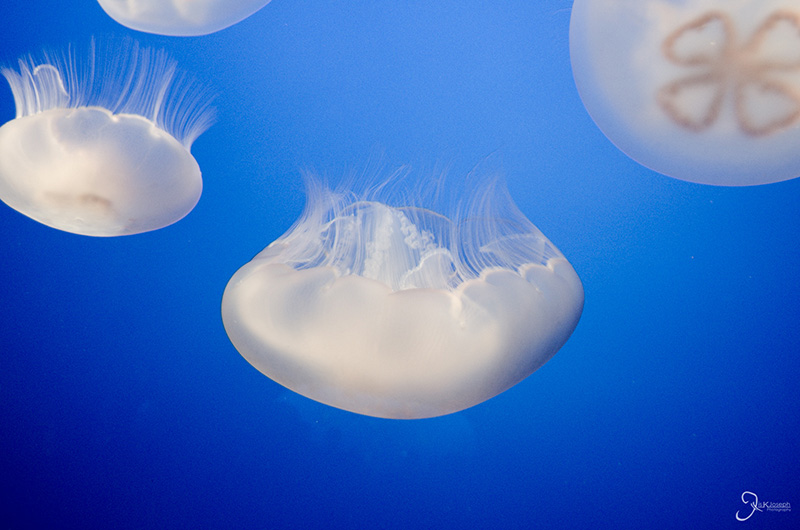
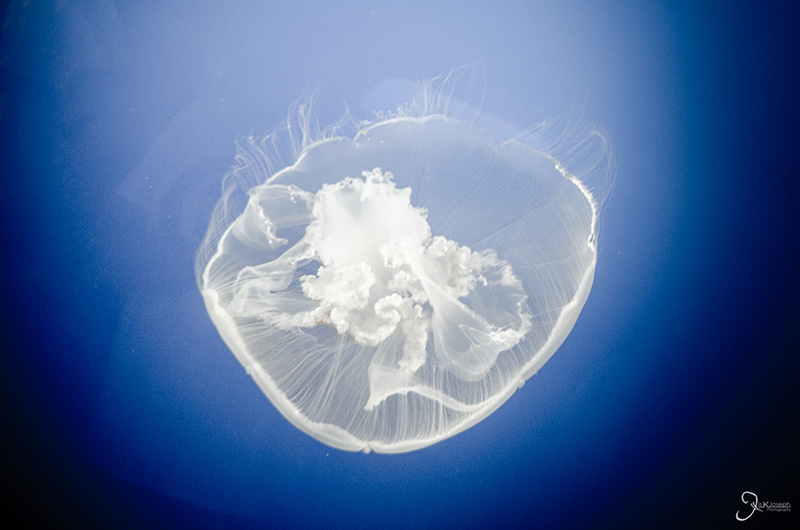
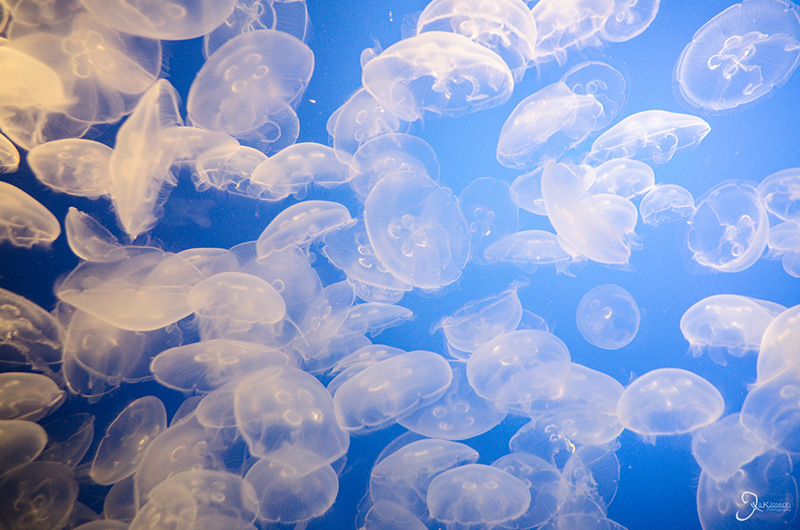
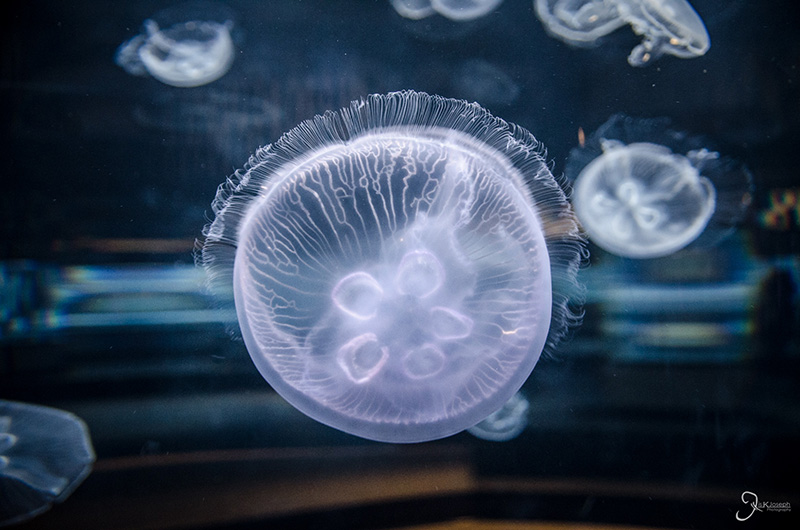
A Moon Jelly.
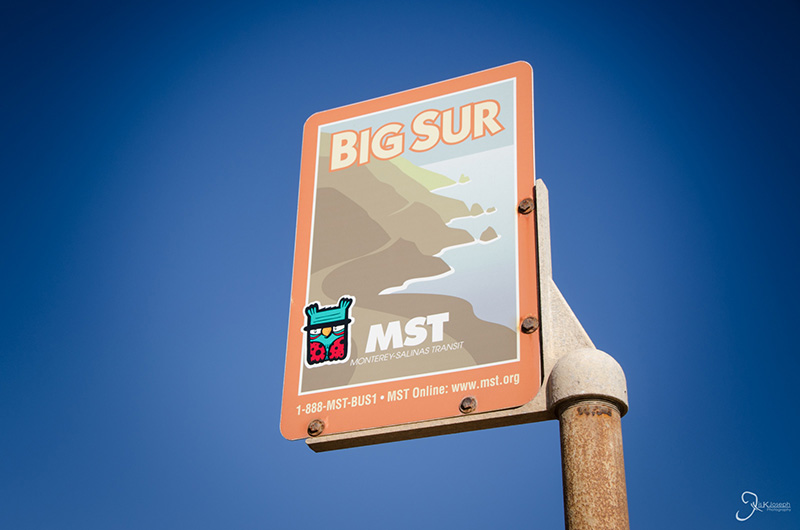
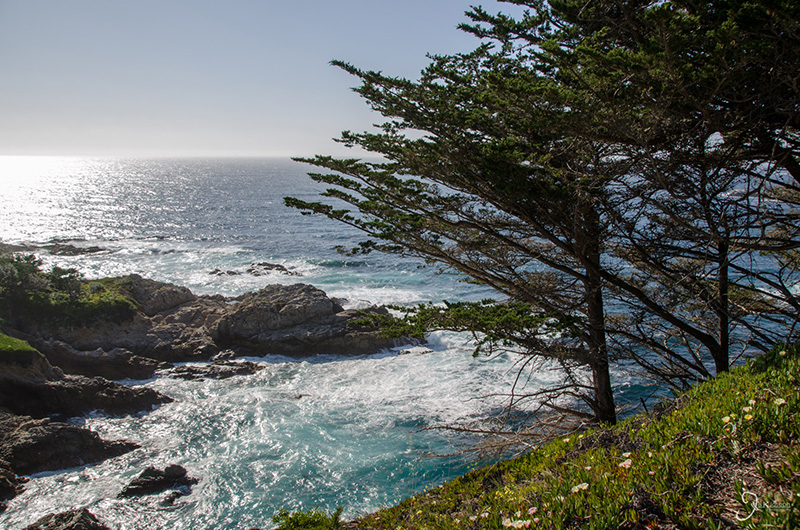
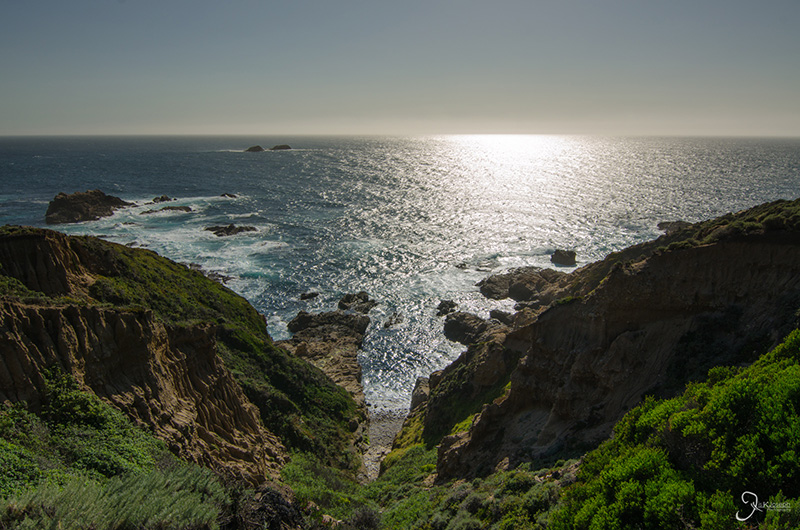
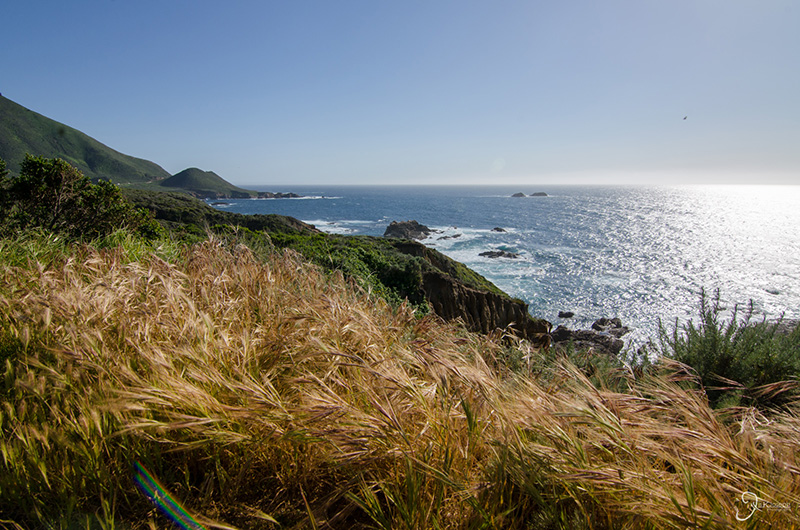
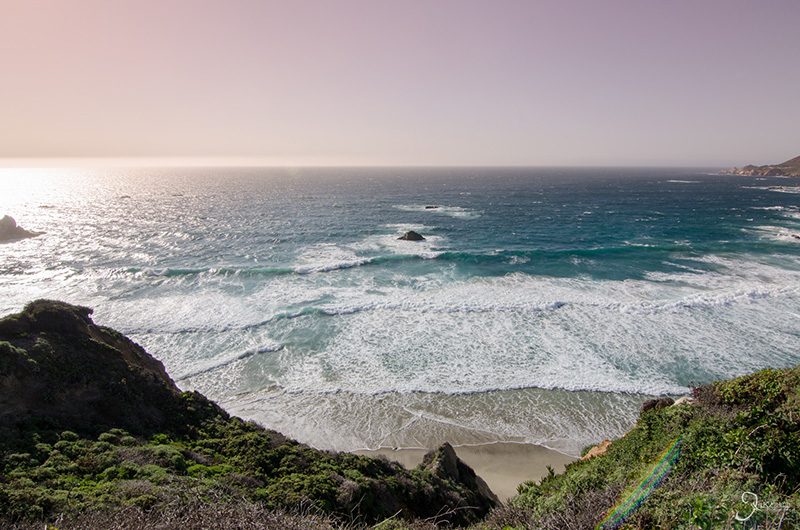
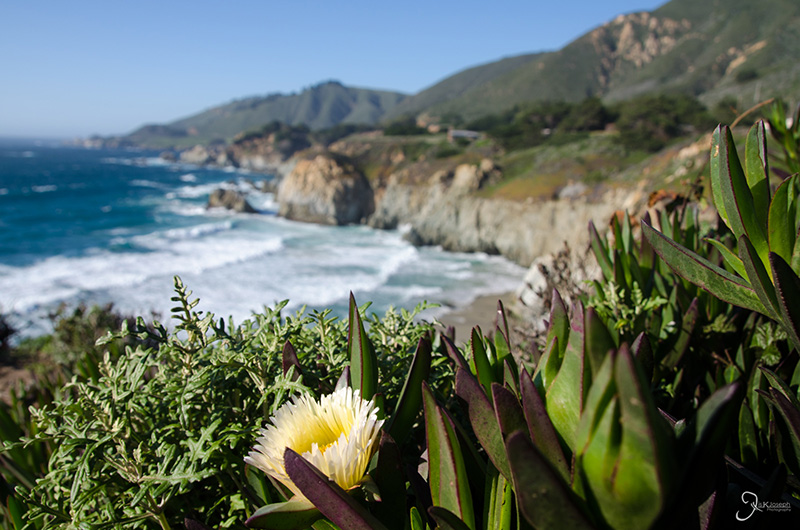
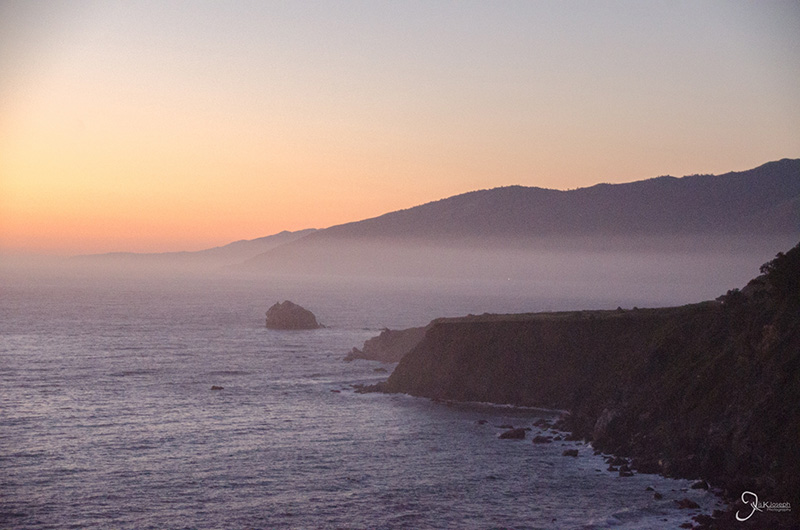
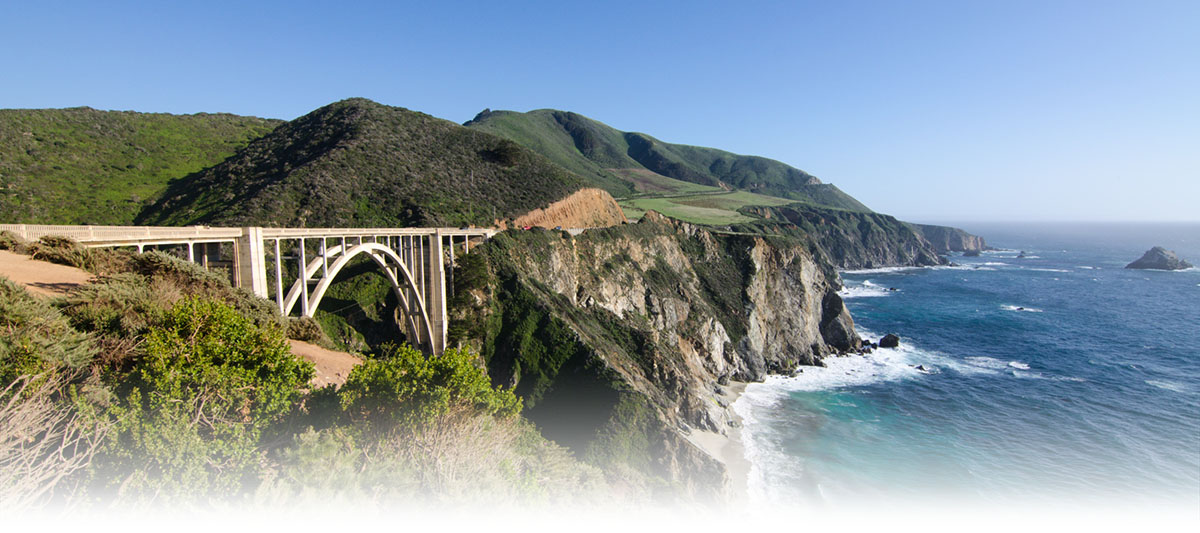
The Pacific Coast Highway. US Highway 1. Big Sur. All of these describe one of the most scenic stripes of asphalt in this blessed country.

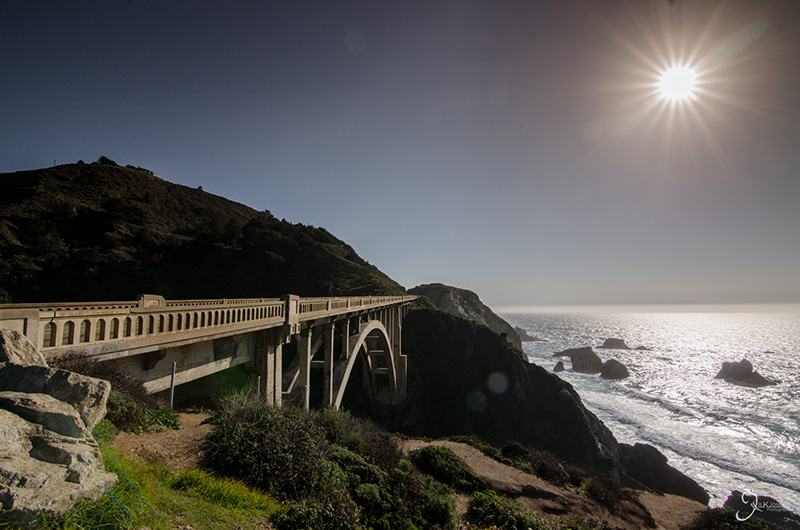
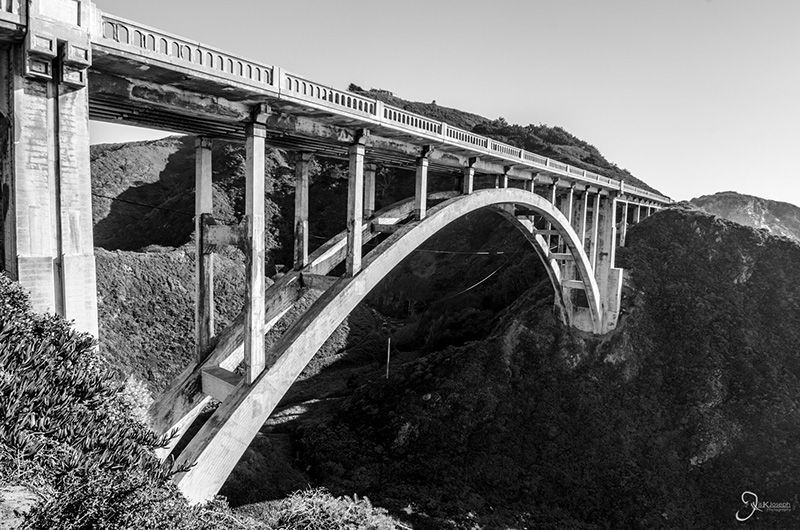
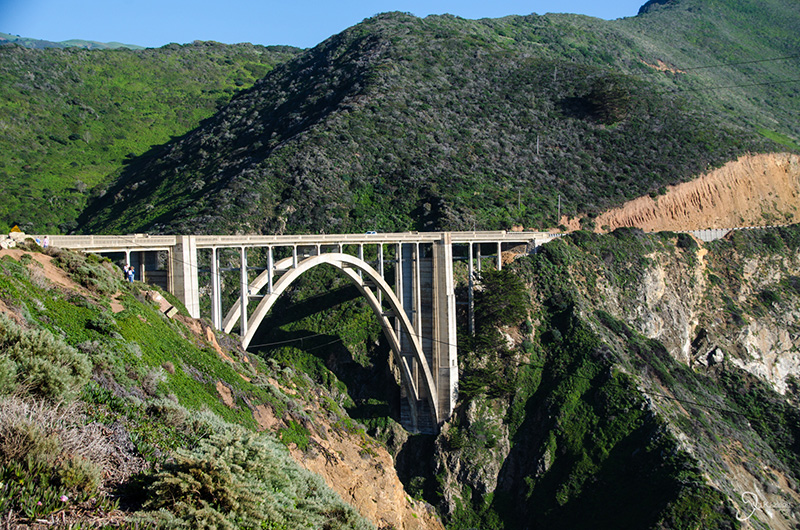
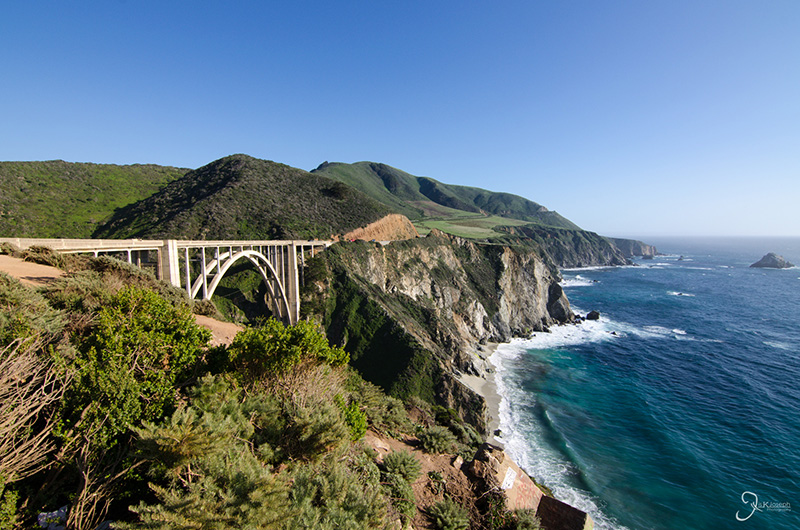
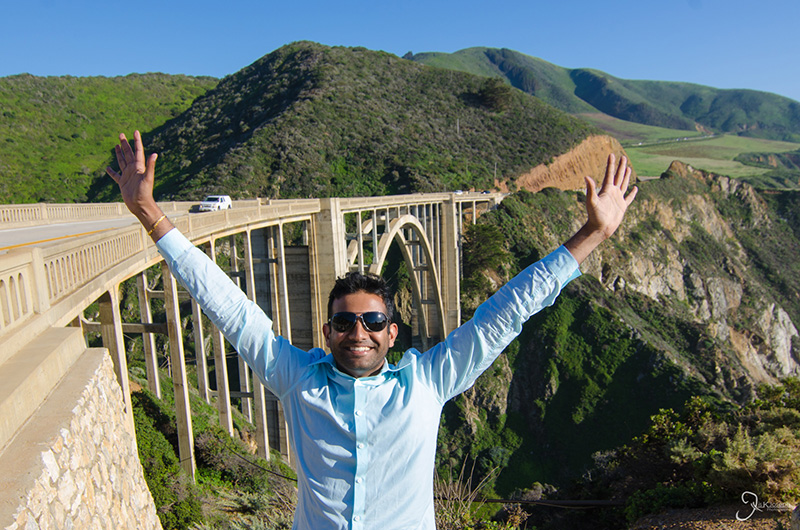
Bixby Bridge is the most iconic landmark in Big Sur. It's got everything in one frame: American engineering, beautiful Pacific coast waters crashing into the rocky coastline that rises hundreds of feet, and a green hilly backdrop.

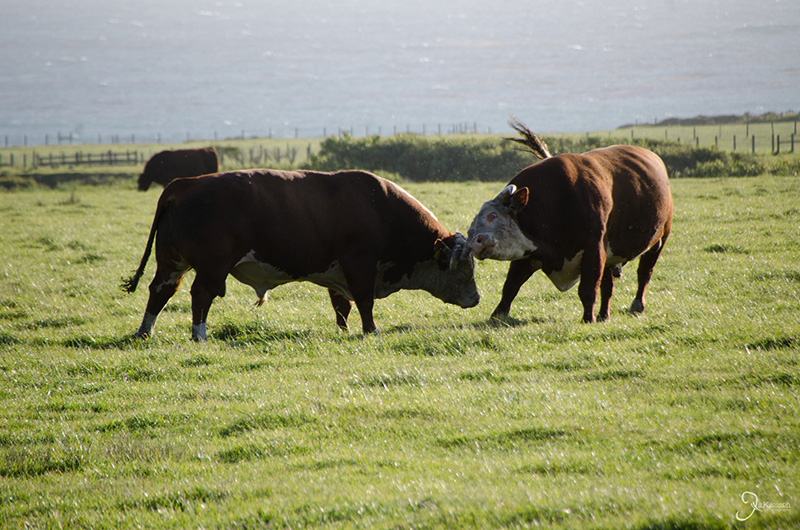
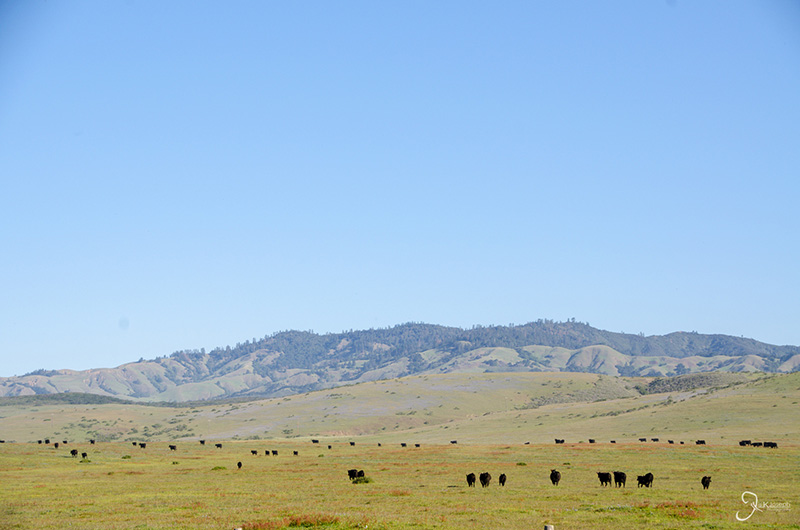
Good milk comes from happy cows. Happy cows come from California.
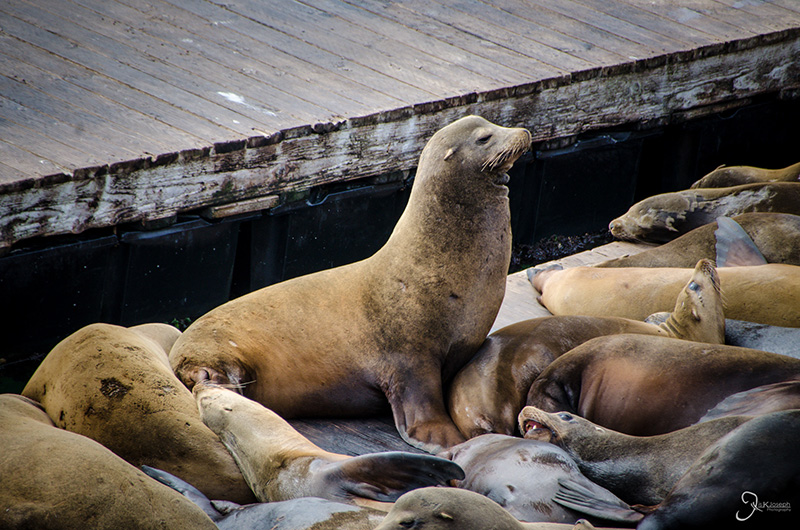
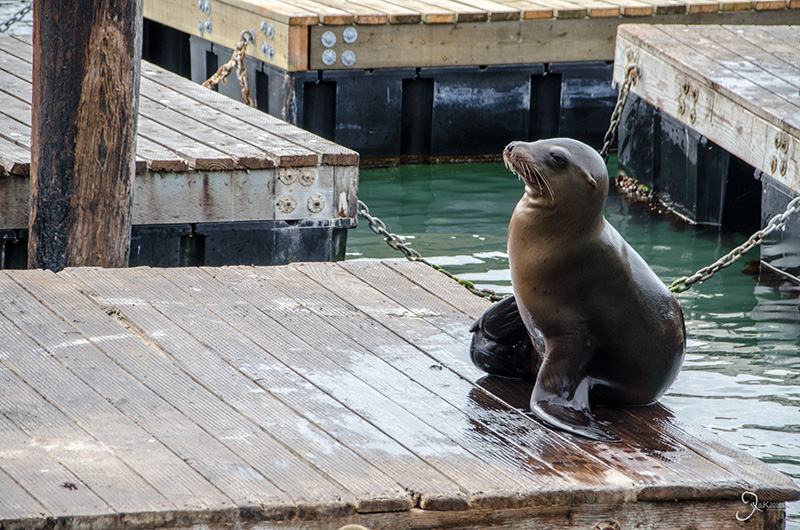
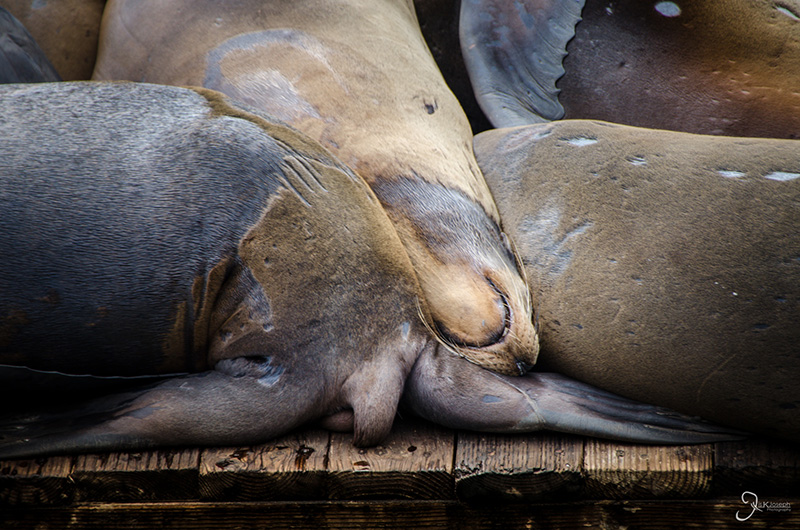
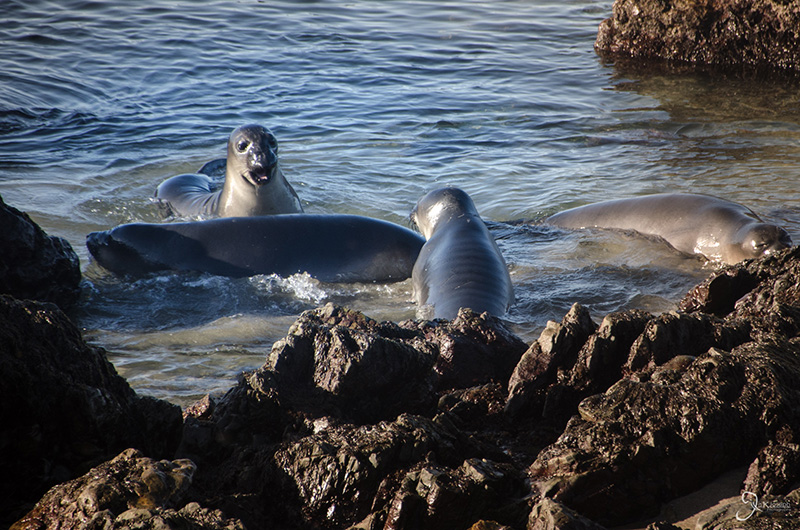
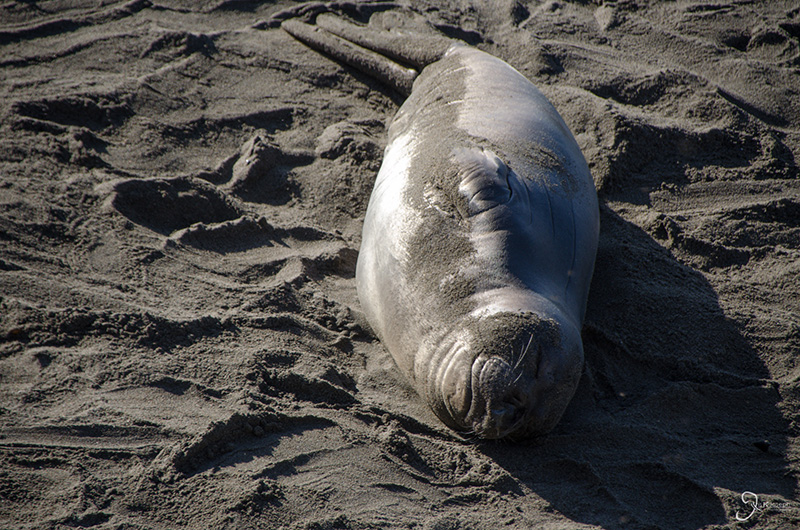
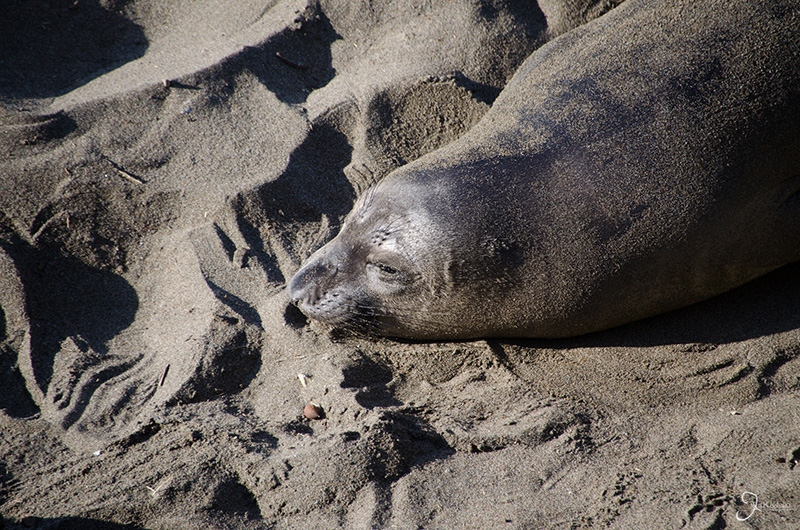
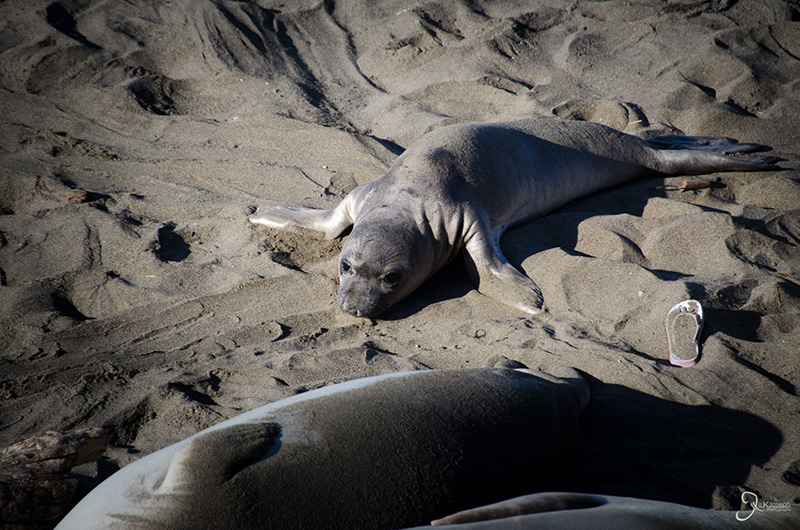
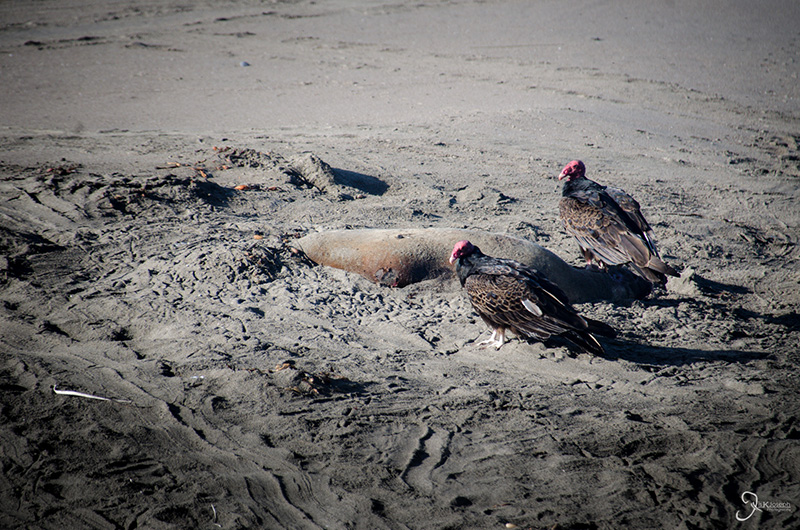
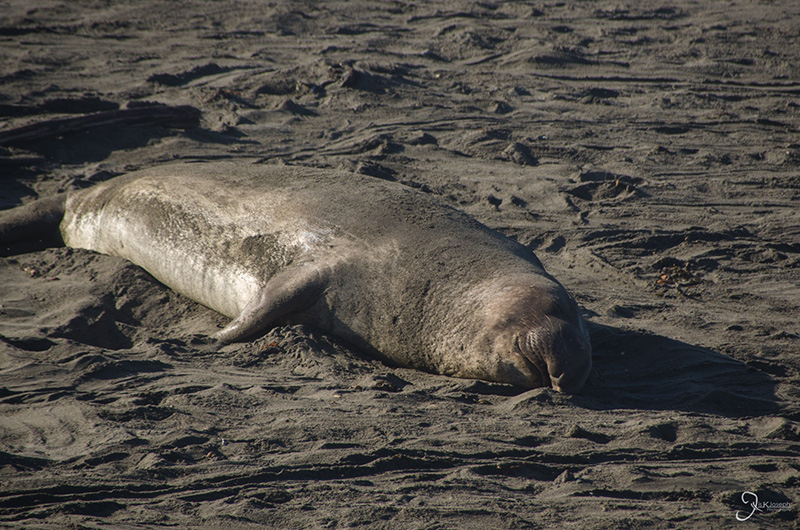
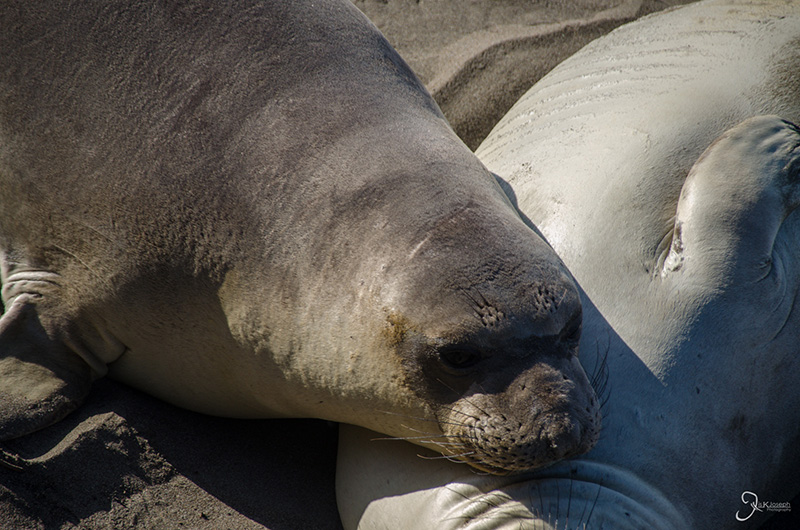
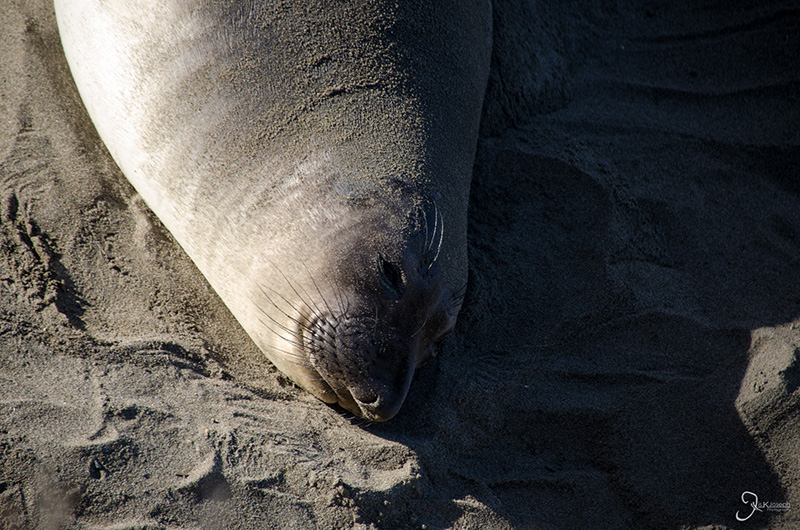
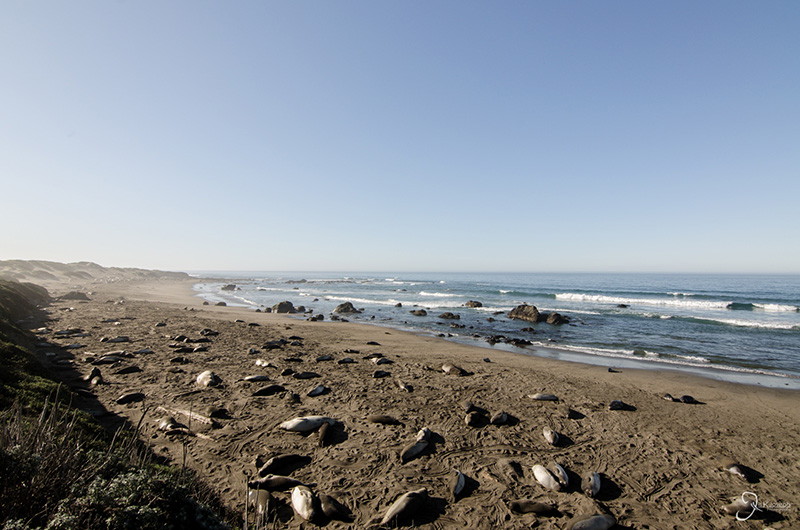
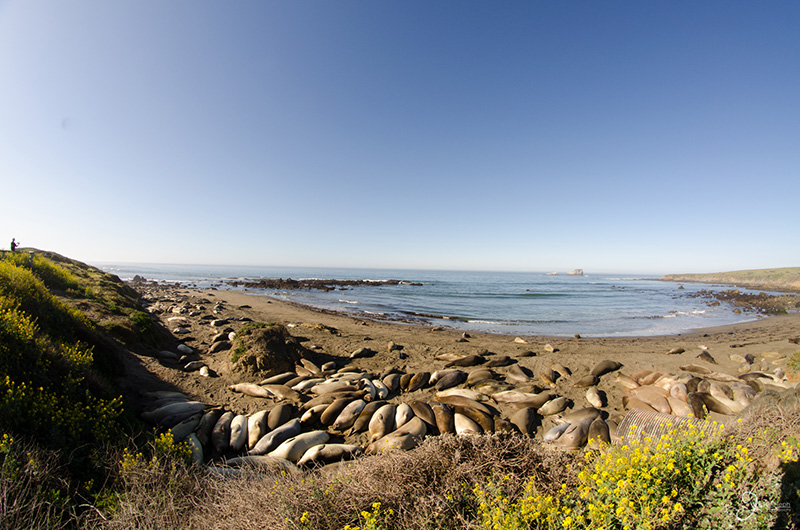
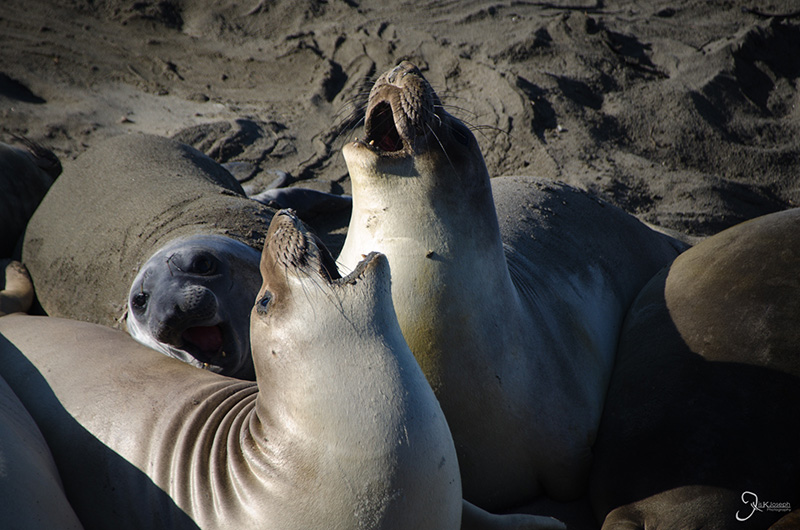
What many consider the southern end of Big Sur is the small town of San Simeon which is home to two major attractions. The first being the elephant seal vistas just off of the Pacific Coast Highway. Elephant seals spend at least half the year on this coast, mating, roosting, raising their pups, malting their fur coats. My visit to their beaches was just a few weeks after the pups were born.

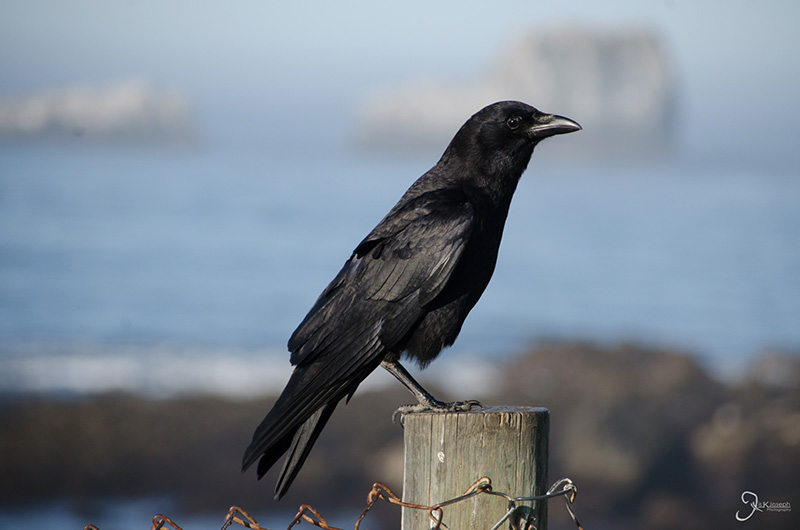
Throughout by trip this was the most common animal I saw. From the parking lots of Tallahassee, to the barren deserts of Arizona, all the way to the Pacific coast, there was always a black crow near by.

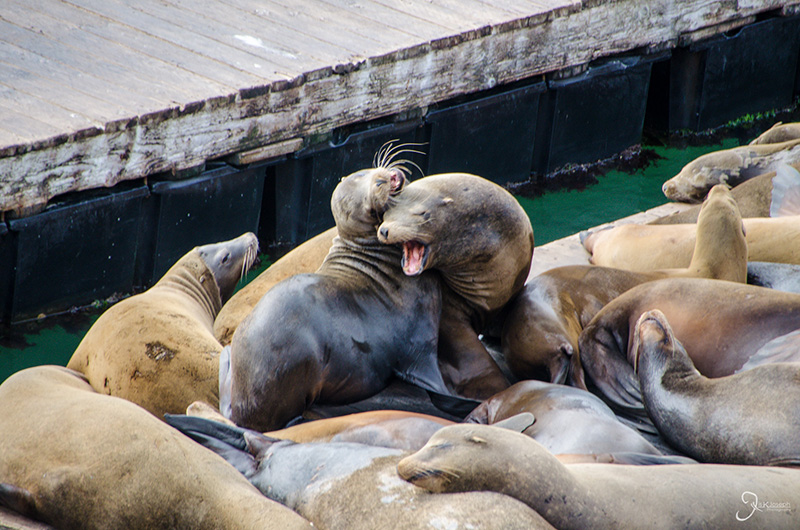
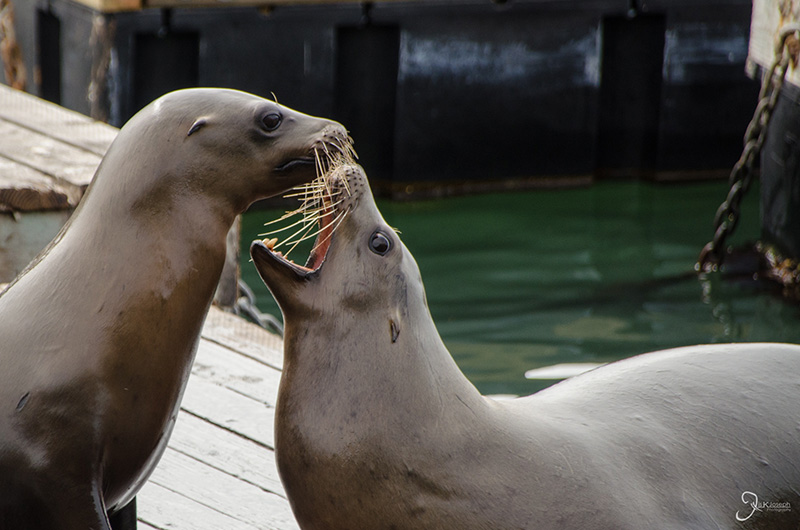
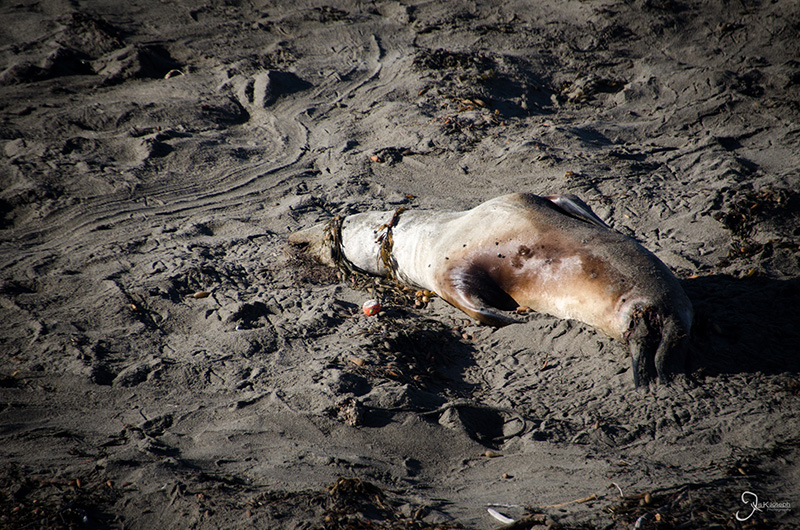
Either by clashing with the elephant seal bulls or simply by washing ashore, a dead Californian Sea Lion lays on the beach.

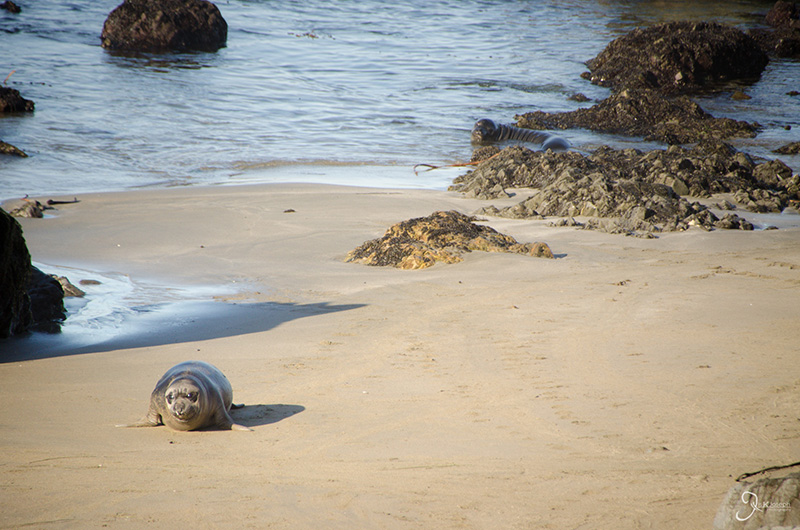
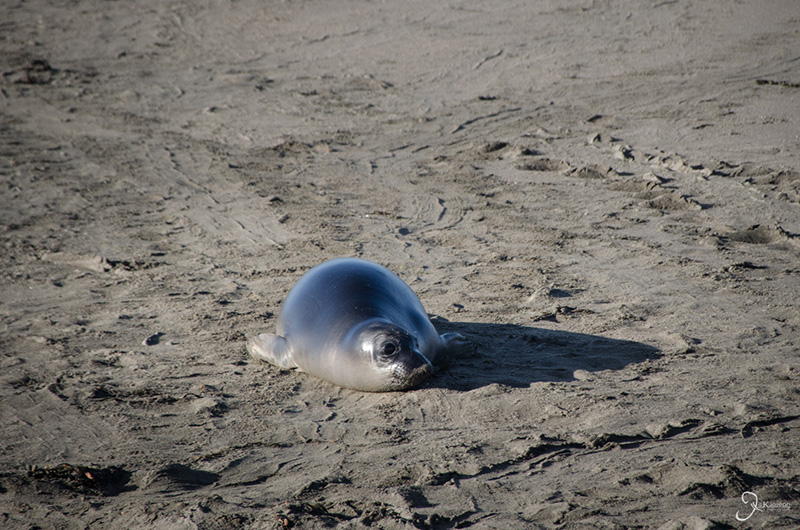
An elephant seal pup climbs ashore.

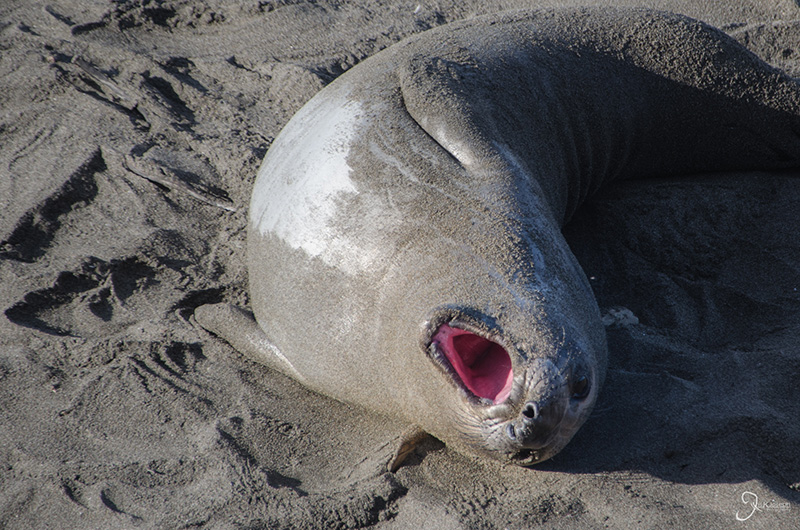
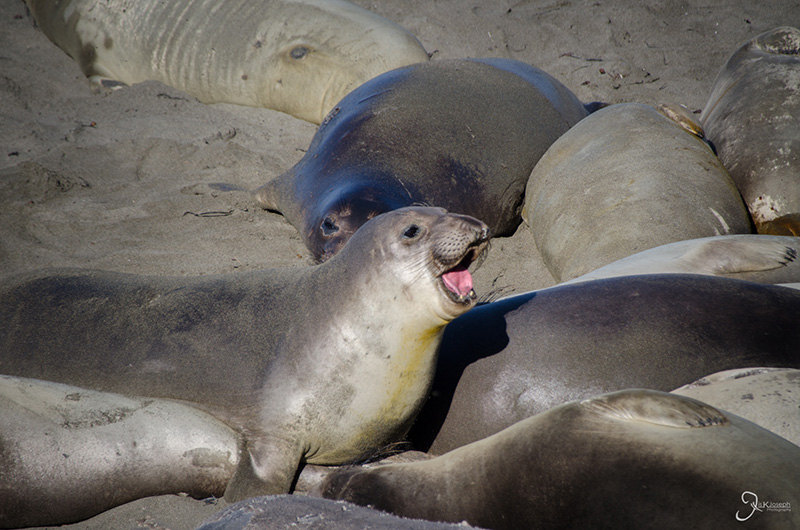
Say ahh!

The circle of life folks.

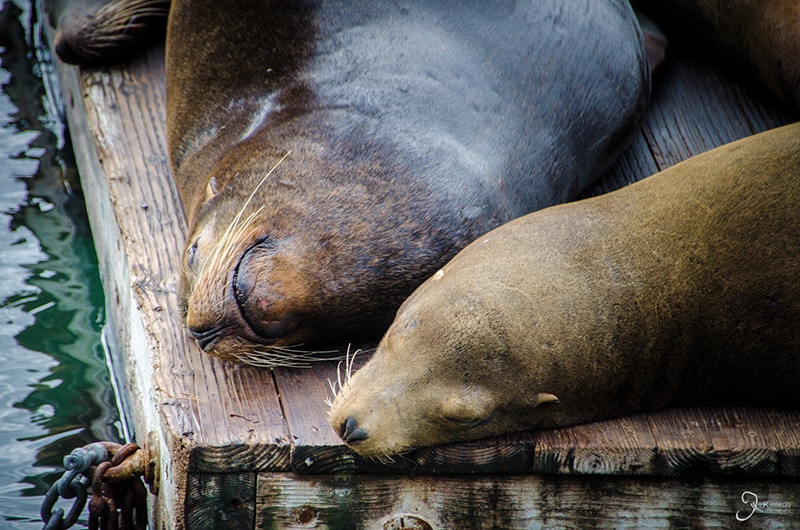
The lazy, and exceptionally large, elephant seal bull.

With all the beached bodies in this scene, this looks like a massacre.

Another massacre.

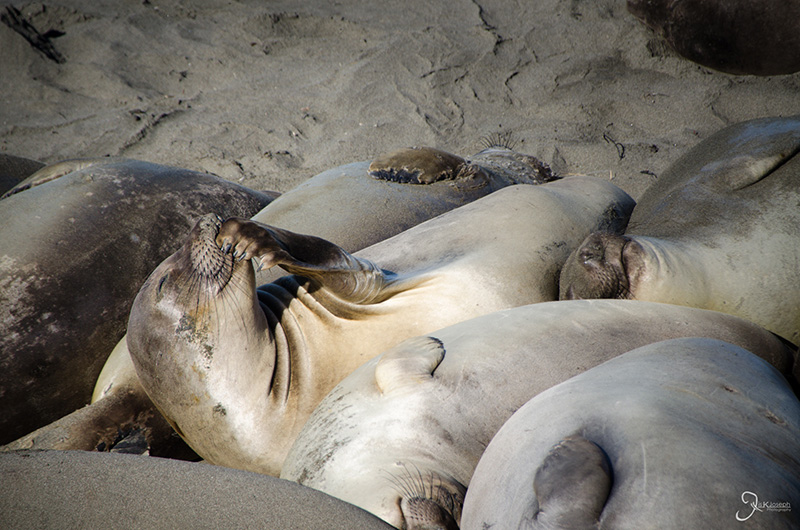
We've all had to scratch that itch.
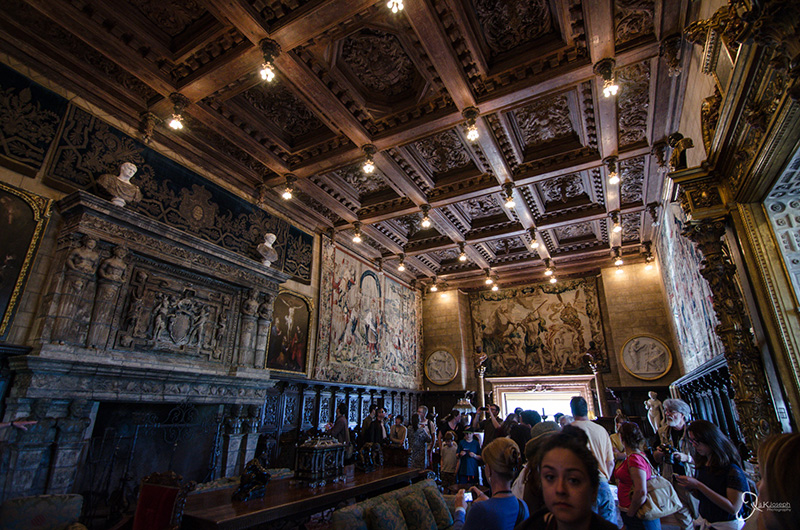
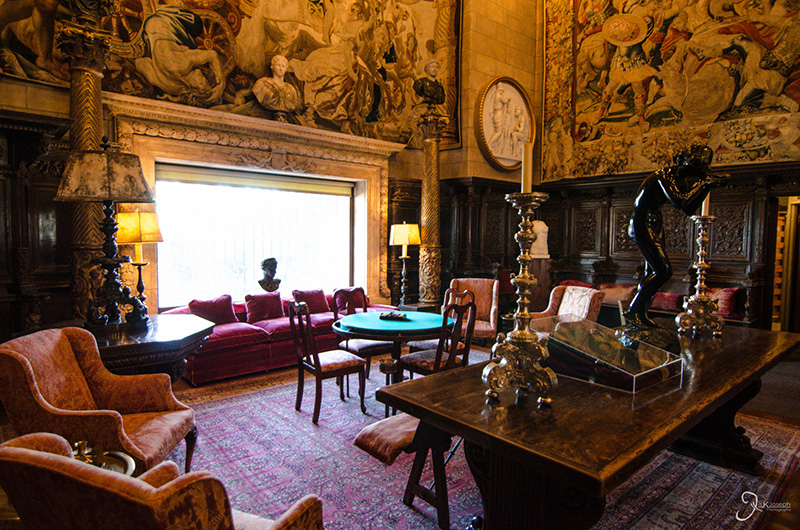
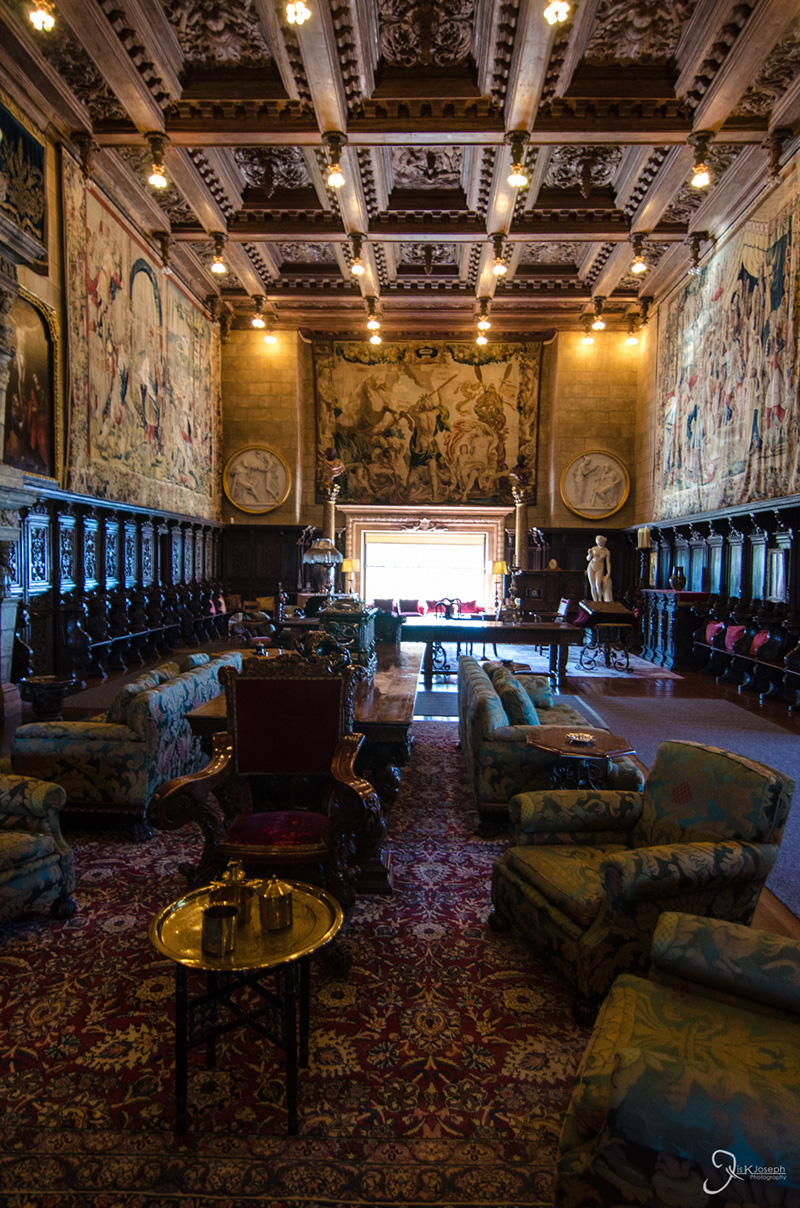
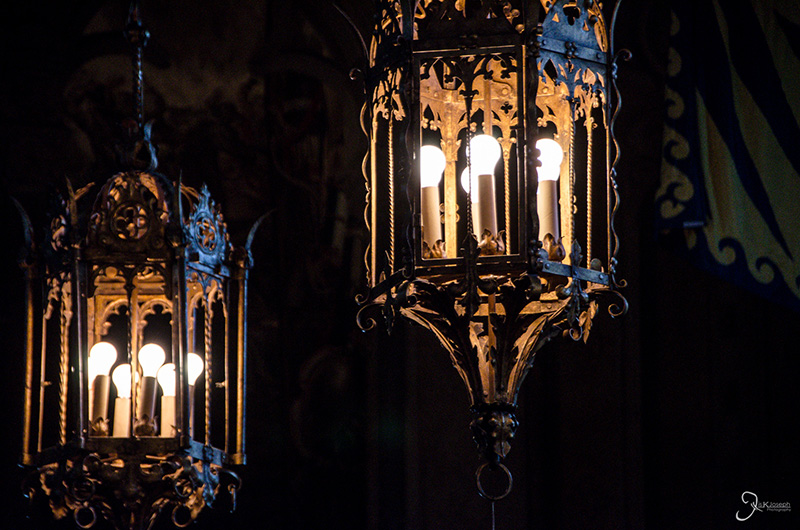
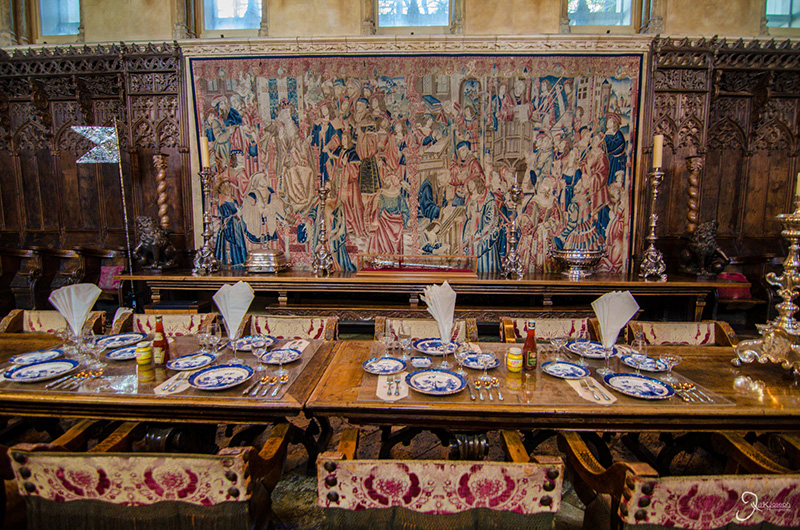
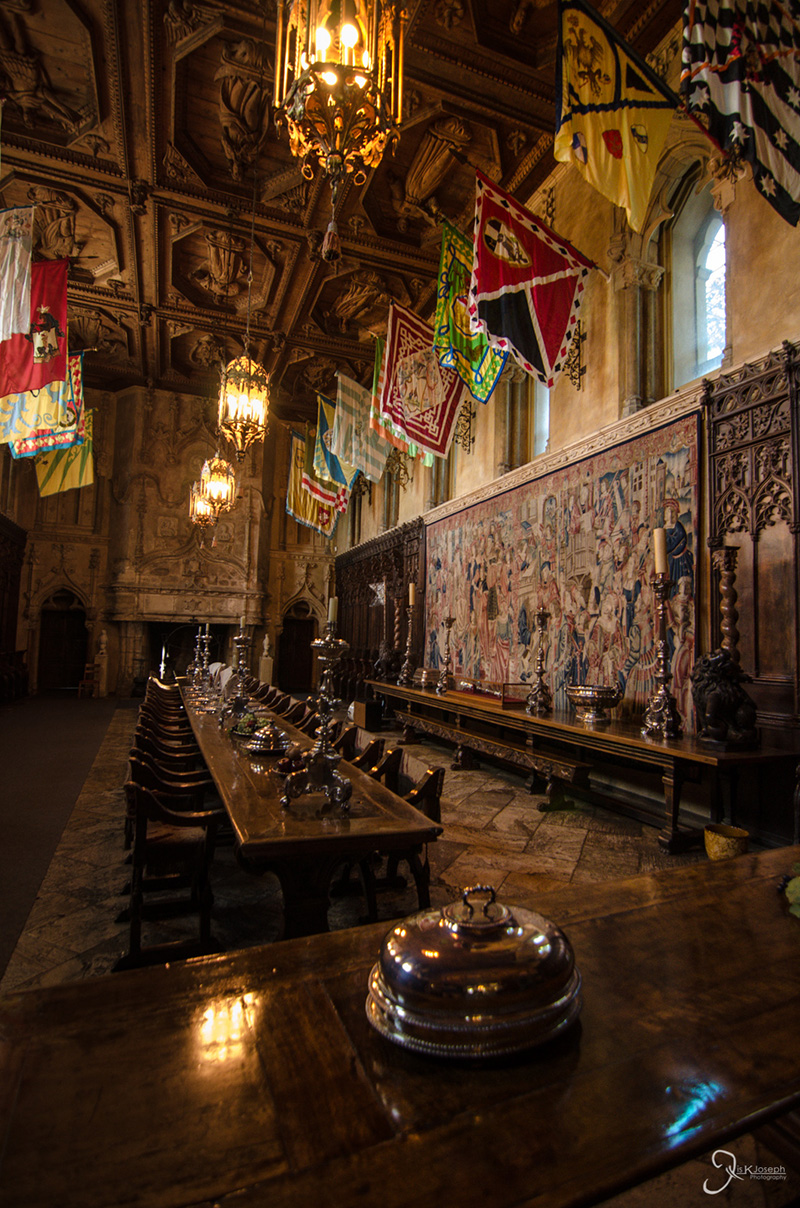
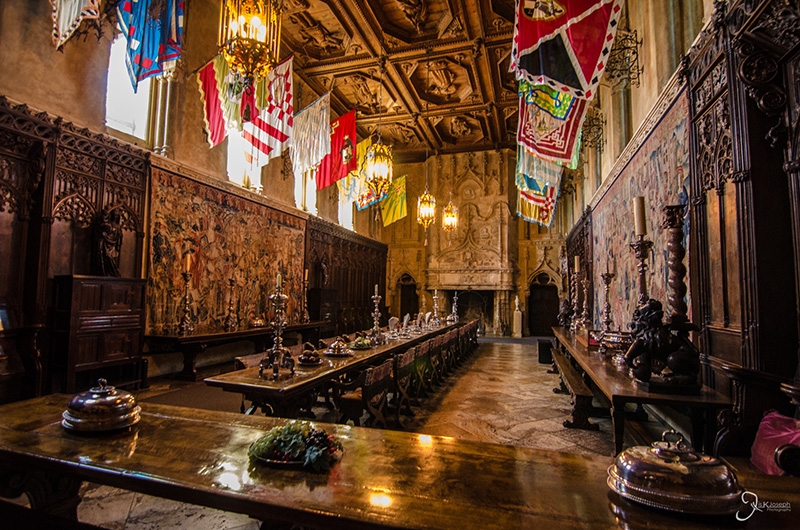
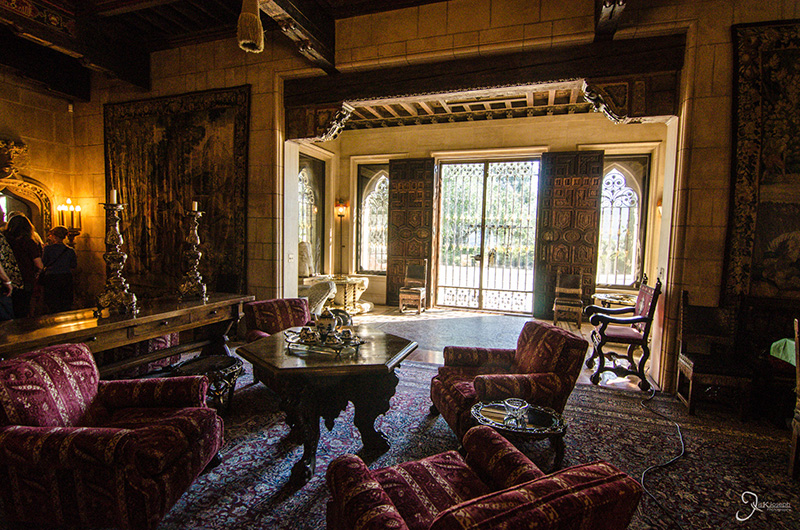
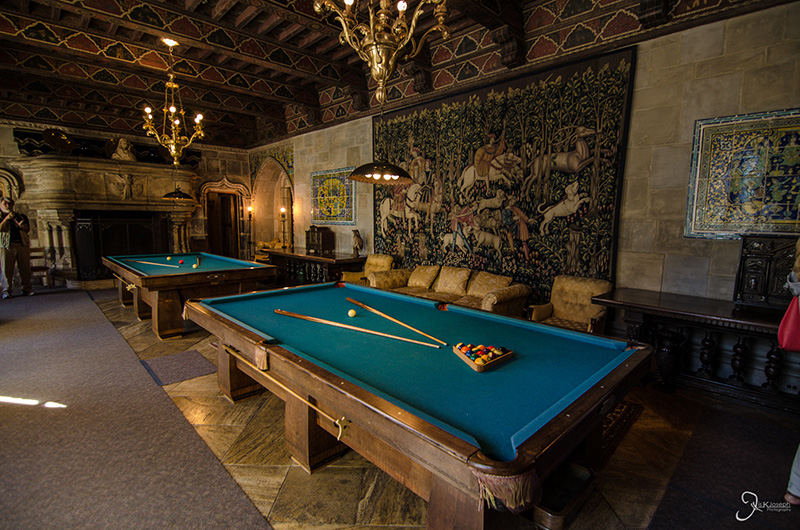
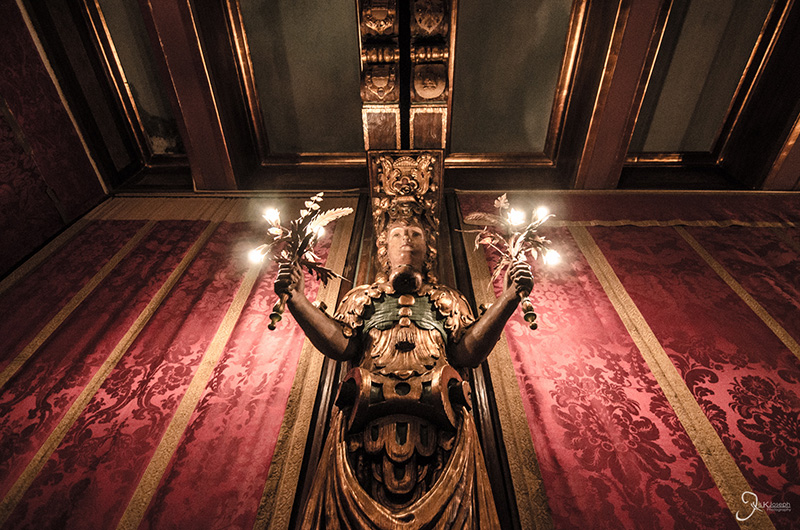
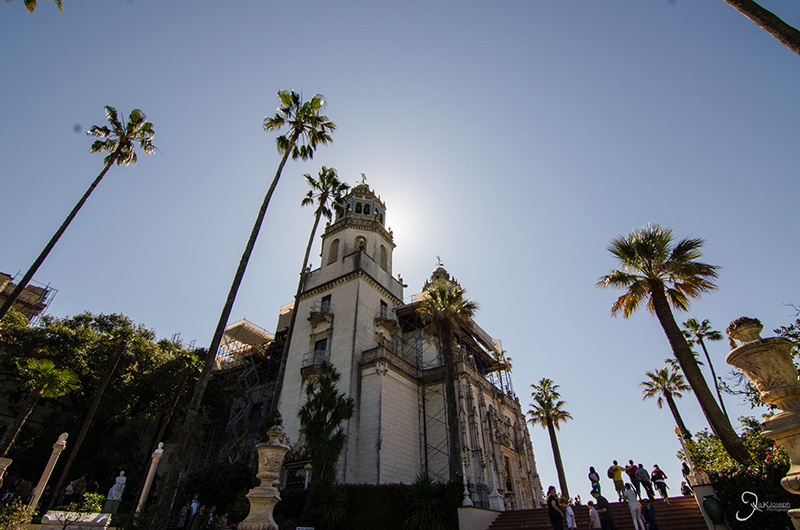
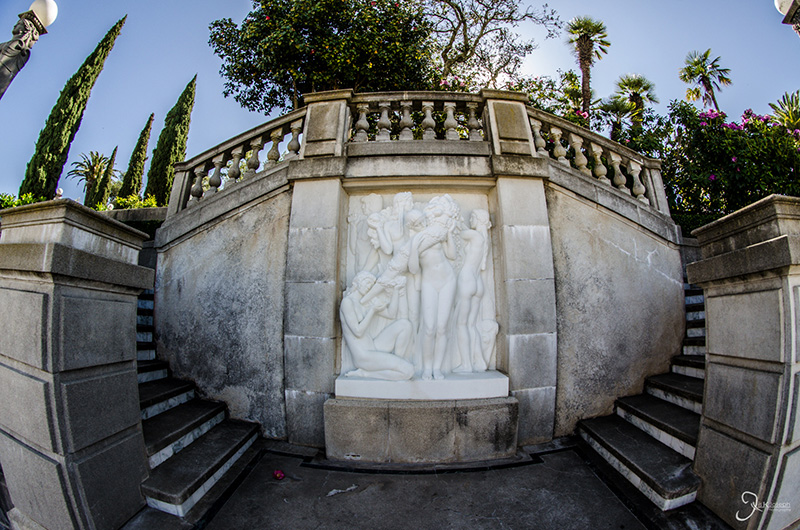
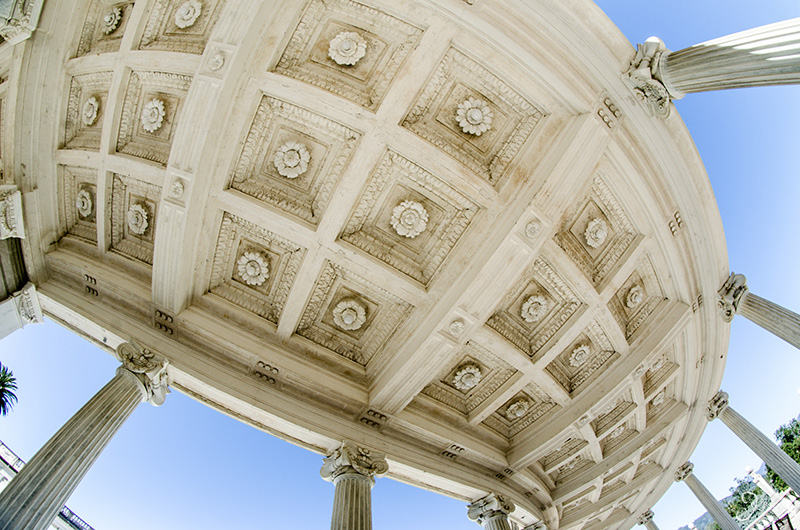
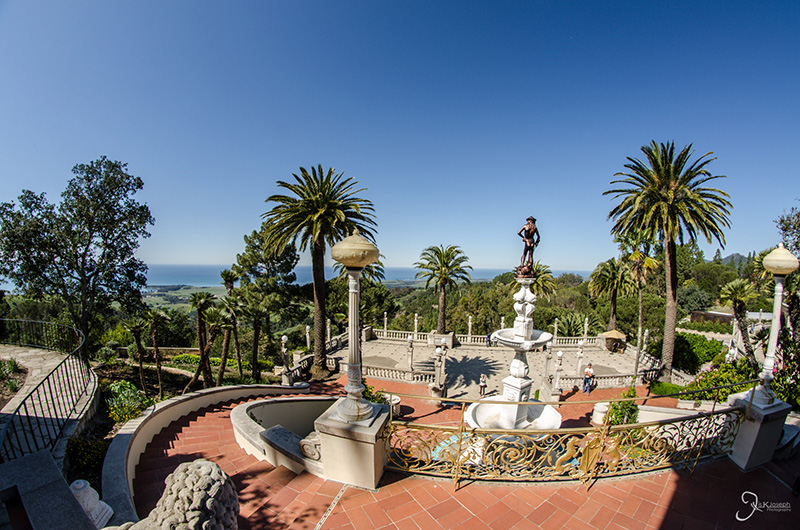
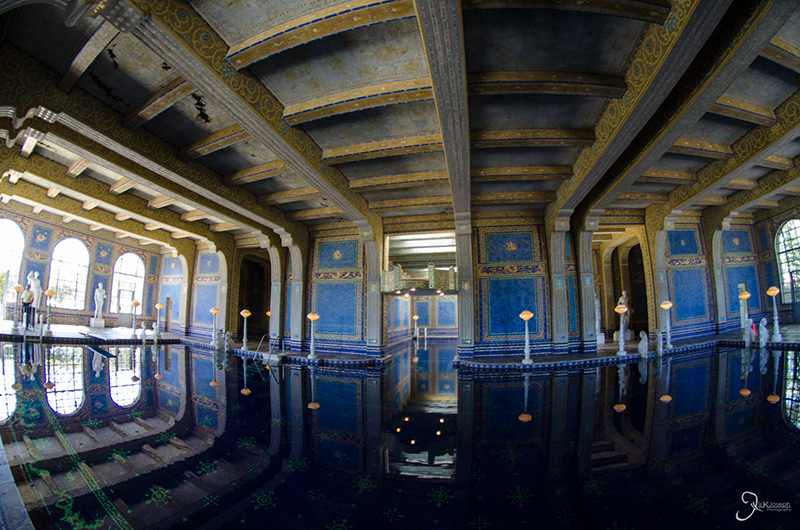
What many consider the southern end of Big Sur is the small town of San Simeon which is home to two major attractions. The second attraction in San Simeon is Hearst Castle. Built by William Randolph Hearst during the first half of the 19th century, this large estate defines what it's like to be filthy rich. It was designed by architect Julia Morgan between 1919 and 1947 for newspaper magnate William Randolph Hearst, who died in 1951. The large stone estate was Mr. hearst's home, but also a venue to entertain his celebrity guests with the estate's extravagent rooms, tennis courts, theater room, pools, and zoo, each surrounded by imported artifacts from all over the world.

Good milk comes from happy cows. Happy cows come from California.
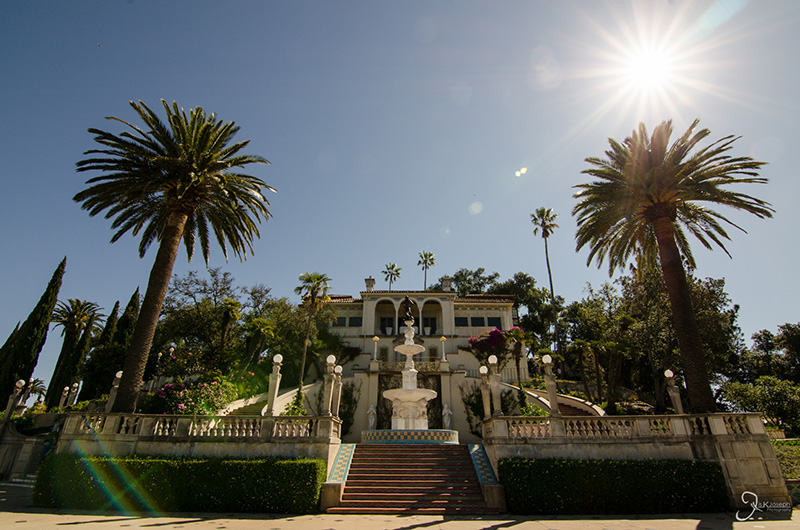
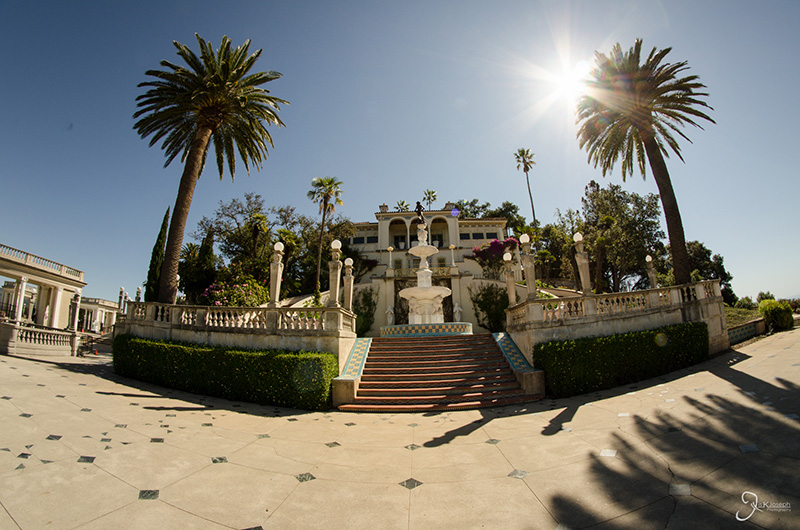
The Hearst Castle front lawn.

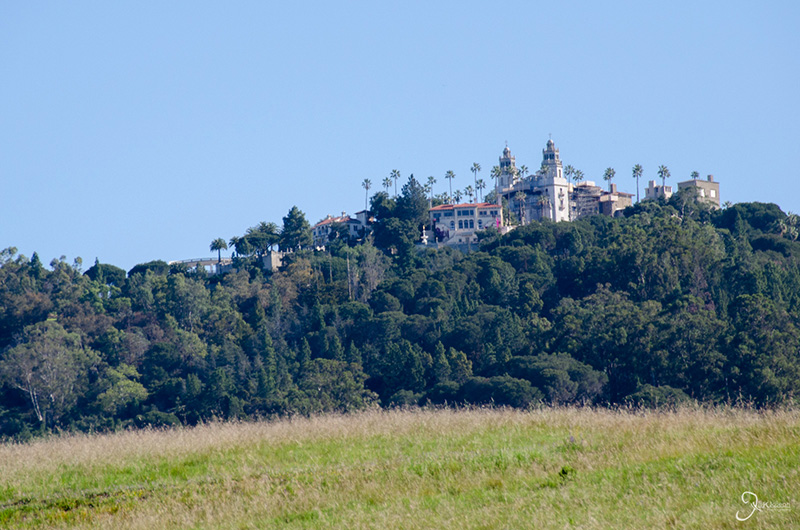
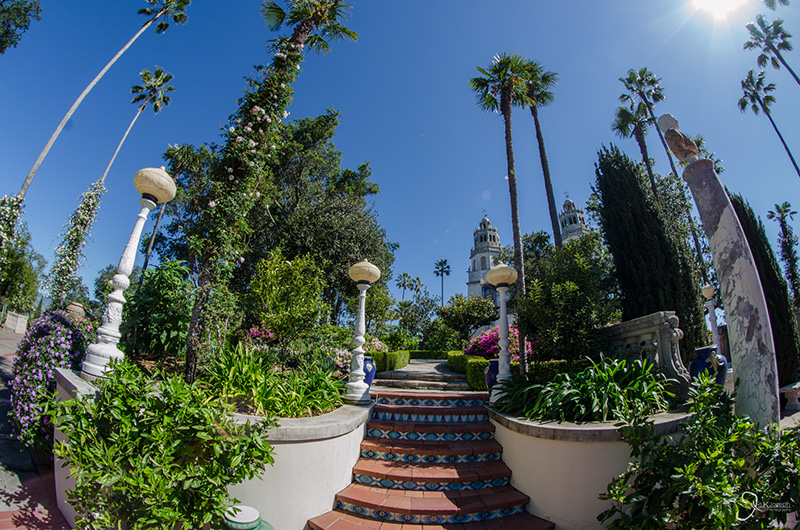
A view of Hearst Castle from the roadside used by us everyday peasants.

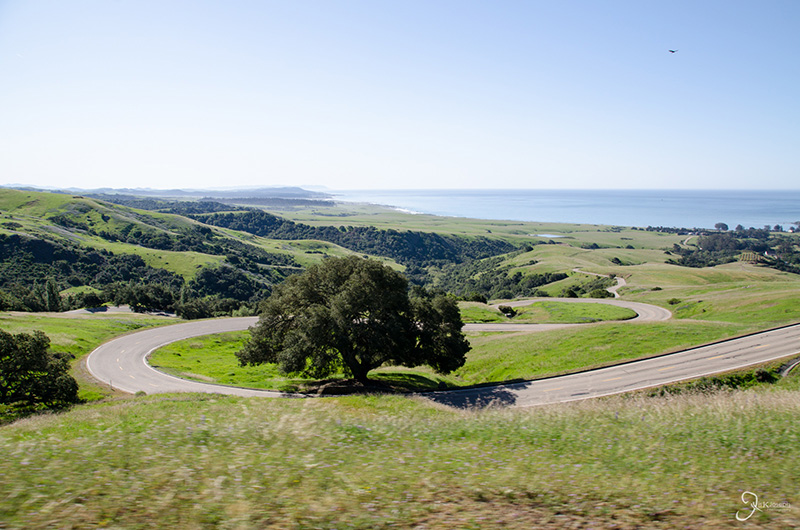
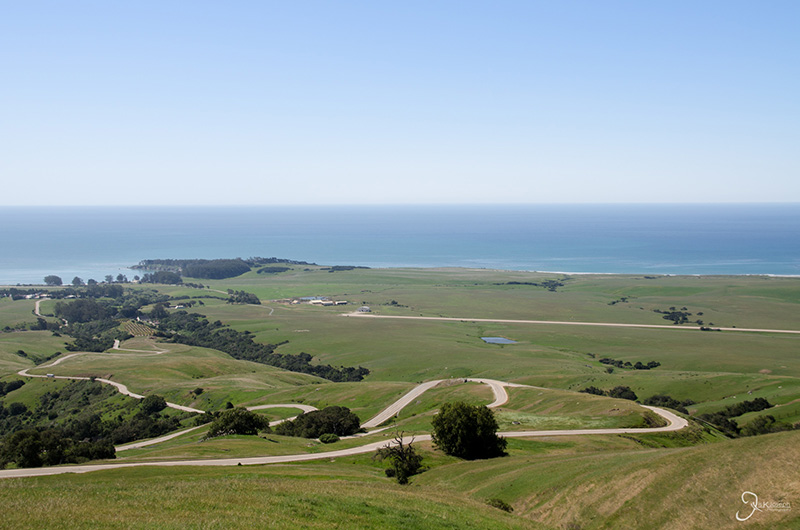
This is William Hearst's driveway to his castle. 4 miles long.

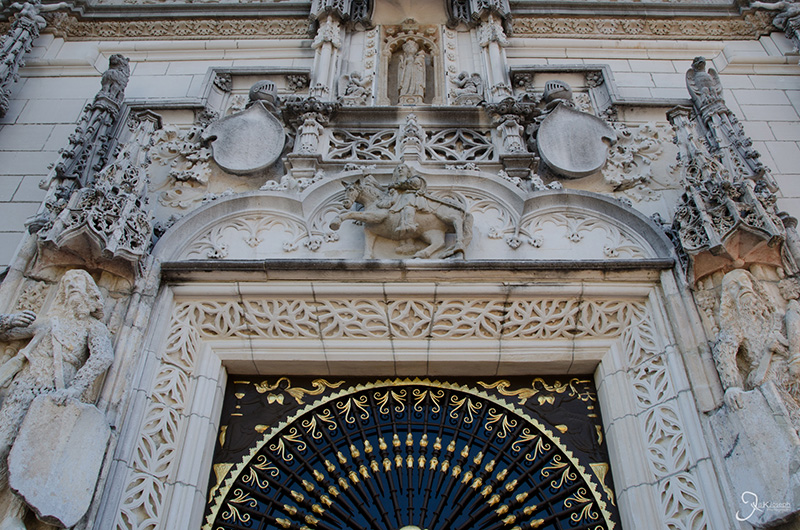
The front door entrance into the castle.

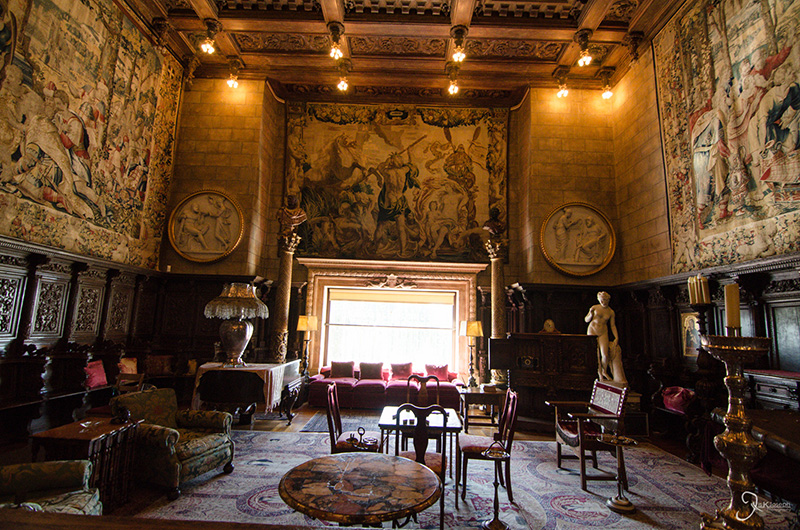
The first of many entertainment rooms. this room was often used by Hearst guests to play card and board games.

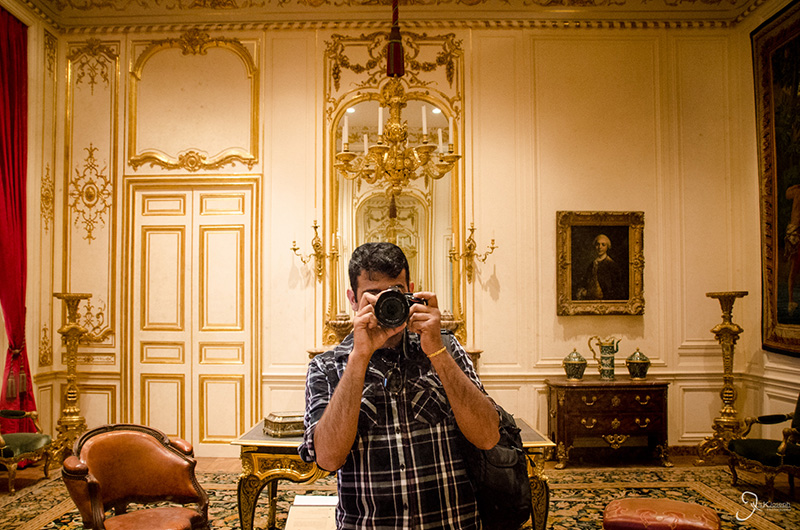
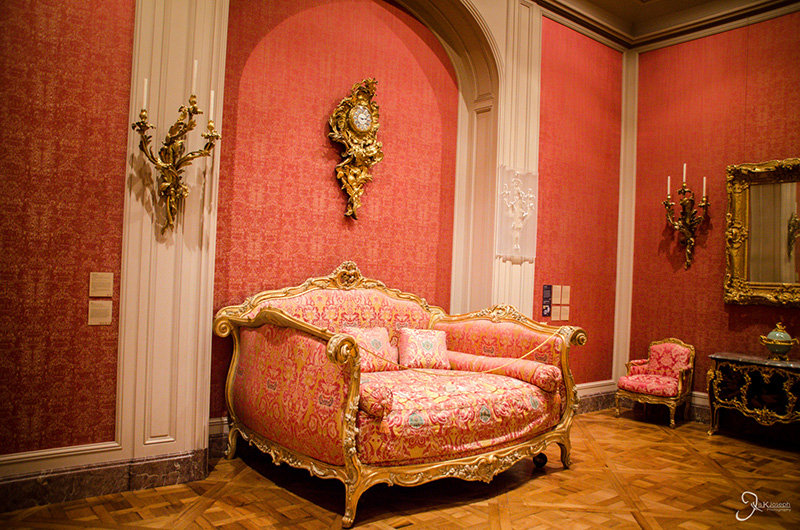
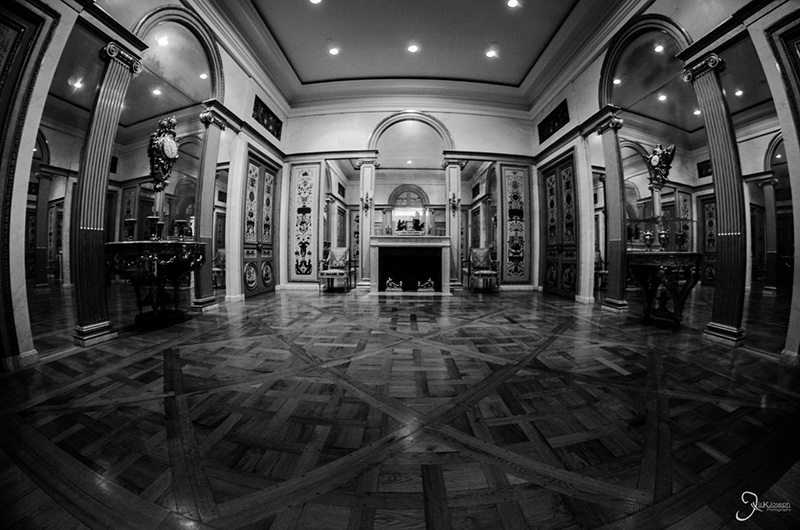
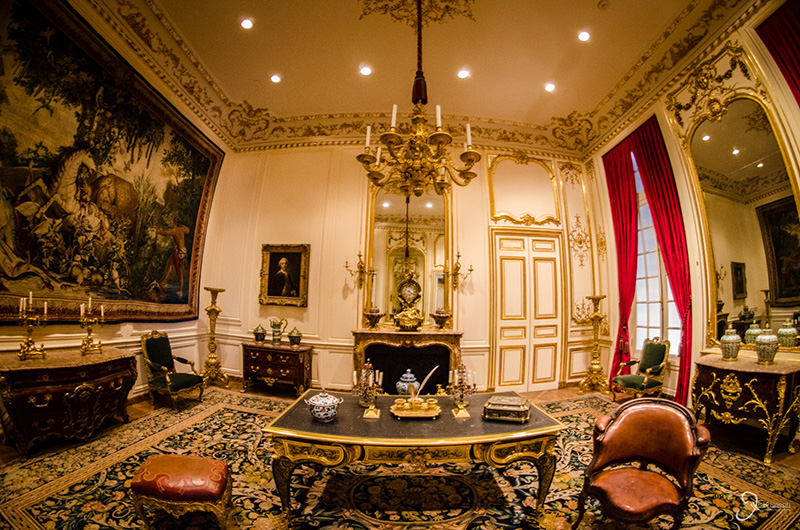
Many of the items in this room were imported from Europe. After all the destruction that the World Wars had caused, William Hearst sought to protect many works of art from additional conflicts by keeping them in his estate.

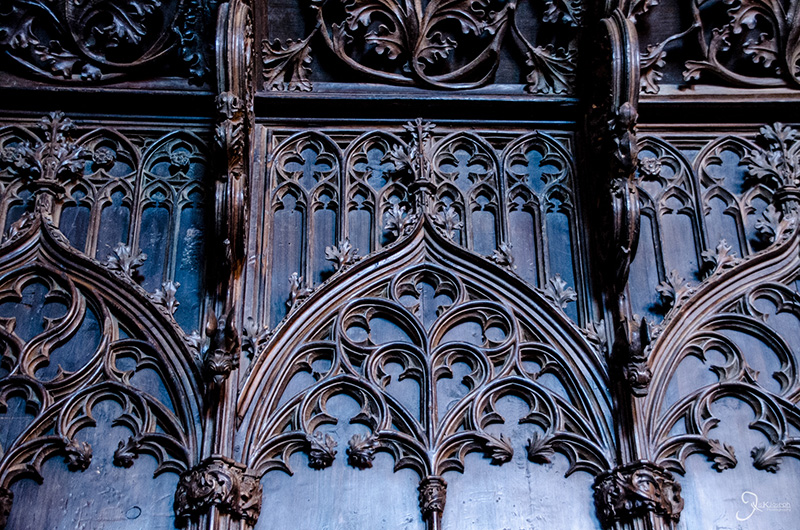
The wooden interior was imported from a european church.

Dining in style.

This looks like it could be another wedding scene from Game of Thrones.

The game room.

One of the ornate lamps that light the theater room.

Unfortunately, the Castle's exterior was undergoing some renovation.

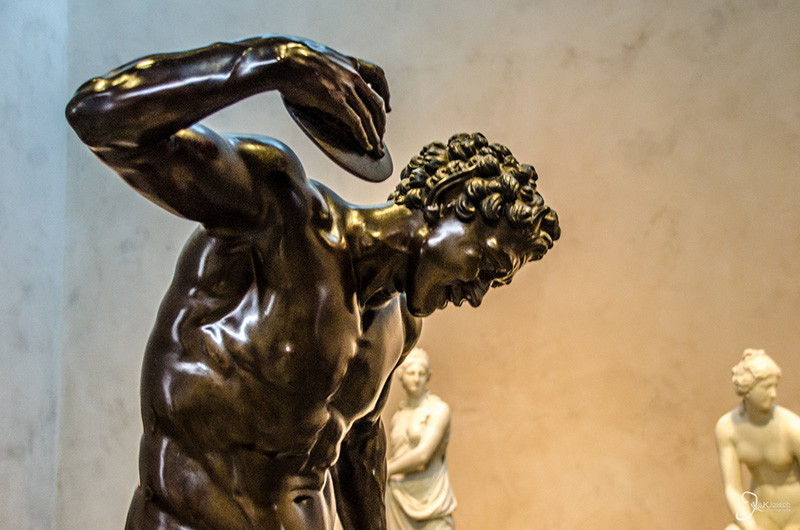
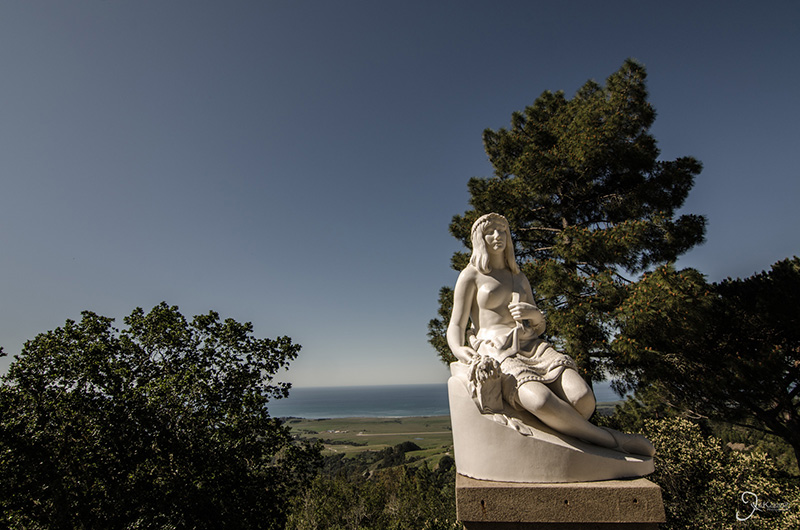
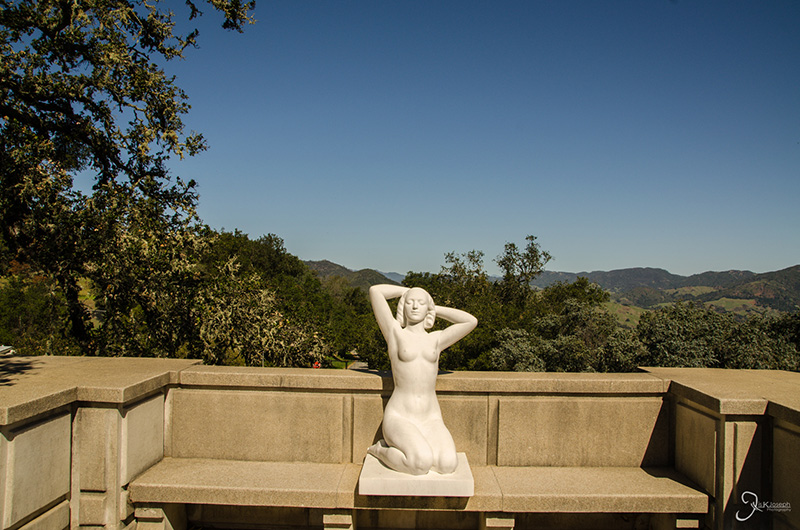
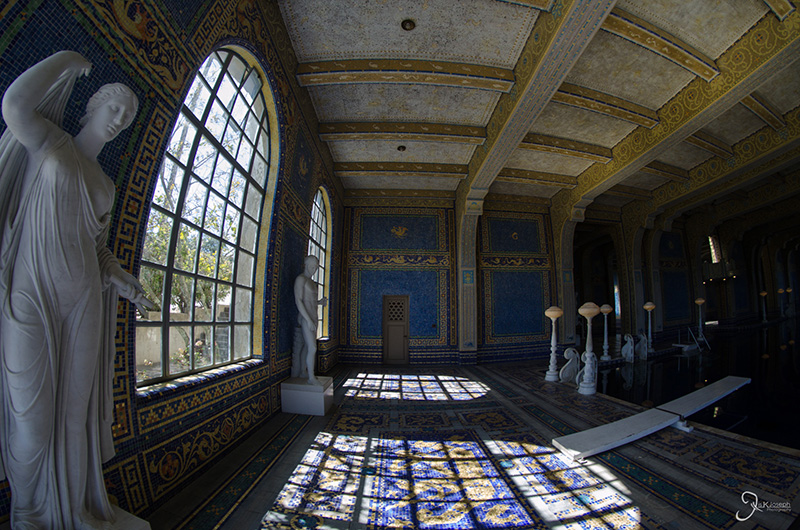
The easiest way to make a statue a work of art is by making it topless.

One of the guest houses.

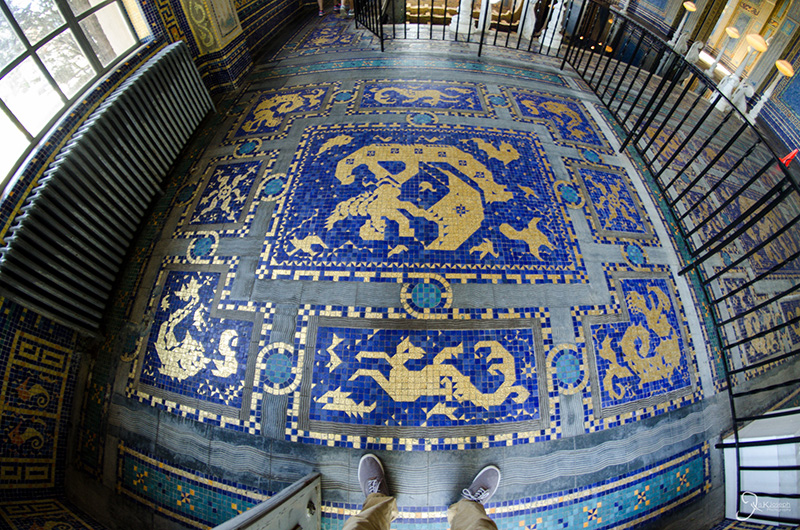
About to walk on 24 karat gold tiles.

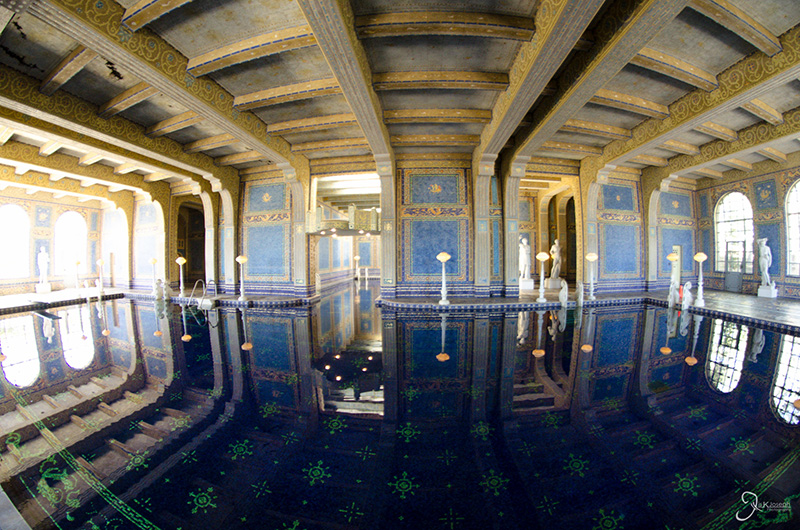
The indoor pool room is surrounded by 24 karat gold tiles.

A view of the front yard and driveway from Hearst Castle.

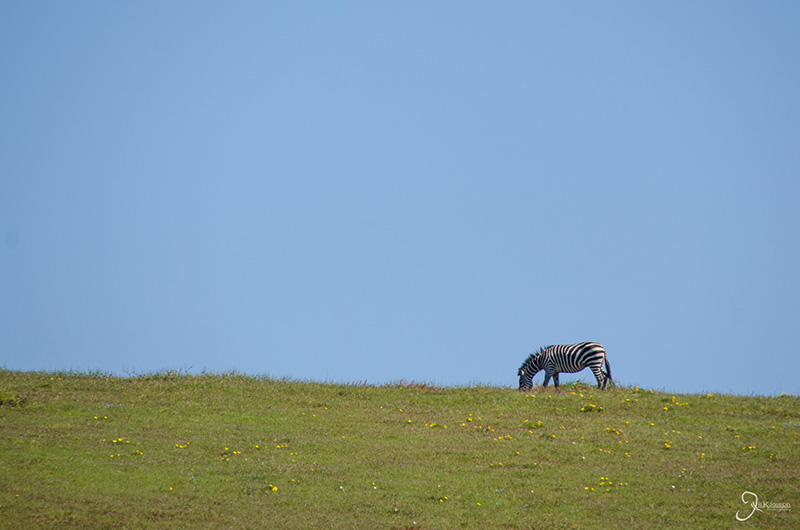
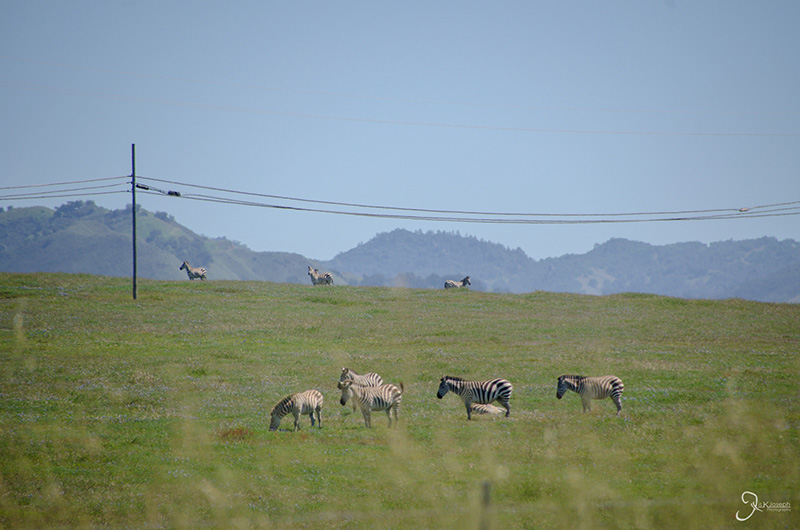
One of one hundred seventy zebras grazing on Hearst Castle property, all descendants of the original zebra's from William Hearst's zoo.

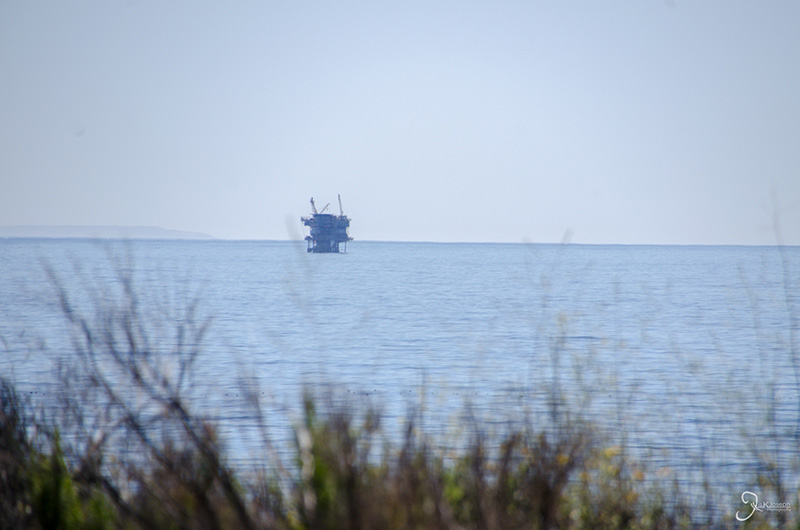
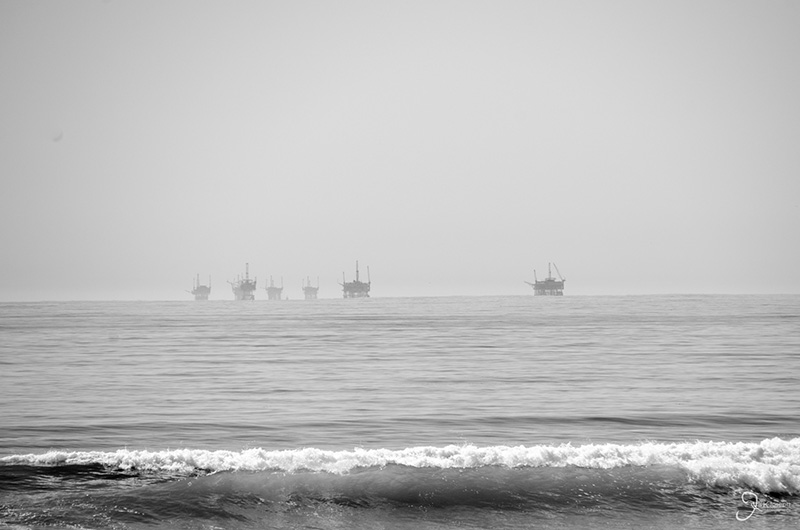
Oil rigs dot the Californian coast as I approach LA one last time.

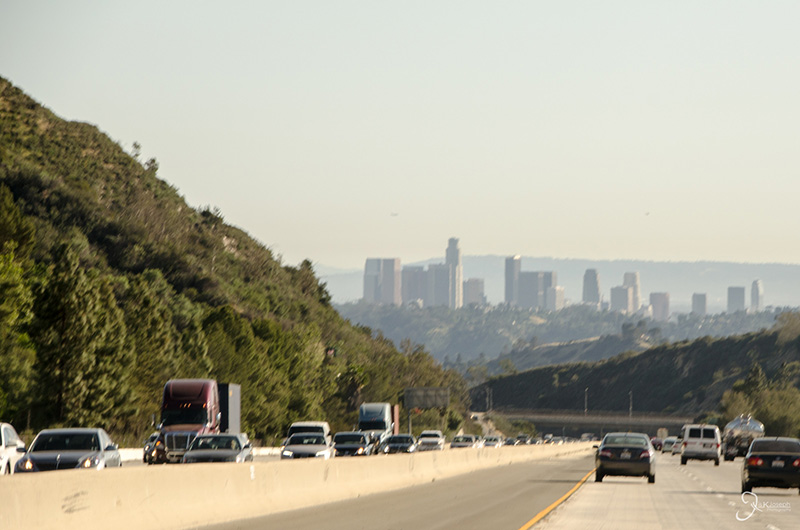
The thick line of brown haze is a disgusting reminder of what I'm breathing in.

Ugh. Los Angeles.
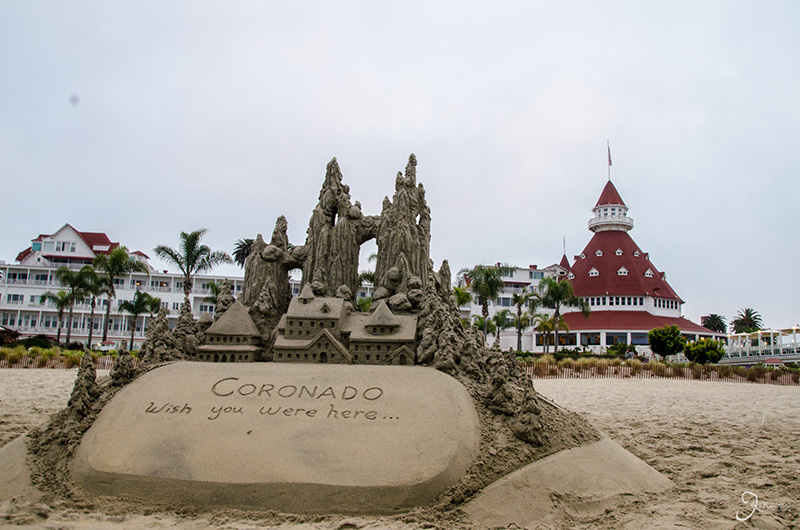
If I had to choose one Californian city to live in, it would be San Diego. It has a good balance of eveything: nightlife, light traffic, beaches, parks, great entertainment... it reminds me a lot of Tampa. After checking out of the Conference, I decided to quickly explore some of the city's sites. Coronado Island is a major tourist destination, known for its military base, its beach, and the famous Coronado Hotel.
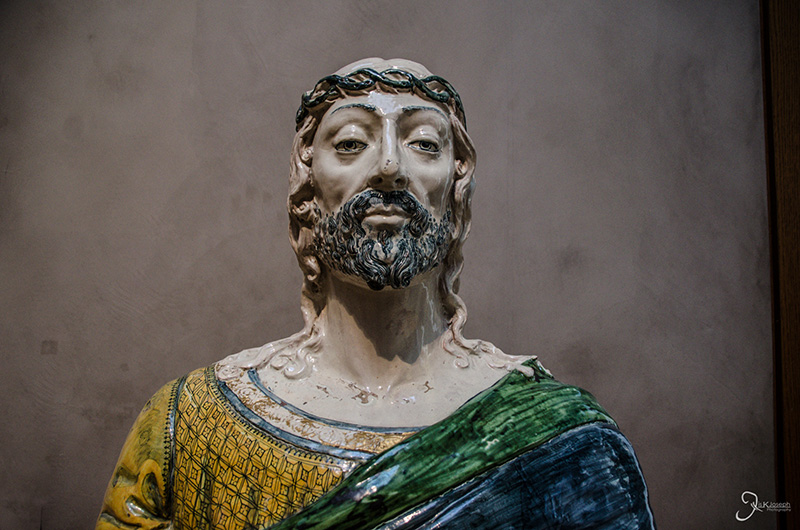
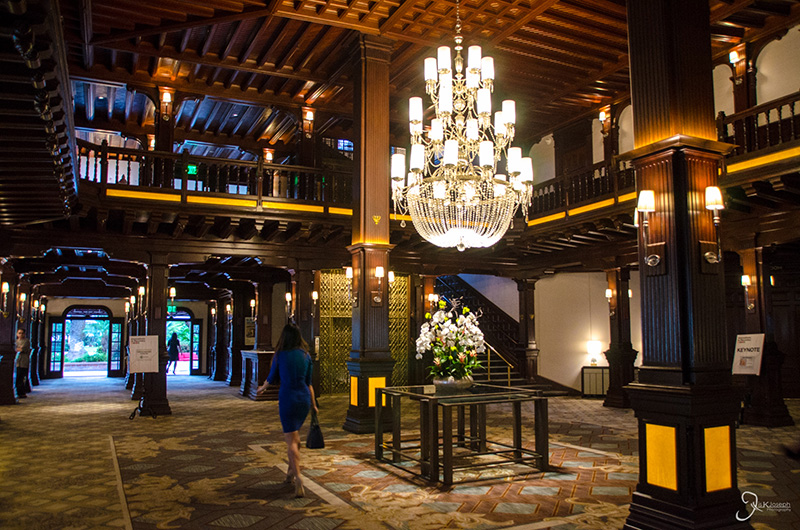
Inside the lobby of the Coronado Hotel.
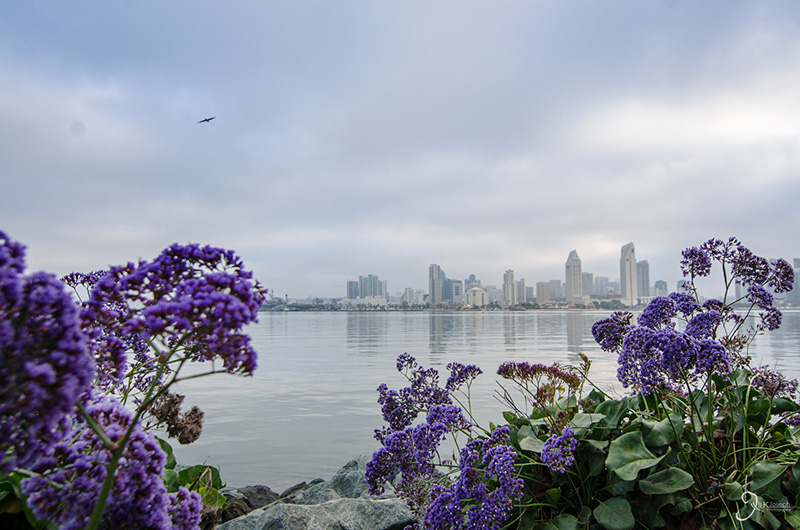
A view of the San Diego Skyline from Coronado Island.
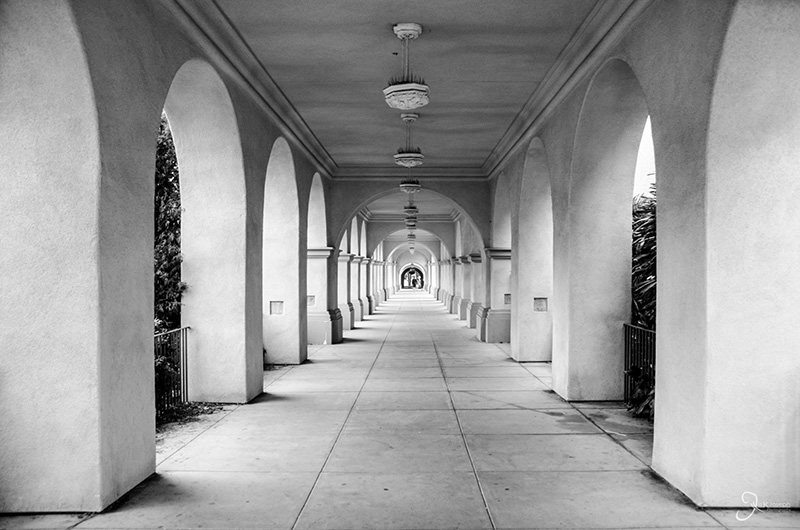
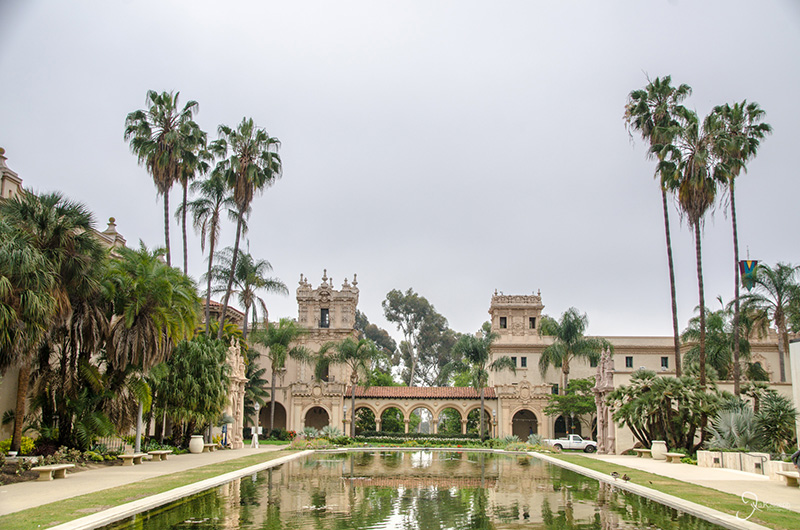
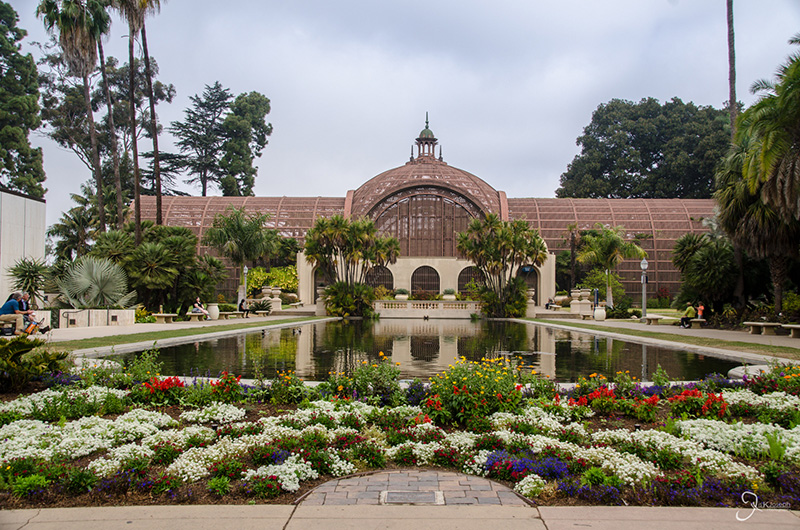
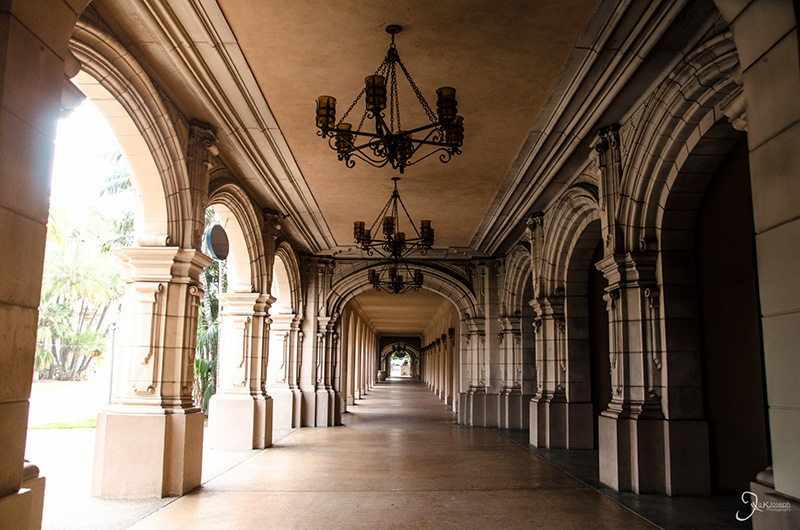
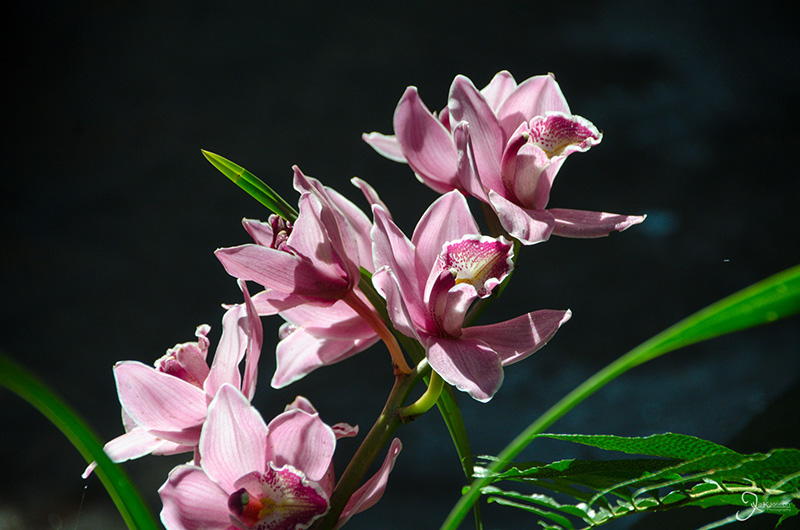
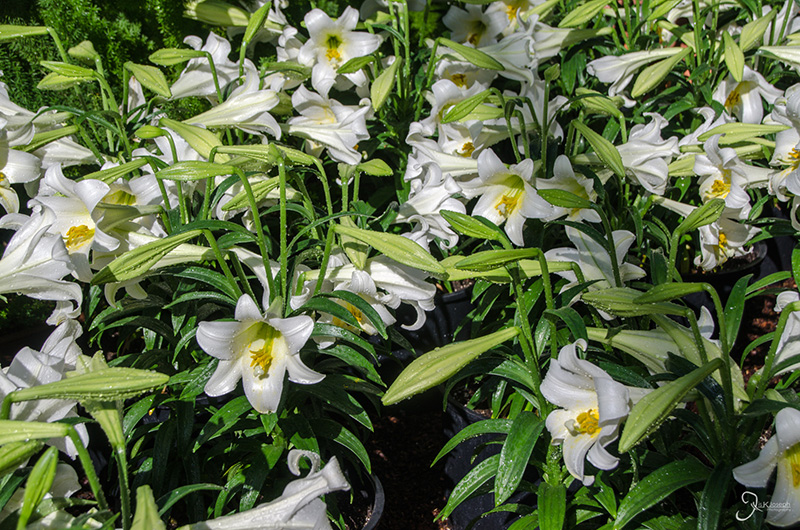
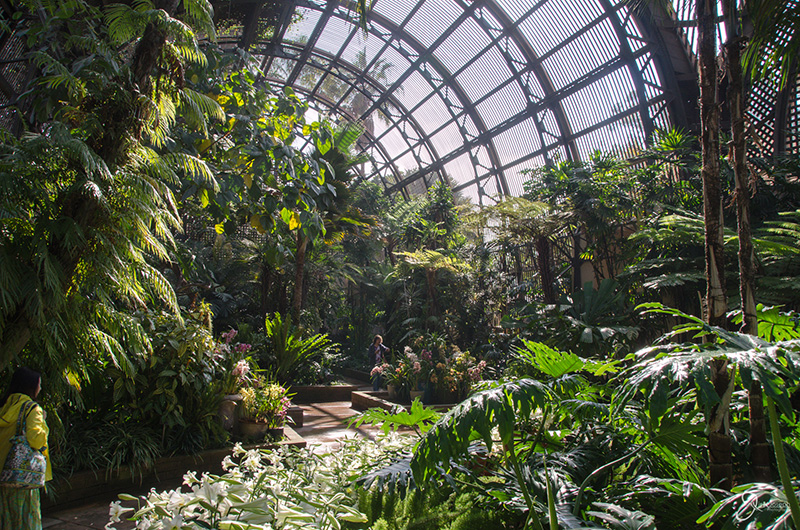
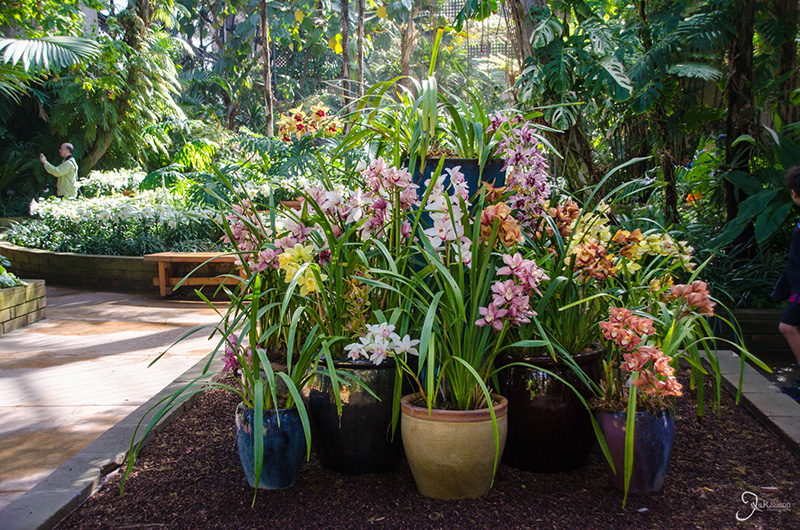
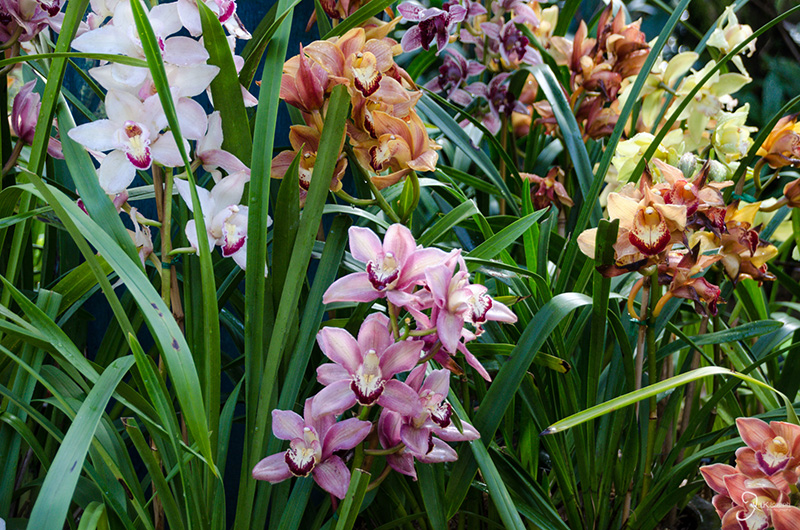
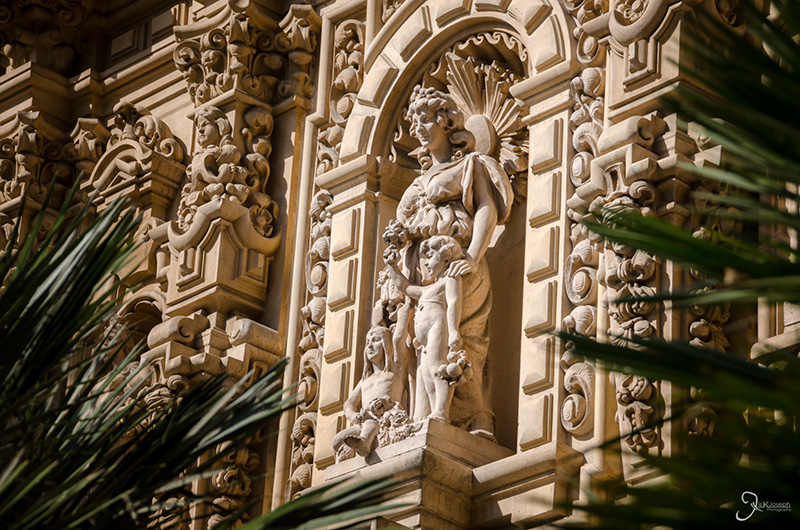
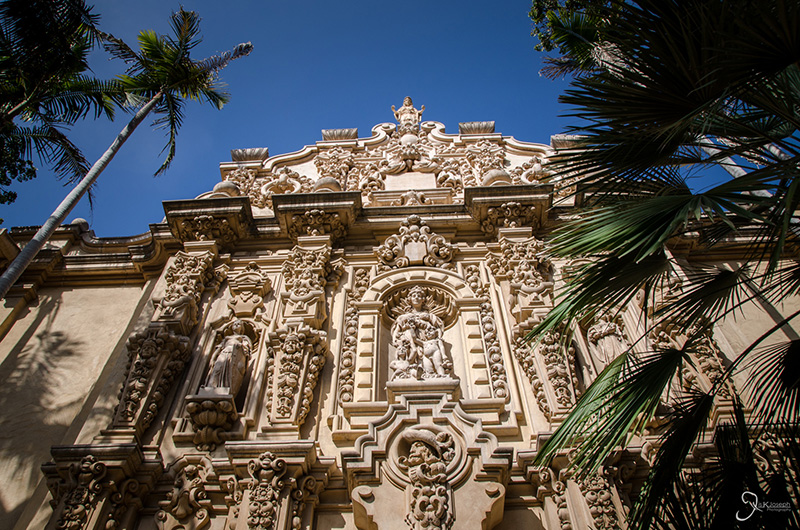
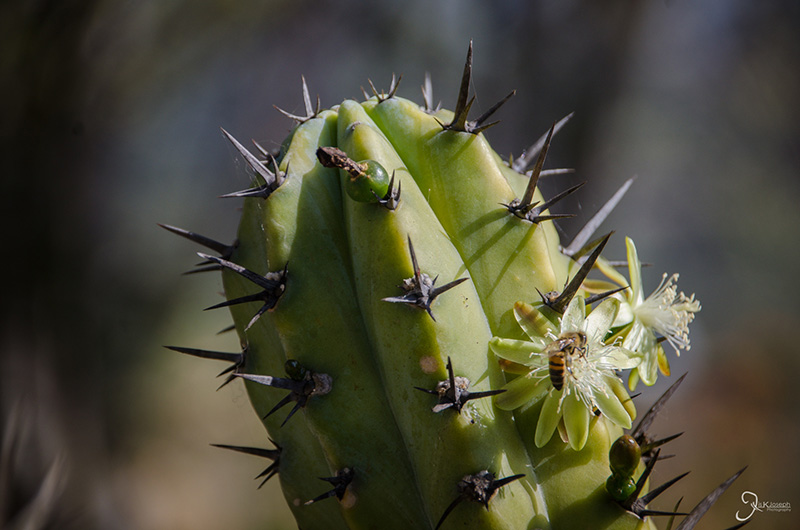
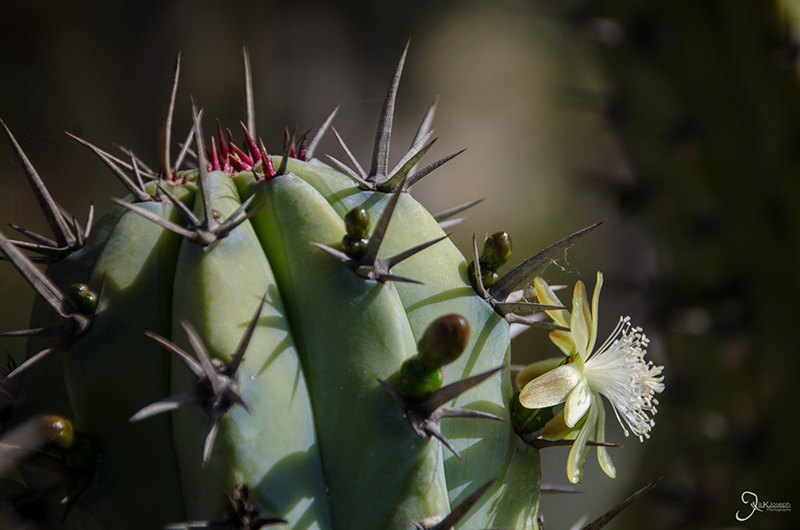
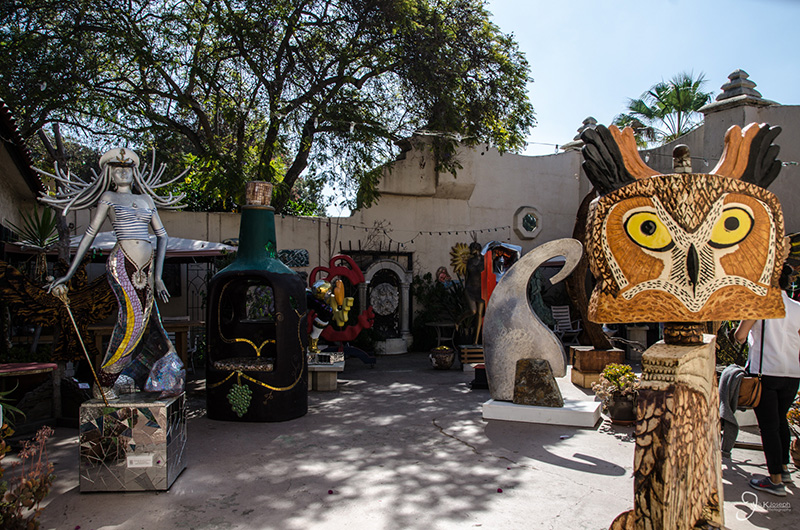
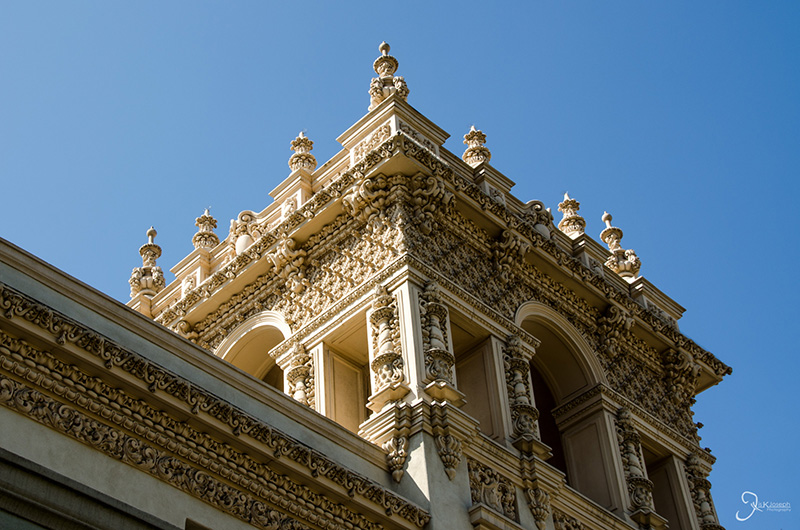
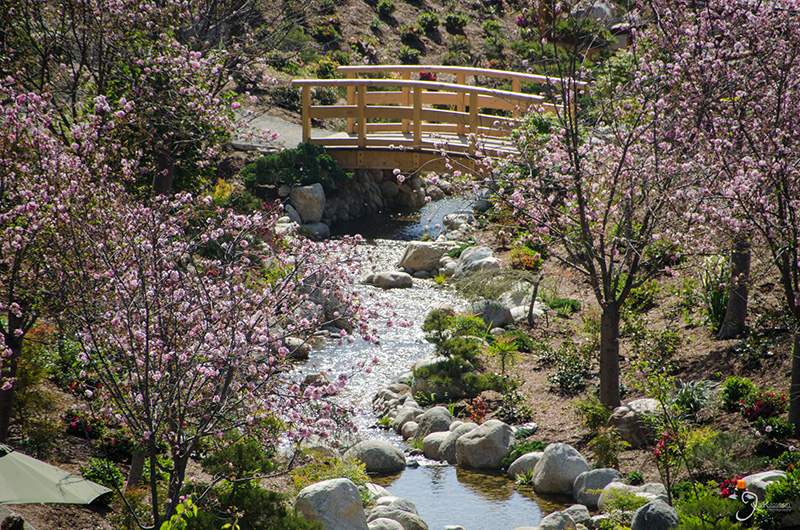
Unfortunately, despite the multiple let downs of planning to go to an art museum on Mondays, I never actually learned that most art museums are closed on mondays. Thus, my visit to Balboa park was only a couple hours long, enough for me to stop and smell the roses.

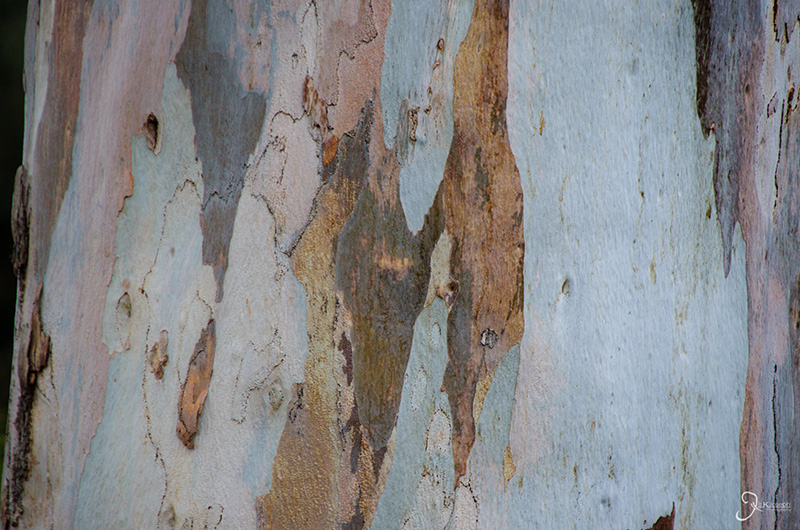
Eucalyptus bark.

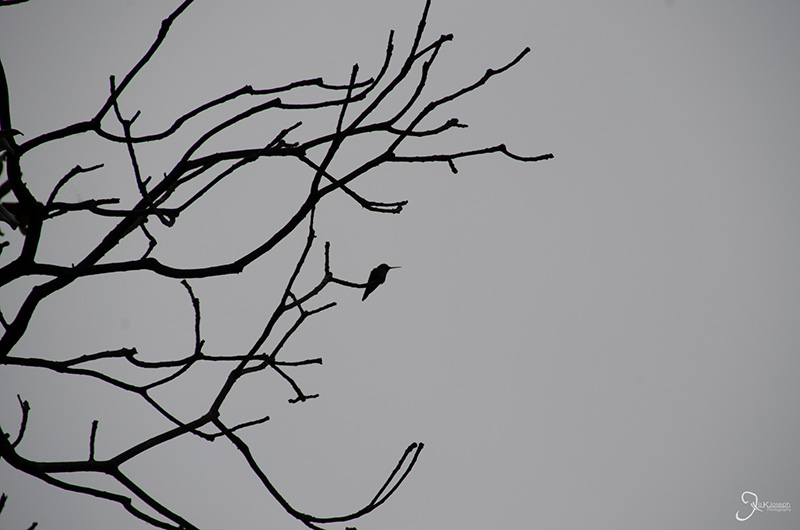
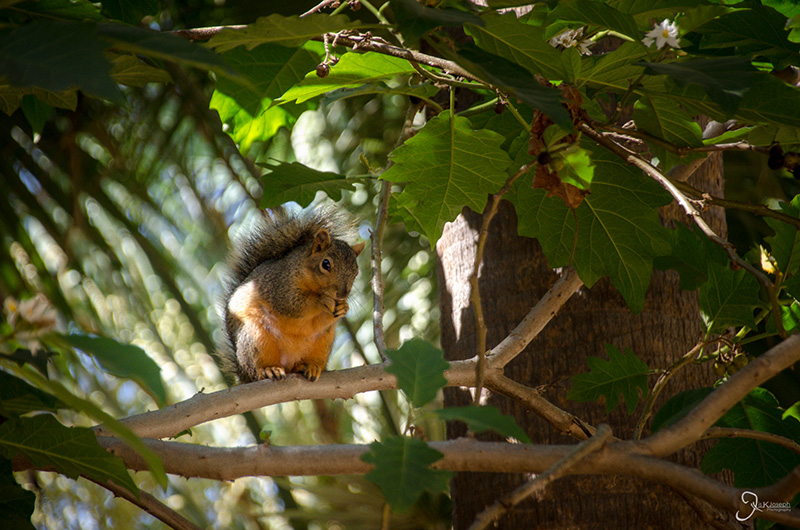
A hummingbird at rest.

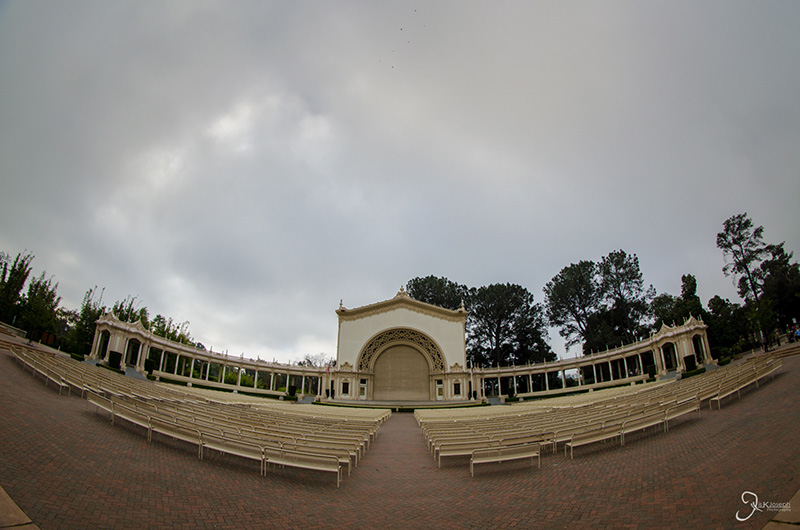
One of the largest organs in the world... was closed.

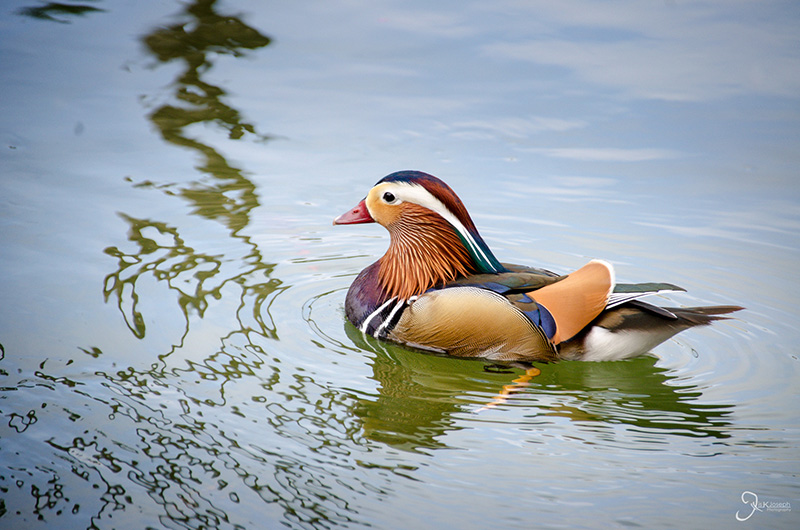
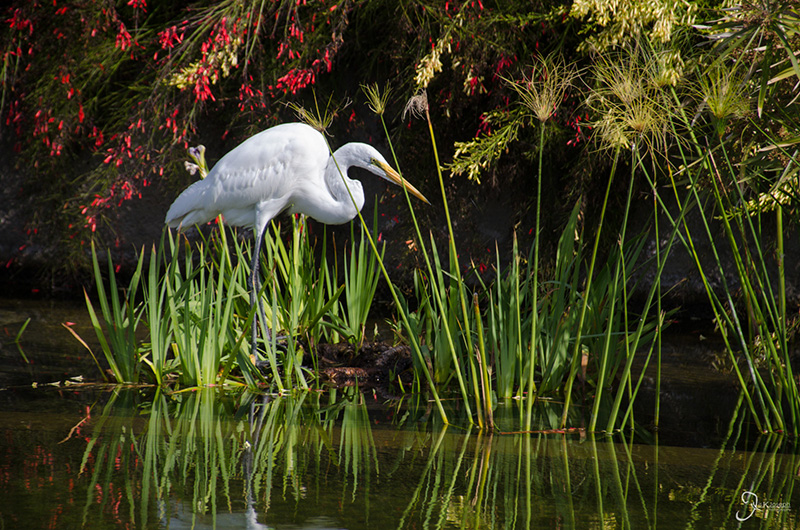
A male mandarin duck. Normally found in east asia.